Encourage Farmers Produce Edible Oil, Says Nutrition Experts

He said there should be direct communication between research institutes and farmers for the betterment of lab networks to help farmers, instead of the benefits going to retailers
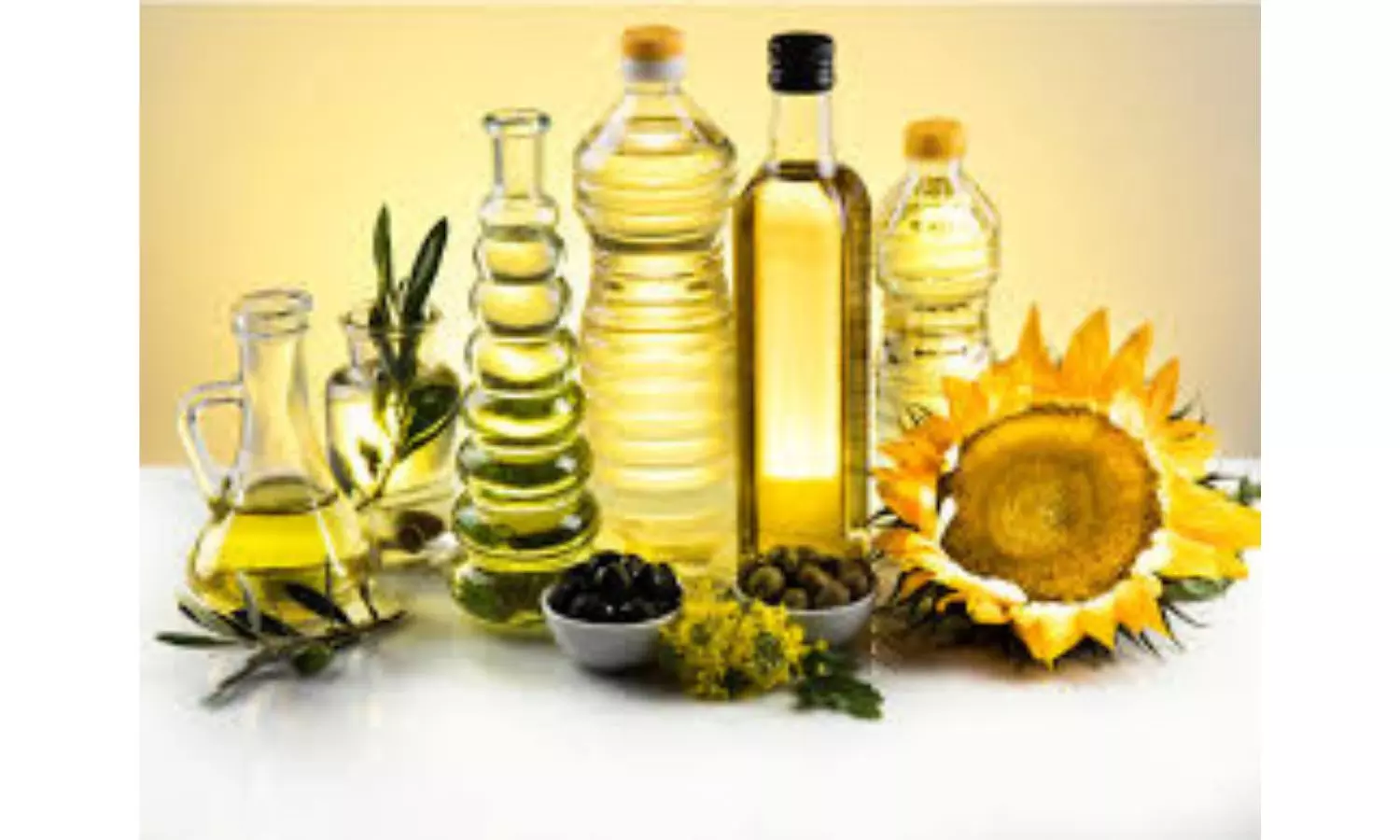
Hyderabad: The government should facilitate small farmers to produce oil on a small scale, allowing them to brand and sell their own products to increase their income, and reduce the country’s dependence on imported edible oil, say WHO experts.
Speaking at a webinar conducted by the Indian Council of Medical Research-National Institute of Nutrition (ICMR – NIN), World NCD Federation president Dr J.S. Thakur said implementing a procurement system for farmers, along with offering better prices for oilseeds, could boost oilseeds production. He said there should be direct communication between research institutes and farmers for the betterment of lab networks to help farmers, instead of the benefits going to retailers.
He also noted that if the government wants to be self-sufficient and grow healthier oils. It must create an enabling environment for the farmers that incentivises the transfer of technology. Including Krishi Vigyan Kendras and agricultural universities all across the country, with the capacity to bridge the gap and require proper guidance from the government as well as experts. The need to revise oil policies to focus more on healthy oil production should be given to achieve self-sufficiency in the country.
Highlighting the importance of edible oils in the webinar, Dr RBN Prasad, former chief scientist, said that edible oils contain different types of fatty acids – Saturated fats (SFA), monounsaturated (MUFA), and polyunsaturated (PUFA).
According to FSSAI and Codex standards, all edible oils must meet specific fatty acid ranges to ensure safety and nutritional balance. Oils such as coconut, palm oil and palm kernel oil are rich in saturated fats. While olive oil, mustard oil, canola oil and high-oleic sunflower oil are rich in monounsaturated fats.
Oils like sunflower, safflower, soybean, corn and cottonseed are high in omega-6 fatty acids. Whereas flaxseed and chia seed oils contain a balance mix of SFA, MUFA and PUFA making them suitable for regular consumption
Dietary fats are important for energy, growth hormones and vitamin absorption, but healthy fat choices are essential. Dr. Angela De Silva, a regional adviser for nutrition and health for development at the World Health Organisation, said Indian diets are often high in unhealthy fats and refined carbs, increasing heart disease risk.
Edible oil consumption is increasing worldwide due to processed and fried food, raising the risk of disease, diabetes, obesity and hypertension, especially in India.
The article was written by N. Shri Ram, a trainee at Deccan Chronicle
