Electricity Bill 2025 May Hike Power Costs for Farmers and Poor

Experts warn cost-based pricing could strain rural and low-income consumers
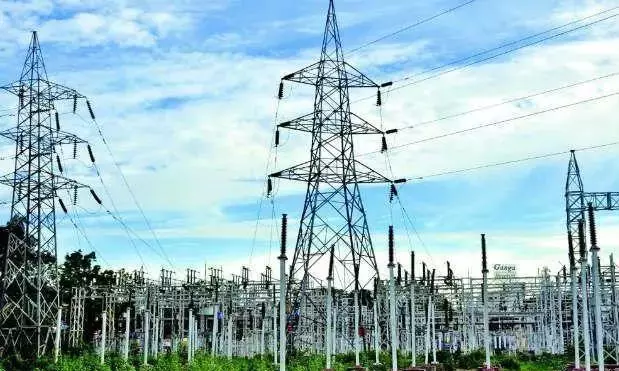
Hyderabad: Sweeping reforms proposed under the Electricity (Amendment) Bill 2025, which include privatisation of power distribution companies, could transform India’s power sector, leading to a major overhaul of power tariff.
The Bill seeks to phase out state-sponsored cross-subsidies within five years, mandating that all categories of consumers — including agricultural and domestic users — pay tariffs that fully reflect the cost of supply. The move, however, analysts caution, could raise electricity costs for farmers and economically weaker sections, who have long depended on subsidised power.
Experts estimate that farmers operating five-horsepower pumps may face monthly bills of around Rs 12,000, nearly five times current expenses. Similarly, low-income households could see tariffs rise to Rs 6-Rs 8 per unit, raising concerns about affordability and household budgets.
Instead of subsidised rates, the new power Bill proposes to provide direct benefit transfers (DBTs) to eligible consumers. However, experts express doubts over whether such transfers will keep pace with rising costs and administrative complexity.
The draft Bill was released by the Union Power Ministry on October 9, and was opened for public comments and suggestions. The government is expected to introduce the final version in Parliament after the consultation period ends and revisions are made based on stakeholder feedback.
In Telangana, where free power for agriculture has been a flagship welfare measure, the implications could be far-reaching. Former Transco chief engineer Ramesh Reddy noted, “The new Bill’s drive for market-based tariffs will test the capacity of rural and small-town families to afford reliable electricity. Policymakers must consider local realities and ensure the transition remains fair and sustainable for all sections.”
The analysts also warn that the move toward cost-reflective pricing and the withdrawal of cross-subsidies could place additional financial pressure on farming and low-income communities.
