El Niño Threat Prompts Telangana To Redraw Plans Across Sectors

Experts warn prolonged dry spells could hit crops
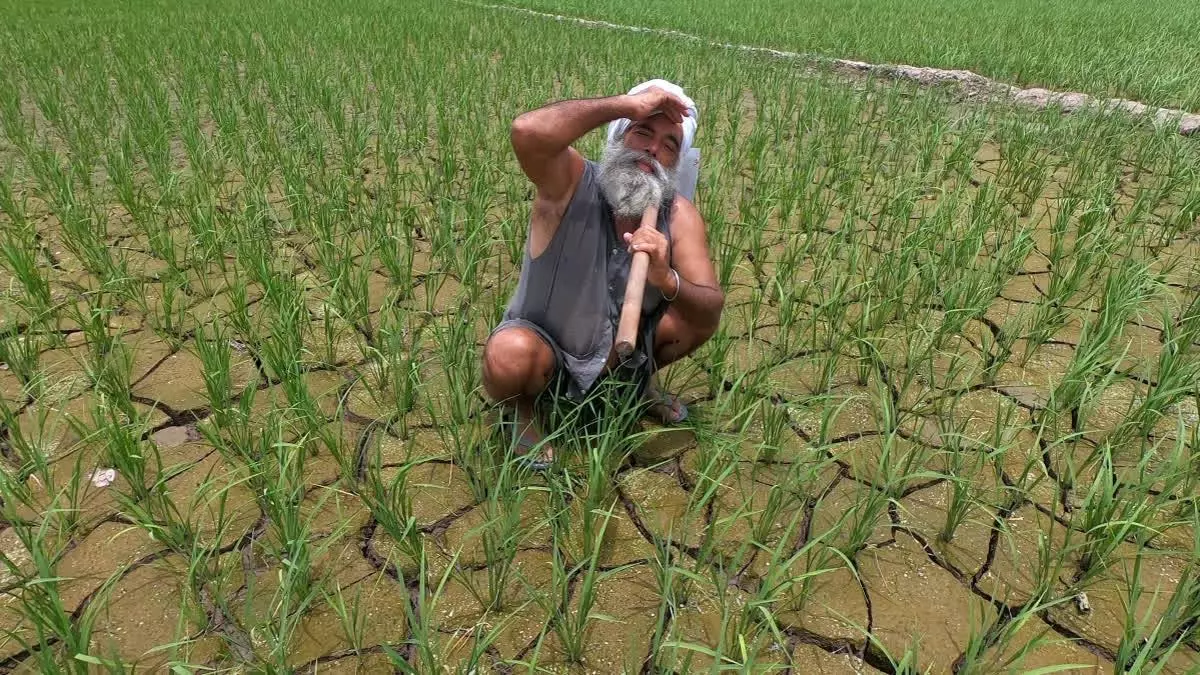
Hyderabad: With El Nino, warming of the Pacific Ocean waters that affects the Indian monsoon, expected to intensify over the coming months, experts have called for Telangana to shift from crisis response to advance planning, warning that the phenomenon will affect not only agriculture but also water resources, livelihoods, power, food security and public welfare.
Central Research Institute for Dryland Agriculture (CRIDA) director Vinod Kumar Singh said continuous monitoring of rainfall, soil moisture and vegetation, timely advisories, district-specific contingency plans and input mobilisation would be critical in reducing losses. Referring to the current monsoon, he said prolonged dry spells in parts of southern Telangana had already begun affecting standing cotton crops.
Singh also recommended delayed sowing where necessary, adoption of short-duration and drought-tolerant crops, intercropping, soil moisture conservation and scientific nutrient management.
Professor Jeena T Srinivasan of the Centre for Economic and Social Studies said El Niño should not be viewed only as a weather phenomenon, as its consequences extend across the economy and society. “It is a socio-economic challenge that affects livelihoods, food security, migration and inequality, making early intervention essential,” she said.
She warned that lower farm incomes, reduced rural employment, rising food, fodder, water and energy costs and migration could disproportionately affect small and marginal farmers, tenant cultivators, agricultural labourers, livestock rearers, fishers, women, children and low-income urban households.
Prof. Srinivasan said preparedness must include livelihood protection and stronger social safety nets alongside climate adaptation. She also called for monitoring food stocks, market arrivals and prices while strengthening the public distribution system, school meal programme and Anganwadi nutrition services to protect vulnerable families during prolonged dry conditions.
B. Venkateswara Rao, former professor of water resources at JNTU, said recurring droughts and floods underscored the need for a long-term overhaul of water management. He advocated greater investment in rainwater harvesting, groundwater recharge, farm ponds, storage structures and micro irrigation.
Scientists from the Indian National Centre for Ocean Information Services (INCOIS) said reduced monsoon rainfall could lower water availability for agriculture, drinking water and hydropower while increasing pressure on food prices and rural incomes. They recommended prioritising reservoir water for drinking needs, strengthening groundwater recharge, planning electricity generation in anticipation of lower hydropower availability and promoting long-term water conservation. They also warned that warmer ocean conditions could reduce marine fish productivity and affect fisheries-dependent livelihoods.
Officials from the agriculture and horticulture departments said district-wise contingency plans had been prepared and measures were being intensified to strengthen weather-based advisories, ensure seed availability, promote drip irrigation, mulching and climate-resilient cultivation, encourage crop diversification and drought-tolerant varieties, and step up pest surveillance and farmer awareness campaigns.
