Early Cotton Sowing Hits Farmers As Poor Germination Forces Re-Sowing in Adilabad

Many who sowed the crop over large acreages have suffered losses as the anticipated monsoon rains failed to materialise.
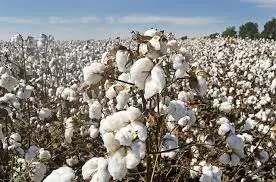
Adilabad: Cotton farmers in the erstwhile Adilabad district are re-sowing crops after poor germination of seeds sown during the first week of June, following inadequate rainfall and insufficient soil moisture.
Farmers said they purchased cotton seed packets at around Rs 800 each and incurred additional expenditure on labour. Many who sowed the crop over large acreages have suffered losses as the anticipated monsoon rains failed to materialise.
Agriculture officials said cotton, red gram and soybean have been taken up during the current kharif season. However, early-sown cotton seeds did not germinate in several areas despite one or two spells of rain. Farmers are now either re-sowing or filling gaps in their fields.
According to unofficial estimates, cotton has so far been sown in nearly 60 per cent of the normal cultivation area in Adilabad district. Cotton was cultivated on about 4.30 lakh acres in the district last year.
Farmer Marsakola Sarangarao of Mamidiguda village in Adilabad Rural mandal said he sowed cotton on 18 acres on June 5 using 20 seed packets, but the absence of rains affected germination. “I spent Rs 30,000 on sowing cotton in 18 acres,” he said.
Sarangarao said he had expected rains after sowing and acknowledged that the decision had proved costly.
District agriculture officer Ravinder Singh said cotton had been sown on 1.60 lakh acres so far against the normal kharif target of 4 lakh acres in the district. The early-sown seeds were expected to germinate following the rain in the district from Tuesday.
Meanwhile, some farmers are attempting to save the crop by providing irrigation through sprinklers and drip systems. Madhukar, from Ankoli village, said he had sown cotton on five acres and was using sprinkler and drip irrigation to protect the crop. He expressed hope that the recent rains would support crop growth.