Draft Electoral Rolls May Trigger Crore Notices

Legal experts cautioned that even if names get published in draft rolls, there always remains a chance that votes may get deleted.
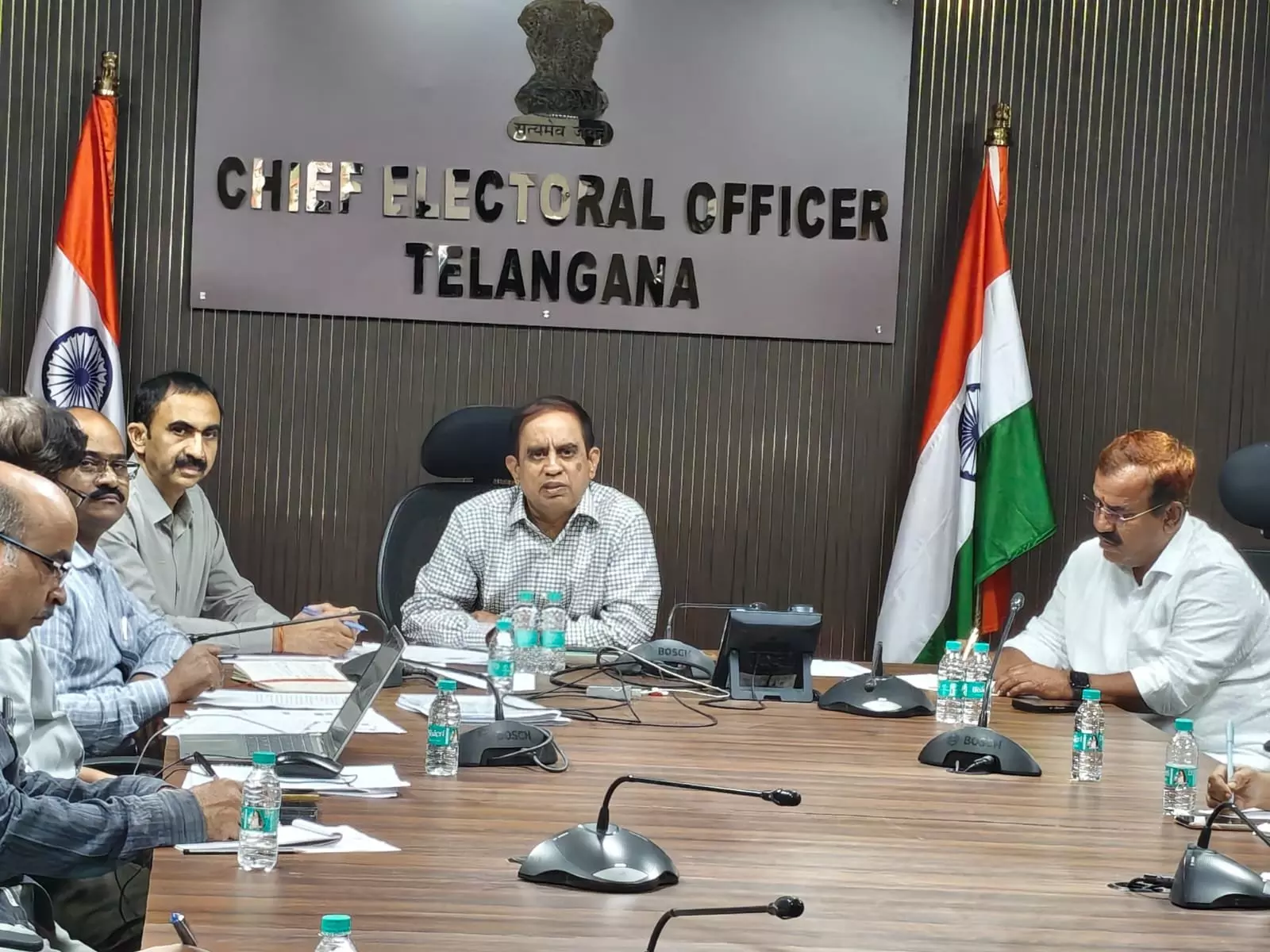
Hyderabad:With less than a fortnight for publication of the draft electoral rolls, which also kickstarts the period of claims and objections, besides the notice period, close to a crore voters, despite having their names in the draft rolls, are likely to get notices.
Legal experts cautioned that even if names get published in draft rolls, there always remains a chance that votes may get deleted. It should not be assumed that voters who find their names in draft rolls will make it.
“In Andhra Pradesh, where the draft roll has been published, we found that people were relaxed in the misconception that they had already made it through. During our legal team’s visit we explained how different categories will get notices at different levels,” said High Court advocate Mohammed Waseem, who returned after touring parts of AP after conducting an SIR awareness campaign.
Apart from ‘unmapped voters’, those who failed to mention their or their relatives’ details in the Enumeration Form and those with 2002 SIR details containing anomalies are likely to get notices. By the latest count, anomalies have already crossed 62.5 lakh in Telangana, with Hyderabad, which is yet to cross 60 per cent digitisation, recording over 6 lakh anomalies.
As per the revised schedule of SIR, the last date for submission of Enumeration Forms is August 10, while the draft electoral rolls will be published on August 17. This will also kickstart the period of claims and objections, disposal of claims and objections (notice period), which will conclude on October 15.
Meanwhile, on Monday, Chief Electoral Officer (CEO) C. Sudarshan Reddy directed officials to ensure accurate data entry by rectifying errors — such as missing photographs, discrepancies in dates of birth, mistakes in gender details and signature issues — to improve the quality of digitisation of enumeration forms as part of the ongoing SIR programme.
During a video conference, the CEO emphasised accurate data entry, specifically focusing on re‑verification and analysis of ASDD (Absent, Shifted, Dead, Duplicate) voter lists and “No Mapping” cases. He directed officials to thoroughly scrutinise and reviewed progress made in GHMC limits. After inquiring about their action plans for resolving issues such as “No Mapping” cases, ASDD cases, inconsistencies, uncollected enumeration forms and other pending matters, the CEO directed them to ensure preparation of an error‑free electoral roll.
The Election Commission of India has suggested the following supportive documents may be provided by electors:
1. Identity card/Pension Payment Order issued to a regular pensioner of any Central/state govt./PSU
2. Identity card/certificate/document issued in India by Govt./local authorities/Banks/Post Office/LIC/PSUs prior to 01.07.1987
3. Birth certificate issued by competent authority
4. Passport
5. Matriculation/Educational certificate issued by recognised Boards/Universities
6. Permanent residence certificate issued by competent state authority
7. Forest Right Certificate
8. OBC/SC/ST or caste certificate issued by competent authority
9. National Register of Citizens (wherever it exists)
10. Family Register prepared by State/local authorities
11. Land/house allotment certificate by Govt.
12. Aadhaar, as per Commission’s directions issued vide letter No.23/2025‑ERS/Vol.II dated 09.09.2025 (Annexure II)
