The donated skin is harvested from the legs, thighs and back, after which the body is properly dressed without affecting funeral or religious rituals.
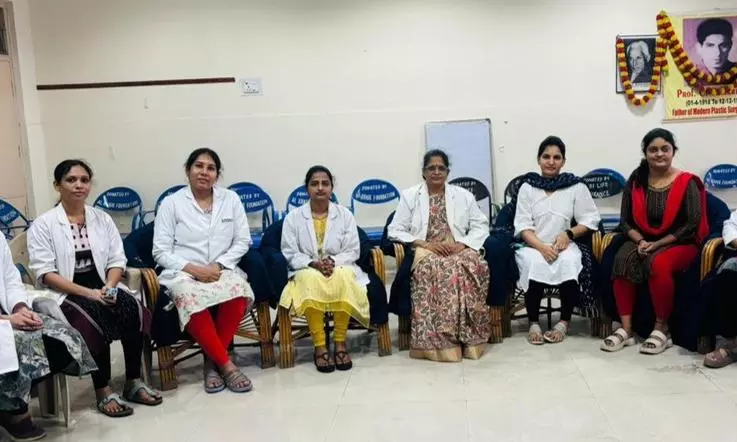
HYDERABAD: Doctors at Osmania General Hospital’s Osmania‑Hetero RCHE Skin Bank said ahead of World Skin Day on Wednesday that the facility currently has around 10,000 sq cm of preserved skin in storage and has distributed 50 donations, benefiting nearly 100 patients.
They called for greater public awareness, noting that misconceptions continue to limit donations despite their life‑saving benefits for burn victims.
Dr P. Lakshmi, Head of Burns, Plastic Reconstructive and Cosmetic Surgery at OGH, said most donations come from brain‑dead and natural death donors. “To create more awareness and dispel myths, we will collaborate with eye donation programmes. Skin donation is already included on the Jeevandan website, and NGOs and transplant coordinators are supporting the initiative,” she said.
Skin can be donated within six hours of death, or within 24 hours if the body is preserved in an ice box. The retrieval team can reach locations within a 20‑km radius at any time with the required equipment.
The donated skin is harvested from the legs, thighs and back, after which the body is properly dressed without affecting funeral or religious rituals. Blood samples are tested for HIV, Hepatitis B and other infections, while doctors also screen for skin diseases. The skin undergoes a three‑stage preservation process, including bacterial and fungal testing, and can be stored for up to five years.
Major indications for grafting include extensive skin loss due to burns, trauma, infections and chemical injuries. Burns involving more than 25 per cent of the body surface in adults and more than 10 per cent in children are life‑threatening, making timely grafting crucial, Dr Lakshmi said.
Preserved skin has helped treat injuries ranging from 10 per cent burns in children to 75 per cent in adults. At present, skin preserved at the Osmania‑Hetero RCHE Skin Bank is used free of cost for burn patients admitted to OGH. The Plastic and Burn Surgery team provides 24×7 emergency services.
Doctors said grafts reduce pain, prevent infections, minimise scarring and improve survival chances. People with HIV, Hepatitis B, skin infections, skin cancer, or deaths due to poisoning or major infections are not eligible to donate. Anyone aged 18 and above can pledge to donate skin.
How much skin is harvested from a cadaver depends on the build of the individual and age. The body of an 18-year-old could yield up to 2,500 sq. cm of skin. Doctors said skin had been collected from 50 bodies, and donations from 30 had been used for 100 individuals. For every one donation, three to five children can be saved, a doctor said.

