At the primary health centre (PHC) in Kannaigudem, Mulugu district, Dr Abhinav Bagavathula serves over 21,000 people, primarily from the Guthikoya community who migrated from Chhattisgarh.
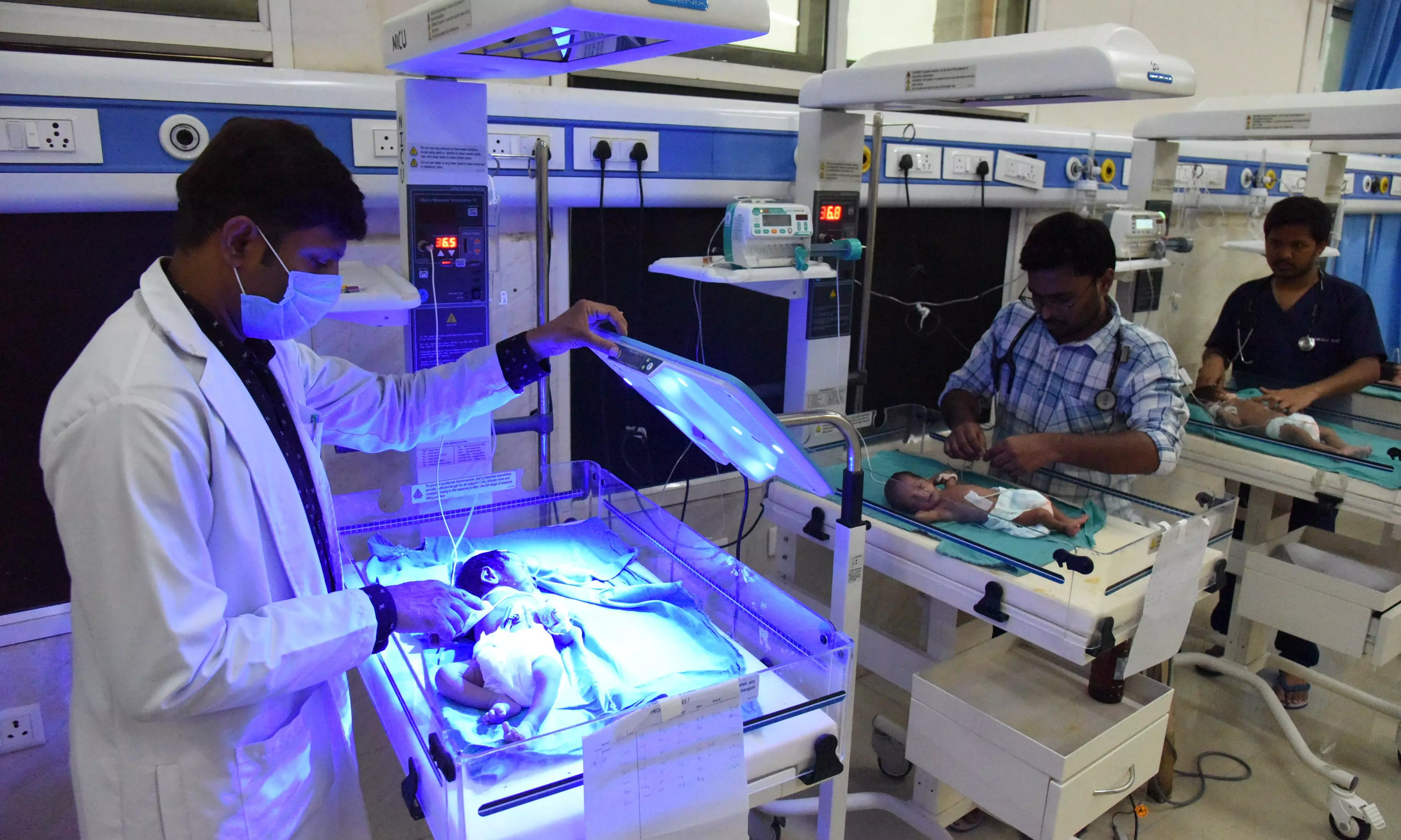
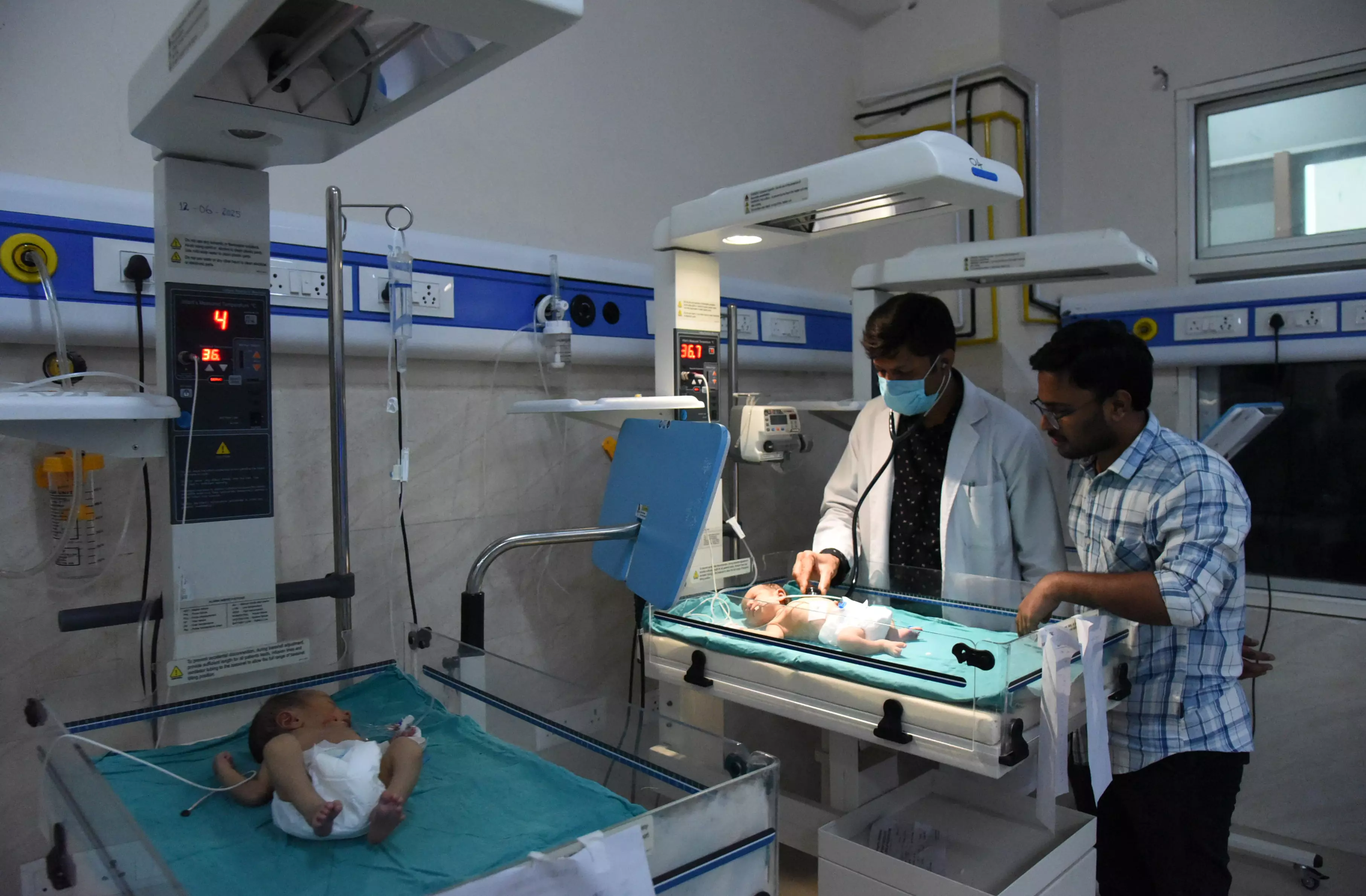
Hyderabad: From navigating treacherous terrain to managing in the absence of basic infrastructure, doctors serving in remote and tribal areas of Telangana rely heavily on personal grit. On Doctor’s Day, observed on July 1, several of them shared stories of working under immense hardship—often with little to no institutional support.
At the primary health centre (PHC) in Kannaigudem, Mulugu district, Dr Abhinav Bagavathula serves over 21,000 people, primarily from the Guthikoya community who migrated from Chhattisgarh. “Transportation is our biggest challenge. There is no government vehicle to reach interior hamlets. We use our own two-wheelers to visit patients,” he said.
Connectivity remains erratic. During monsoon, floods cut off entire villages. “Last year, Ilapur lost access to its nearest sub-centre. Kondai was submerged overnight,” he recalled. In such situations, ASHA workers help shift pregnant women and critically ill patients to safer areas.
To cope with monsoon isolation, the PHC operates a mobile container sub-centre—a van equipped with beds, essential drugs and basic medical equipment. “It’s our only option when roads are completely washed out,” Dr Bagavathula said. Language adds to the complexity. “Most patients speak tribal dialects, and we often need village heads to interpret,” he added.
In Mangapet mandal, also in Mulugu, Dr Nikhil Chetan juggles OPD duties with field visits spread across 30 km. With no staff quarters, he commutes daily from a rented room. “Public transport is sparse and costly for locals. We organise regular medical camps in the villages,” he said.
Emergency response is a persistent worry. “There are just three ambulances in the area. Two years ago, a lightning strike injured seven farmers—it was nearly impossible to handle multiple critical cases,” he recalled. “Connectivity, staff shortages and lack of equipment only worsen the crisis,” explained Dr Chetan.
Complications multiply during concurrent pregnancies, premature deliveries or when caesareans are needed. “In such cases, we either manage with what we have or refer them to community health centres,” he explained. Despite working in high-risk zones and exposure to infectious diseases, doctors like Nikhil receive no extra incentives. “There’s no risk allowance for such postings,” he noted.
In Adilabad, language barriers are severe. “Most patients speak Marathi, while doctors speak Telugu,” said Dr Anvesh, a resident at RIMS Adilabad. “We depend on attendants or other patients to interpret, often resulting in serious miscommunication about symptoms and history.”
This has led to tensions and even violence. “RIMS handles nearly 1,000 patients a day. Attendees often become emotional or aggressive, especially when communication errors affect care. Many patients are daily wagers who can’t return for follow-ups, especially in long-term treatments like TB,” he said.
Accommodation is another concern. “Women doctors feel unsafe in hostels. There have been intruder incidents. Doctors from the North East also struggle to find suitable housing,” he added.
These challenges go beyond infrastructure and safety. There’s little financial motivation. “Doctors in districts earn around `30,000 less than those in Hyderabad. There’s no travel allowance, no housing and often no proper schools for our children,” said Dr Kiran Madala, president of the Telangana Teaching Government Doctors Association (TTGDA).
“The government has done little to make rural service appealing. Of every 100 doctors, maybe five or six are willing to work in these areas—and even they get no support or fair compensation,” he said. “Many continue to serve out of commitment and compassion, but how long can they be expected to carry on without meaningful incentives,” he questioned.

