Degree is No Longer a Passport for Life, it's a Short-term Visa: France’s Ex-minister

“We learn, work, learn, work, all through our lives. That’s the new game,” Muriel Pénicaud said with a beaming smile on her face.
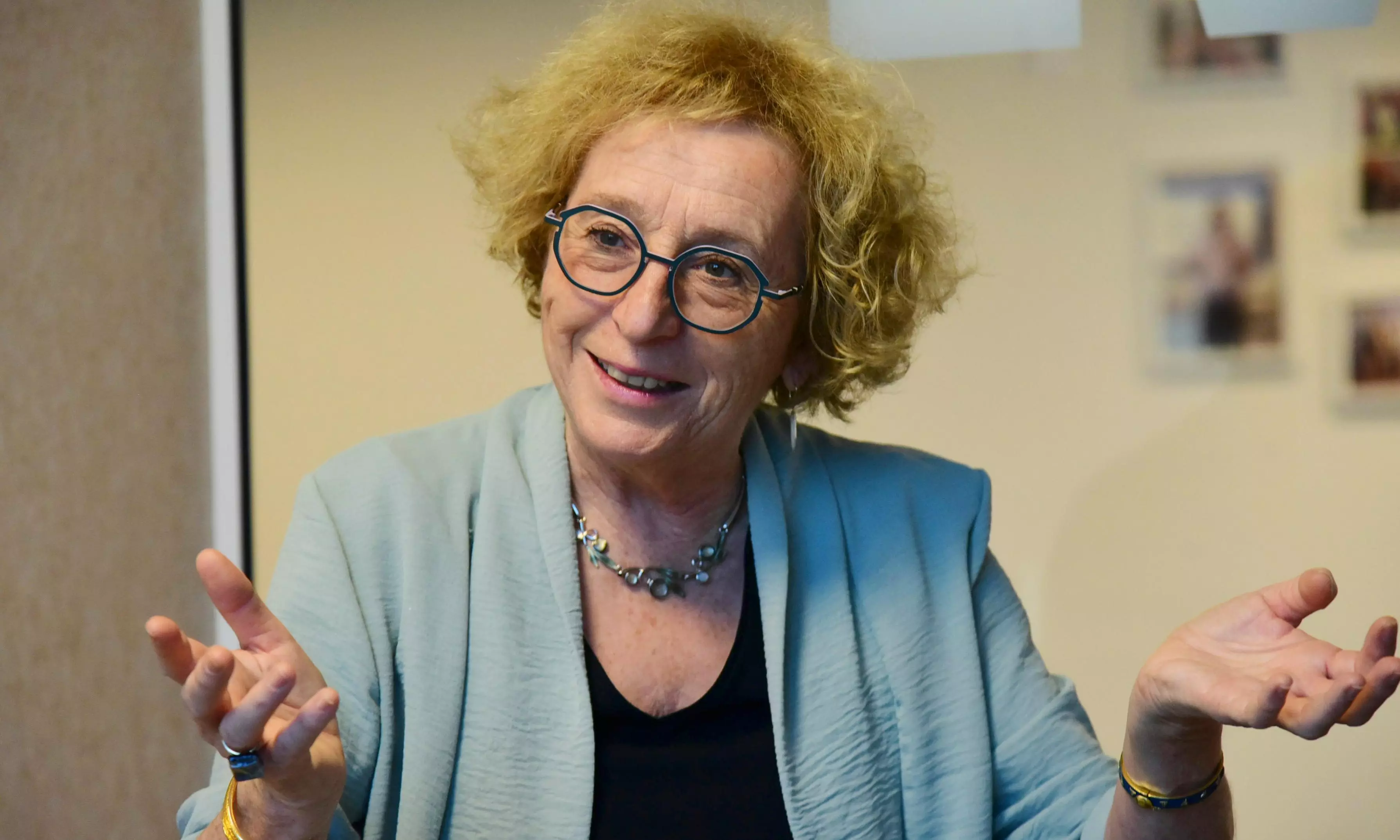
Hyderabad: The green transition and AI will, together, require new skills on a scale no country has ever dealt with. “Companies can’t do it alone and governments can’t do it alone. We need both to work together and invent faster, more effective ways to learn.” So says France’s former Labour Minister, Muriel Pénicaud
Governments and companies, she said, cannot pass the upskilling burden on to each other.
“India’s new labour codes have brought gig and platform work into labour law for the first time. This is just as AI shrinks the shelf-life of a degree from decades to a couple of years and cities like Hyderabad watch gig workers strike for basic protections,” she stated here in an interview to Deccan Chronicle.
“University degree is no longer a passport for life, it’s a short-term visa,” Muriel Pénicaud noted on Monday.
“We learn, work, learn, work, all through our lives. That’s the new game,” she said with a beaming smile on her face.
Muriel Pénicaud noted, “Earlier, what you did at universities was valid for, say, 30 years. Today, they stay with you for, say, two years. Companies that think they can hire-fire-rehire at will won’t find talent. People will go where they can learn new things and build a new future.”
Pénicaud is in the city at the invitation of Alliance Française Hyderabad for a lecture on the future of work, held at the Bower School of Entrepreneurship.
For the Indian Photo Festival, she’s exhibiting her black-and-white photographs, a side of her that “not many have seen.”
“This is my third visit to Hyderabad,” she said, adding, “I came here first as the deputy CEO of Dassault Systèms. We had a strong tech team here. I landed here another time to view the Naandi Foundation’s work on women, girls and rural development. This time I’m here as a photographer.”
“Social protection is not a luxury but a social investment,” the former labour minister said in the context of the unveiling of new labour laws by the central government.
Her comments come days after the government notified four long-pending labour codes on wages, industrial relations, social security and occupational safety, she noted that these codes formally list gig and platform workers for social security.
Telangana is drafting its own law, with a bill on ‘registration and welfare’, which was placed before the cabinet earlier this month, while Hyderabad has already seen app-based workers strike over pay and conditions.
“Lack of access to health and social security invovles a huge cost for a country,” she noted, adding, “Investing in health and education enriches a nation,” the former labour minister said.
Her wisdom comes from a blend of corporate and political experiences. As global HR head at Danone, she pushed for basic healthcare for all its 100,000 workers, including those in countries without public safety systems. “Seventy per cent of our people had no social protection,” she noted.
Muriel Pénicaud recalled, “We created a proper healthcare system for everyone. When we measured the cost later, we realised we were not losing, but saving, money. The accidents at work dropped by two, the absenteeism dropped by two, the level of engagement rose by several points. My competitors were furious because all the people wanted to come to our company. Finally, it was proven to be a social investment.”
As labour minister in France, she led reforms on the labour code, apprenticeships, gender equality and lifelong training. “More formal jobs mean more security and purchasing power, that helps growth,” she said, adding, “Informal work is 90 per cent of jobs and half the GDP, and much of it is women.”
“Only about 40 per cent of women here are in formal jobs. In many countries it’s 60–70. IMF and World Bank say equal pay and equal careers would mean 16 per cent more GDP. So equality is justice, and it’s also growth. It helps everyone.”
She also spoke on the larger concern about education systems that chase the next “hot” skill instead of rooting children in traits that AI cannot copy.
“Our brains are made of three parts. The analytical part that AI will copy, improve, sometimes replace. The second is the creative and emotional part. AI can pretend to copy it, but they don’t create, they don’t love. AI has no imagination, but we have imagination. That’s the power of humans. The third is practical knowledge. Craftsmen and manual jobs will remain, which is why knowing how to work with your hands matters.”
