Decision Paralysis Drives Surge In Tele-MANAS Calls

"Life is a series of decisions. But for some, making even small decisions feels harder than climbing Mount Everest. This behaviour is called decision paralysis”: Senior psychologist Jawaharlal Nehru. P
HYDERABAD: Even taking small decisions is becoming a Herculean task for a growing number of people in the state. A range of people, from students and youngsters to adults and middle-aged people, are now seeking assistance from the mental health support helpline to make their day-to-day and life’s big decisions.
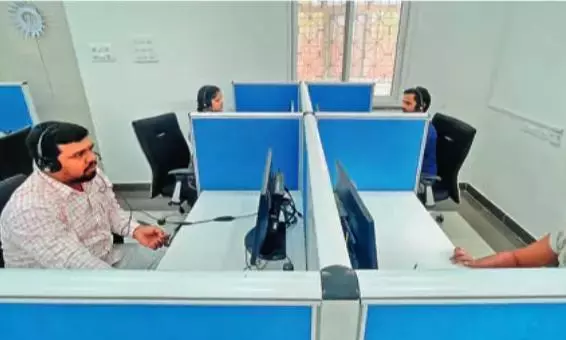
Telemanas, a 24/7 mental health support helpline instituted by the Central government, has reported a surge in calls from people suffering from decision paralysis in recent times. The calls range from not being able to complete the syllabus, financial matters, to marital disputes.
In one such case, the helpline received a call from a person in their late 30’s struggling to clear the loan and sought guidance to come out of the issue.
“Life is a series of decisions. But for some, making even small decisions feels harder than climbing Mount Everest. This behaviour is called decision paralysis,” said behaviour analyst and senior psychologist Jawaharlal Nehru. P. According to him, though the problem sounds small, it makes life difficult for some people as their brain works like a search engine with no result in sight.
“Even to buy a simple shirt, some people visit 10 shops or browse a hundred websites, check ratings. No matter what they choose, they have doubts that there might maybe something better that and leaves them dissatisfied. Over time, such people completely lose their self-confidence and see themselves as an incompetent person,” Nehru said.
According to the psychologist, sometimes an individual's brain gets confused when there are too many options (the paradox of choice) to choose from. In modern times, information overload causes the brain to lose the energy needed to make decisions. Whatever is chosen, the fear of missing out (FOMO) on other options haunts the person. This leads to more stress than happiness at every stage. In effect, that person misses many opportunities, which in turn, damages his/her self-confidence and leads to severe anxiety.
“For such individuals, some psychological strategies can be provided, instructing to make small decisions like what to eat or what to wear within two minutes. This helps their brain get used to making decisions. Teaching them to stop searching for the perfect decision and instead adopt a "good enough" mindset, using the 10-10-10 rule. (A framework for decision-making, focusing on long-term impact by asking how a choice will feel in 10 minutes, 10 months, and 10 years),” he said.
