Rising costs, labour unrest and costly loans stall small builders and homebuyers
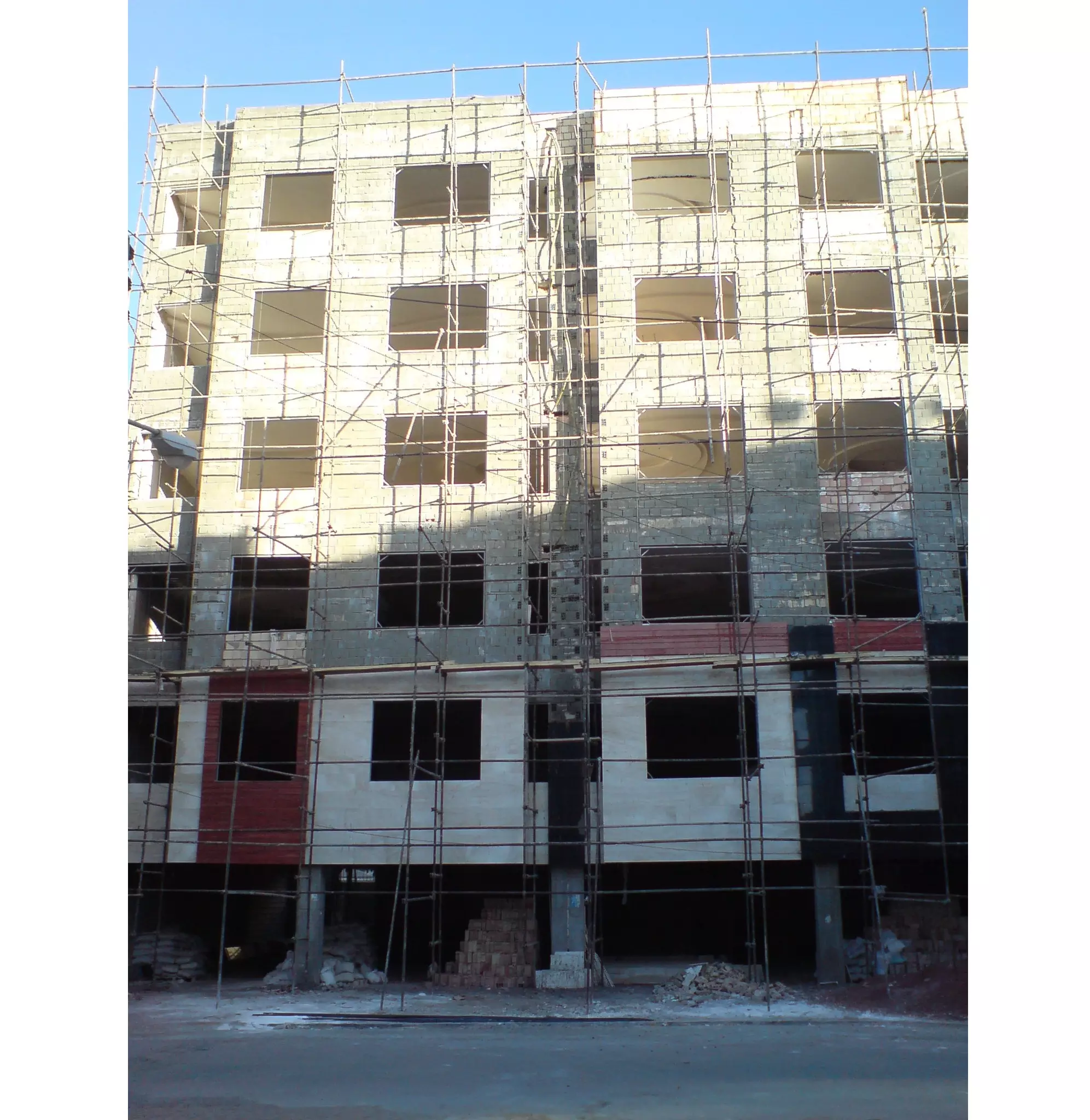
Hyderabad: Hyderabad’s construction market, tracking national trends, has slowed sharply over the past two years, with weakness spreading from large corporate projects to middle-class and individual housing units. Industry data show new completions in Hyderabad fell to 0.6 million square feet in Q1 2026 from 6 million sq ft in Q4 2025, while GHMC’s permit-linked revenue also declined, pointing to a broader chill in activity.
This depletion was driven not only by fewer large-group launches but also by a steep fall in middle-class and individual housing demand, resulting in lower completions.
Individual and small-builder activity for independent houses and small apartment blocks slowed as higher input costs and tougher financing conditions weakened lower-end buyer demand, reportedly leading to fewer new starts that ordinarily come from middle-class purchases and self-build activity.
The slowdown was visible in both supply and demand. A Vestian report said new completions across India fell 36 per cent quarter-on-quarter to 9.7 million sq. ft in Q1 2026.
In Hyderabad, the steep fall in completions indicated that developers had turned cautious, delaying launches and execution even as office leasing remained comparatively resilient. For housing, however, stress was more pronounced in the mid-segment and individual-home market, where buyers are more price-sensitive and financing conditions matter more.
Speaking to Deccan Chronicle, builder and architect K. Srinivasa Rao said the biggest blow was dealt to the middle-class housing segment, which traditionally drives small apartment projects, plotted development and independent house construction. In recent years, builders have shifted toward premium projects, leaving fewer affordable options for salaried buyers and self-build households.
That shift has been compounded by rising property prices and higher borrowing costs, making it harder for middle-income families to commit to new homes. As a result, activity in smaller neighbourhood projects and individual housing slowed, especially in growth corridors and peripheral areas. He admitted his projects were down 40 per cent in the last financial year.
The abnormal hike in prices and union activity by allied groups in the construction sector also came as a bolt from the blue. The Rig Owners Association was the first union to unilaterally announce a 60 per cent increase in borewell drilling prices. Against the existing Rs 50 per foot for drilling up to the first 100 feet, the association raised the rate to Rs 80 for 6.5-inch borewell drilling.
Similar hikes were announced: Rs 100 per foot from 101 to 200 feet, Rs 130 from 201 to 300 feet and Rs 170 per foot from 301 to 400 feet. “This steep jump has dampened my spirit to dig a bore well before construction of a new house in place of an old building,” said Shyam Sunder, a resident of Bachupally, which faces one of the worst underground water tables in the city.
The strike by the Twin Cities Centering Workers Union from May 16 also affected construction activity. All civil works of independent houses and smaller apartments have come to a standstill. The union is demanding an increase in centreing prices from Rs 30–35 per sq. ft to Rs 50, a sudden jump of around 60 per cent. Shuttering contractor M. Eshwar said they had been facing labour problems in centreing works and claimed they were paying Rs 1,200 per day to workers and Rs 1,300 to masons.
Srinivasa Rao blamed the abnormal increase in construction-related rates and the hijacking of the market by technically unqualified persons entering the sector. Many masons with no technical knowledge have become builders, and standards are not being maintained, resulting in either higher project costs or poor building quality.
He demanded that the government ban house construction by unqualified persons and conduct at least a couple of days of training for masons and other workers at the National Academy of Construction in the city, to maintain standards and stop the industry from being hijacked by unskilled persons.