CM Revanth To Visit Medaram On Sept 23 To Review Development Works

He will meet temple priests and tribal representatives to seek their approval before releasing the final designs for development.
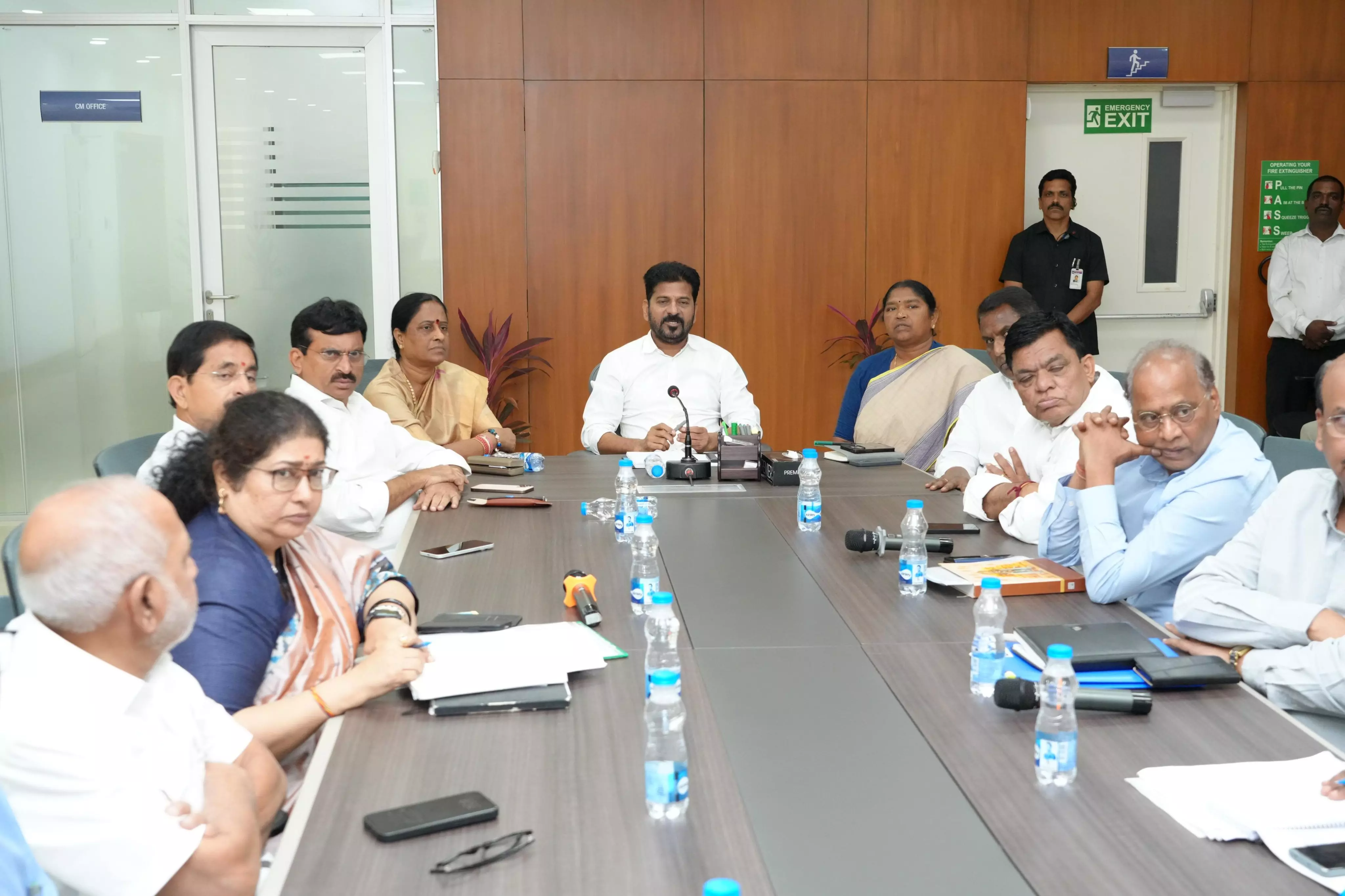
Hyderabad:Chief Minister A. Revanth Reddy will visit Medaram on September 23 to review development works around the historic Sammakka Saralamma temple. He will meet temple priests and tribal representatives to seek their approval before releasing the final designs for development. During a review meeting held at ICCC on Saturday, the Chief Minister directed officials to constitute a technical committee for overseeing Medaram Jatara works and stressed that all measures must align with local traditions.
The government is planning to expand the existing temple premises as requested by the priests, while ensuring that the sacred gaddelu (pedestals) remain untouched. Revanth Reddy said that customs and rituals of the tribal community should be preserved in every step of the project. He instructed officials that the welcome arches should reflect tribal heritage and the surroundings must include native plant species to highlight the region’s identity.
The Chief Minister underlined that Medaram was not only a spiritual centre but also a cultural symbol, drawing lakhs of devotees from across the country during the biennial jatara. He assured that development will enhance pilgrim facilities without disturbing the sanctity of the shrine.
Ministers Ponguleti Srinivas Reddy, Danasari ‘Seethakka’ Anasuya, Konda Surekha, Adluri Laxman, CM’s adviser Vem Narender Reddy, MP Balaram Naik, CM’s Principal secretary Srinivas Raju, endowments principal secretary Shailaja Ramaiyar and senior officials participated in the review.
On September 23, the Chief Minister will be accompanied by cabinet colleagues, tribal MPs, MLAs, MLCs and key officers to Medaram, where he will hold another round of review on site. The visit is expected to mark the launch of the state government’s focused plan to strengthen infrastructure, pilgrim amenities and cultural representation at the temple complex, in harmony with the wishes of the priests and local community.
