C&D Waste Compounds Hyderabad’s Air Pollution

“Dust can trigger severe attacks, causing wheezing and even respiratory failure in some cases.”: Dr M. Rajeev
HYDERABAD: Telangana is producing more construction and demolition (C&D) waste than it can manage. Every day, the state generates about 2,255 metric tonnes (MT) of such waste, and nearly 1,763 MT comes from the Greater Hyderabad area alone.
The government has built four recycling plants in Jeedimetla, Fathullaguda, Shamshabad and Tumukunta. Together, they can process up to 2,000 tonnes of construction waste each day. But the city generates about 2,255 tonnes daily, leaving 255 tonnes unprocessed every day. This extra waste keeps piling up over time. Right now, more than 13 lakh tonnes of waste are sitting at various dump yards, waiting to be processed.
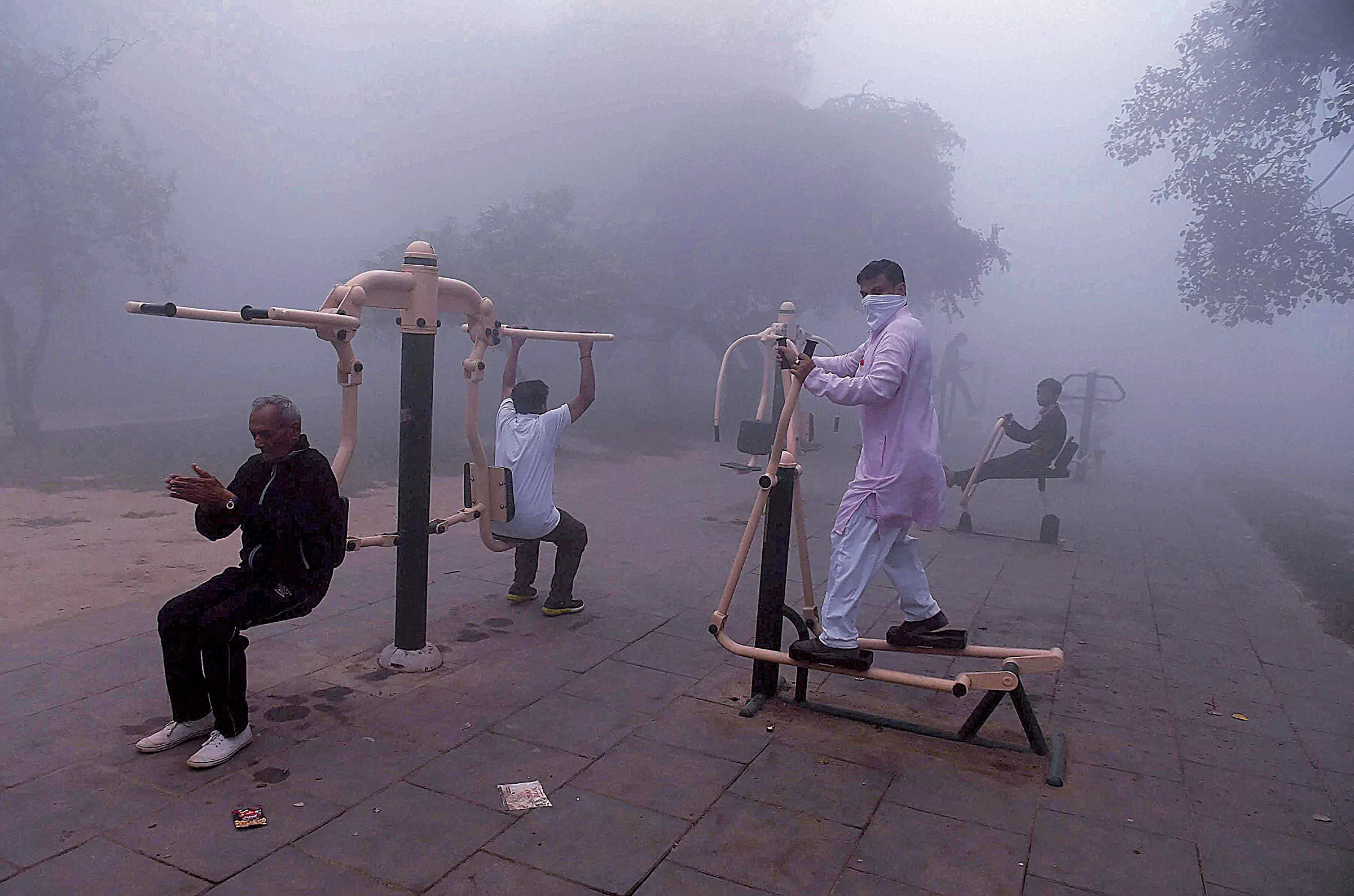
This unprocessed waste is a big problem not just for space, but for health. When construction debris is left uncovered in open areas, it creates a lot of dust, which adds to the city’s air pollution. In busy areas like Gachibowli, Manikonda, LB Nagar, Narsingi, Kokapet and Secunderabad the dust from C&D waste makes it hard to breathe, especially for children, the elderly, and those with asthma.
Dr M. Rajeev, a senior pulmonologist and member of Telangana State Medical Council, said that this dust is dangerous to human health. “When people inhale fine dust particles, it irritates the lungs and airways, leading to cough, breathing problems and in some cases, long-term lung diseases,” he explained. For asthma and chronic obstructive pulmonary disease (COPD) patients, the situation is even worse. “Dust can trigger severe attacks, causing wheezing and even respiratory failure in some cases.”
The recycled waste, when processed properly, can be used for useful things like making road bases, paving blocks and landscaping in parks. But until more waste is recycled, the pollution problem is likely to get worse. Dr Prasanna Kumar from the Telangana Pollution Control Board explained that a large part of the problem is poor handling of the waste. “Construction rubble is being dumped in water bodies and open lands. The government has plans to track waste with GPS and move it in trucks daily, but right now, the system is weak,” he said.
“It’s heartbreaking to see our skies lost to dust and greenery buried under debris. When even our children struggle to breathe, it’s time for action. We need strict rules, awareness, and proper facilities to manage construction waste because true development should never come at the cost of our health or our planet.” said Kasturi Muragesh, a social media consultant.
To fix this, the Telangana government plans to make segregation of waste at construction sites mandatory, use GPS to track trucks and set daily targets for waste collection in every urban area. Officials say they will also appoint special officers in each zone to track progress.
Babu Rao, environmentalist at Scientists for People added that the problem runs deeper. “There is no proper planning in how this city is developing. As a result, people are exposed to this pollution daily. Even during transportation, dust spreads because most trucks are open and not covered properly. Tall buildings, heat, traffic…everything's adding up. We are only focusing on shining lights and skyscrapers, but ignoring the damage to our environment and public health.”
A senior official from the Greater Hyderabad Municipal Corporation (GHMC), who wished not to be named, explained that the city began systematic C&D waste collection in 2018, following the 2016 C&D Waste Management Rules. “It took two years for the first recycling plant at Jeedimetla to become operational in 2020, and another year for the Patancheru plant,” the official said.
To prevent illegal dumping, GHMC has created 12 secondary collection points across the city where small players can legally dump waste for a fee. However, private truck operators often avoid these fees and dump waste in unauthorised locations. "Many of these dumps, like the one near IKEA, are on private or disputed lands. Enforcement is difficult, especially when the landowners remain unknown or uncooperative," the official said.
Despite awareness campaigns, the official acknowledged that the private sector dominates the waste transport network, making regulation challenging. GHMC has been penalising violators, confiscating trucks and using GPS trackers on authorised vehicles.
