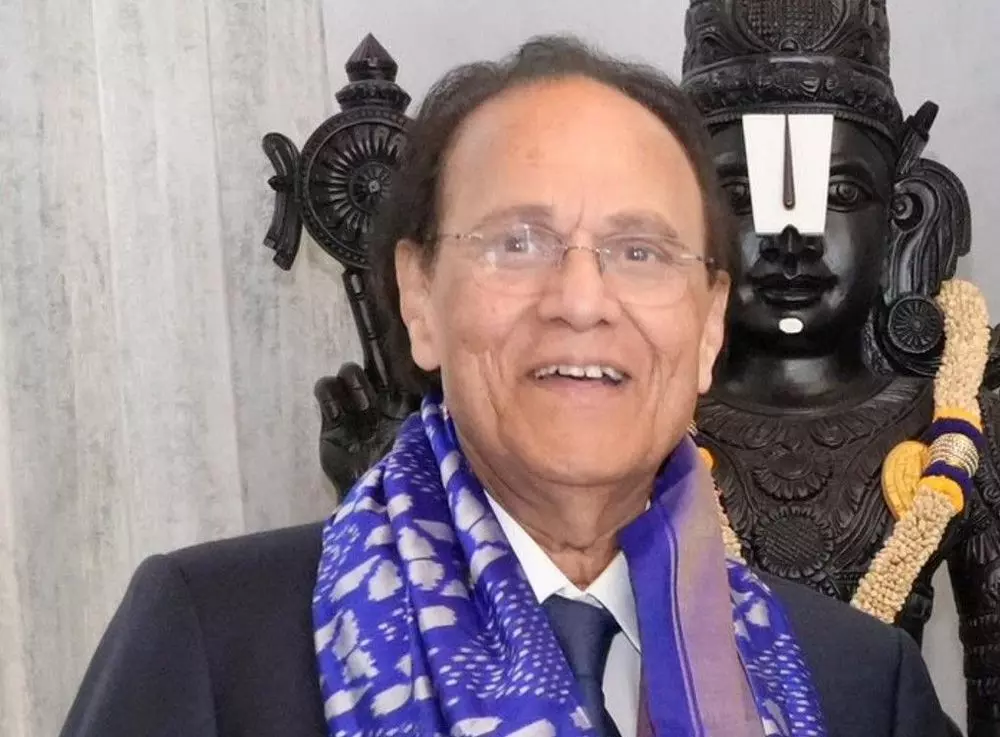
The data was revealed in the ‘Cancer Atlas of Telangana’ study submitted by cancer specialist Dr Nori Dattatreyudu.
Hyderabad: Telangana has witnessed a sharp rise in cancer patients and treatment expenditure over the past five years, with the number of treated patients increasing from 15,635 in 2020–21 to 29,091 in 2022–23. Cancer care spending under the Aarogyasri scheme surged from nearly ₹89.03 crore to ₹179.29 crore, reaching around ₹262.98 crore in 2024–25.
The data was revealed in the ‘Cancer Atlas of Telangana’ study submitted by cancer specialist Dr Nori Dattatreyudu.
The report noted that new cancer patients rose significantly between 2020–21 and 2022–23, peaking in 2022–23. The total number of patients treated also climbed sharply, reflecting the growing burden on the healthcare system.
According to the study, which analysed data from the government-run Rajiv Aarogyasri Health Care Trust, the steady rise in old patients continuing treatment suggests improved longevity and survival, with many undergoing therapy over multiple years.
Stem cell transplantation cases increased from around 14 patients in 2020–21 to nearly 94 in 2024–25, while expenditure rose from about ₹0.76 crore to ₹4.88 crore. The report said this reflects improved access to advanced treatment and government support.
Cancer incidence and prevalence rates peaked in 2022–23, reaching 66.29 and 83.50 per one lakh population respectively. However, the report cautioned against interpreting the apparent decline in 2025–26 as an actual reduction, since figures currently cover only partial-year data till September 2025.
The analysis further showed that most patients undergoing Surgical, Medical and Radiation Oncology treatment are treated in private hospitals. Nearly 64.9 per cent of Radiation Oncology cases were handled in private facilities. Medical Oncology, including chemotherapy and targeted therapy, recorded the highest patient volume at 74,701 cases.
All organ transplant and stem cell transplant procedures, however, were carried out in government hospitals, underlining the role of public institutions in providing highly specialised cancer care.
The report also found that cancer surgery expenditure follows a right-skewed pattern, with most surgeries remaining relatively low-cost while a small number of highly complex procedures account for extremely high spending.

