Butterfly, Moth Survey in Eturnagaram Sanctuary
Butterflies and moths are extremely sensitive creatures responding to the slightest of changes in temperature and moisture.
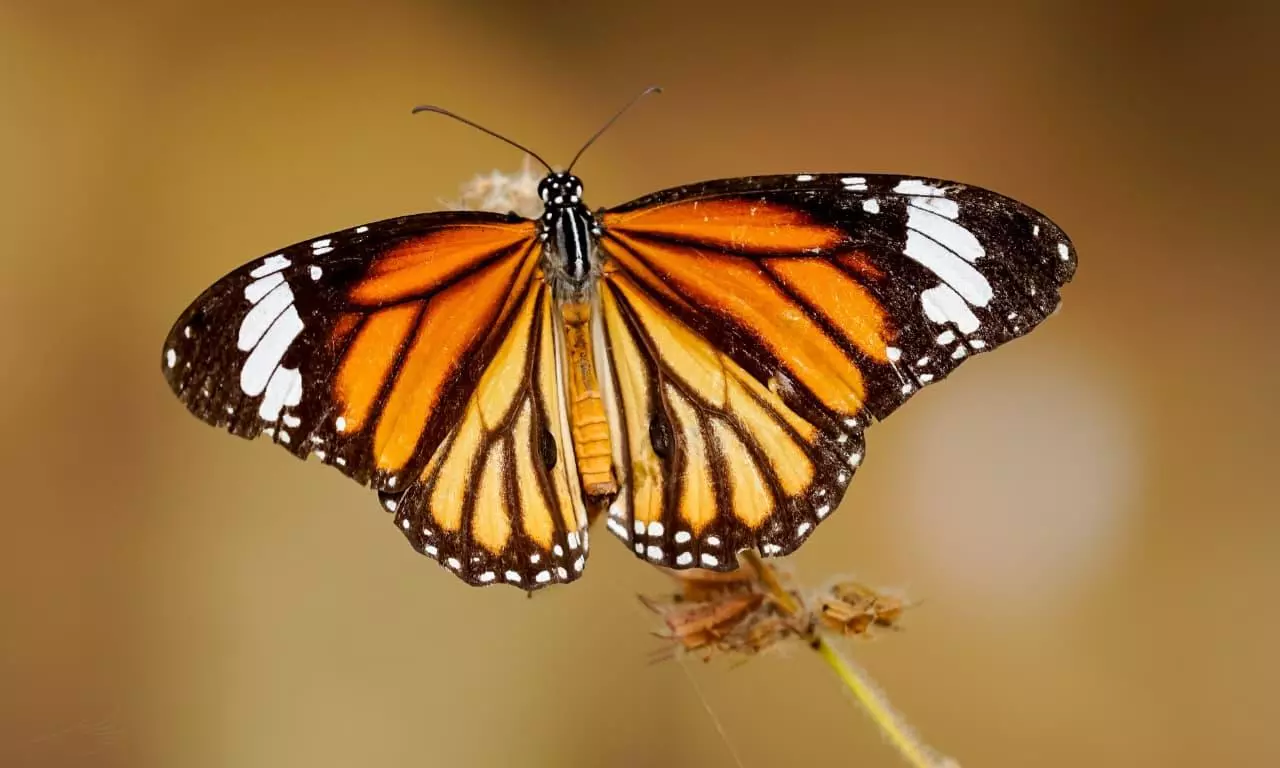
Hyderabad: What to do when getting close to a Striped Tiger? Or came across a Monkey Puzzle that required no solving?
For the around a 100 volunteers who are all set to hit the trails in the Eturnagaram Wildlife Sanctuary in Mulugu district starting Thursday in the first ever large-scale survey of butterflies and moths in a protected area in Telangana, the answer is take pictures, count how many Striped Tigers, or Monkey Puzzle butterflies can be seen at a spot, and continue on their designated trails inside the forest in search of more of these insects.
And keeping them company, at least in an image form, is a sprightly mascot designed specially for the butterfly and moth survey. “The Indian Gaur is the flagship species of Eturnagaram sanctuary, and the mascot can be seen taking part in the butterfly survey,” Mulugu district forest officer Rahul Jadhav told Deccan Chronicle.
“Butterflies and moths are extremely sensitive creatures responding to the slightest of changes in temperature and moisture. Their presence or absence is a very good indicator of the health of the ecosystem, and can help in understanding factors that are stressing the forest,” the Mulugu district forest officer Rahul Jadhav.
The official said the three-day survey is a first attempt at cataloging all butterflies and moths that can be found in Eturnagaram sanctuary. The survey will conclude on November 8, and will see 50 volunteers, several of them with experience in taking part in similar surveys earlier in tiger reserves in Maharashtra and Madhya Pradesh, go on 13 identified trails in the sanctuary, twice a day, once in the morning and again in the evening.
The entire exercise, Jadhav said, will be overseen by Dr Chitra Shankar, principal scientist, entomology with the Indian Council for Agriculture Research. “This is not a trap and identify exercise. The surveyors, including 50 of our staff, in teams of four or five, will mark locations where moths and butterflies are seen, count them, and identify them using a hand guide with pictures of these insects,” Jadhav explained.
