Bonalu Tradition Traced to Centuries of Practice

Bonalu tradition dates back more than 2,300 years, historians say.
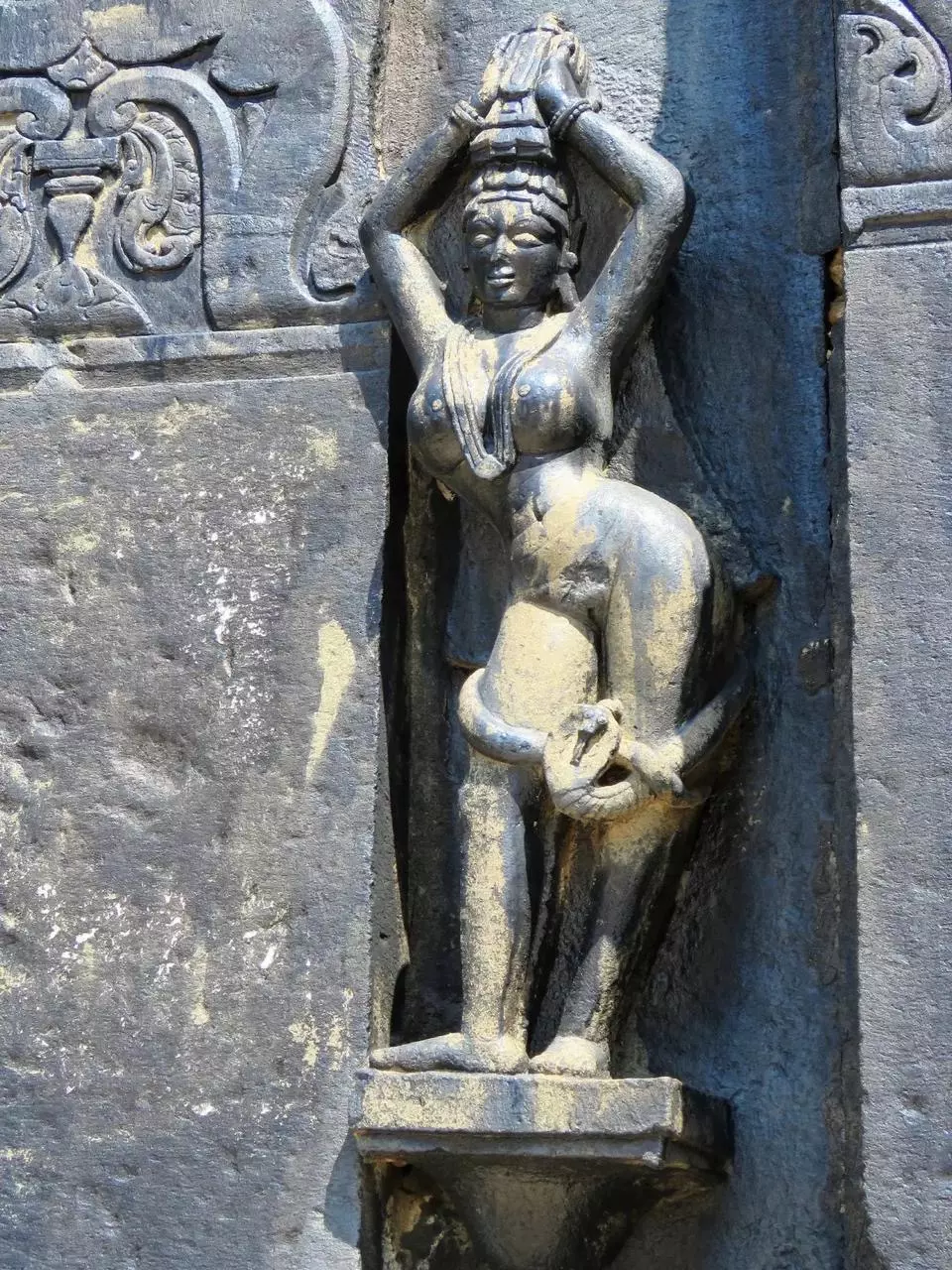
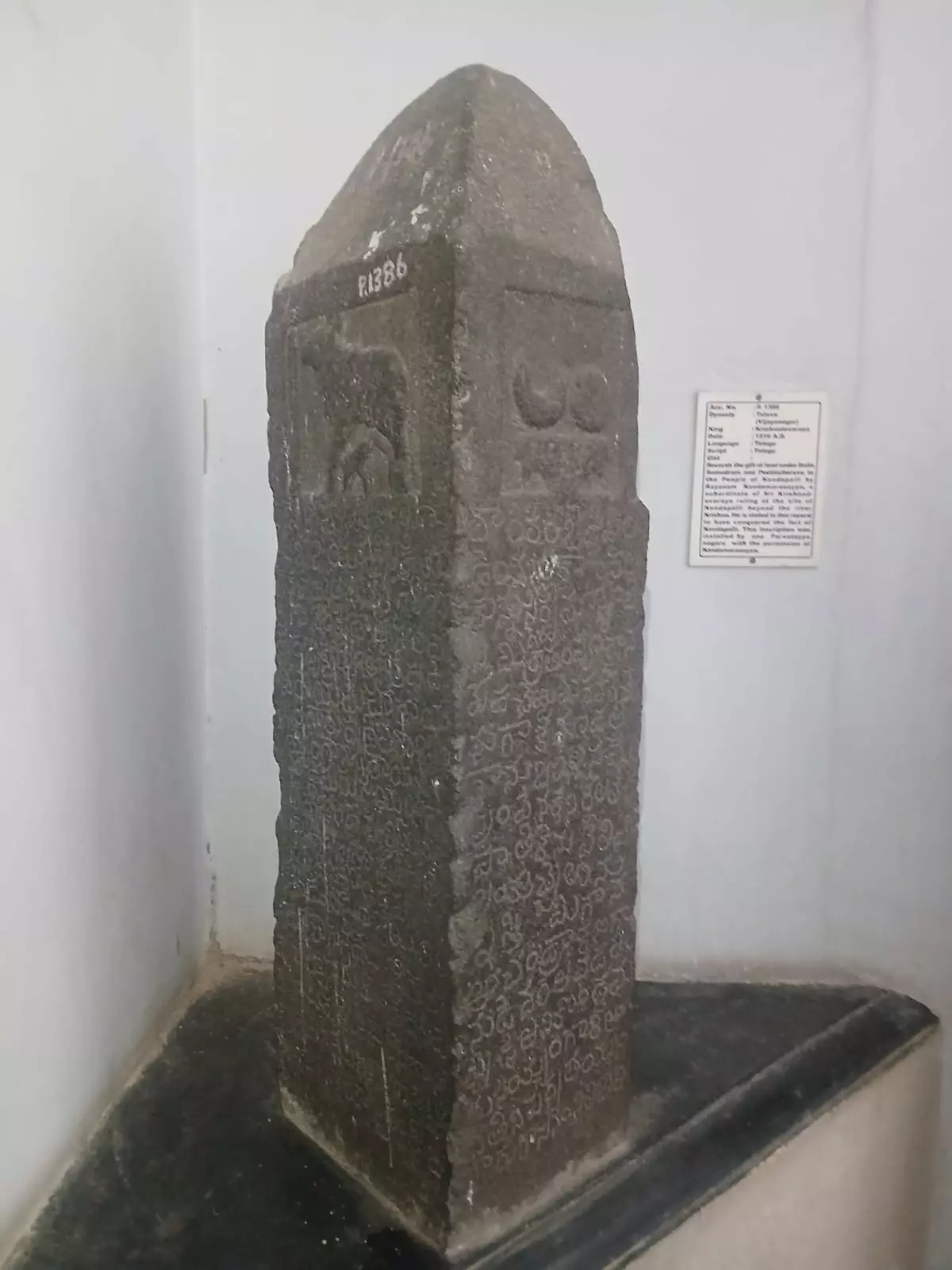
Ancient sculptures, inscriptions and literary evidence reveal that the tradition of offering Bonam (traditional meal offering) to village deities such as Pochamma, Yellamma and Maisamma has continued across Telangana for centuries.
One inscription preserved in the State Archaeology Museum, dating to the Vijayanagara King period in 1516 CE, notes Bonam as the practice of offering cooked rice as a sacred offering to the goddesses. It further shows that the ritual and festivals were already in practice much before that period.
Historian Dr Dyavanpalli Satyanarayana said the tradition of offering Bonam by Hindus during Ashada Masam is linked to the onset of the monsoon, when changing weather and contaminated water often led to diseases.
People offer Bonam to village goddesses, praying for protection from illness, healthy crops and the well-being of cattle. In many villages, the offered Bonam is also sprinkled in agricultural fields for a good harvest, he said.
According to Satyanarayana, the practice of offering Bonam to deities is much older and dates back to prehistoric times, more than 2,300 years ago. Rock art paintings found at Matthamralla Thanda in Kamareddy district, Dasarlapalli on the outskirts of Hyderabad, and Aksharala Loddi (Nallamudi) in Kothagudem district depict offerings of food to deities.
He added that another literary reference comes from the 13th-century Kakatiya period. Medieval works such as Siddeshwara Charithra and Prathapa Charithra mention that Rudramadevi offered Bonam to Eka Veera Devi of Mogilicherla in Warangal district, praying that her daughter Mummadamma would be blessed with a son.
The Bonalu festivities, as per Satyanarayana, existed even before the founding of Hyderabad in 1591. He cited a miniature painting of Muhammad Quli Qutb Shah that refers to the festival being celebrated in Chichulam village, showing that the tradition predates the establishment of Hyderabad.
S. Haragopal, convener of Kotha Telangana Charithra Brundam, said that at the Velpugonda Thumbureshwara Temple in Tekmal Mandal of Medak district, a sculpture depicts a woman standing with a pot balanced on her head.
Similarly, in Potlapalli, Siddipet district, sculptures dedicated to Katamayya feature images of women carrying pots. Symbols of pots carved on pillars dedicated to serpent deities serve as evidence of the Bonalu tradition. He said similar traditions of offering food to the Mother Goddess can be found in many parts of the world.