BITS Team Builds Affordable Testing Device

Developed at BITS Pilani Hyderabad’s Microelectronics, MEMS and Nanoelectronics (MMNE) Lab, the multiplexed potentiostat can test up to four samples or biomarkers simultaneously: Reports
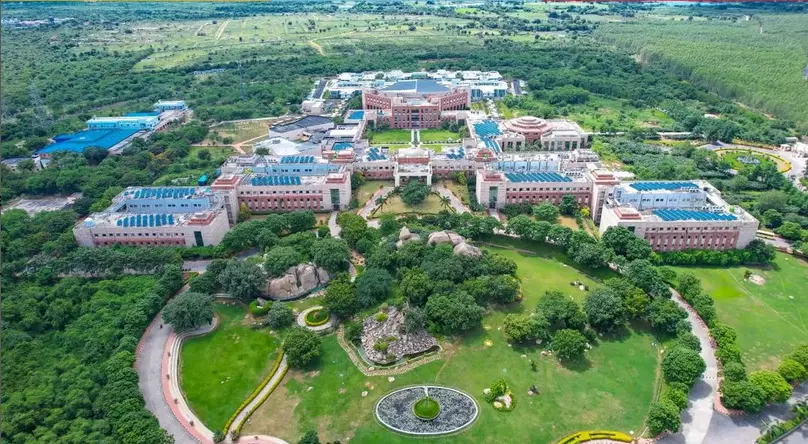
HYDERABAD: A low-cost, palm-sized device developed in Hyderabad promises to transform health and environmental testing by enabling instant analysis of blood, urine, water or soil samples in under a minute.
Developed at BITS Pilani Hyderabad’s Microelectronics, MEMS and Nanoelectronics (MMNE) Lab, the multiplexed potentiostat can test up to four samples or biomarkers simultaneously. It can measure blood glucose, cholesterol, uric acid and creatinine — helping detect early signs of diabetes, heart and kidney diseases — and can also analyse heavy metals, nitrates and nutrients in water or soil.
Priced between ₹3,500 and ₹4,000, the device matches the accuracy of commercial laboratory potentiostats that cost several lakh rupees. Each flexible electrode is coated with a specific recognition molecule that reacts only with its target substance, generating an electrical signal which is wirelessly transmitted to a phone or computer for instant readings.
“Our goal was to make electrochemical testing as simple as checking blood sugar,” said Prof. Sanket Goel, co-supervisor of the project. “Whether it’s blood, urine, water or soil, the same system can deliver real-time results — bringing the lab to the field.”
Prof. R.N. Ponnalagu described the innovation as “affordable, indigenous and on par with imported systems,” adding that its adaptability makes it suitable for healthcare, agriculture, and environmental monitoring.
Student researcher Parvathy Nair, who designed the prototype, said the team developed flexible electrodes tailored for specific biomarkers. “Combined with our multiplexed potentiostat, users can test multiple samples in minutes. This could make on-the-spot diagnostics possible in rural clinics, schools and homes,” she explained.
With minimal power requirements, the device can operate on a small adapter or rechargeable battery, making it ideal for mobile testing vans, field workers and educational use. The team believes it could play a major role in public health programmes, water quality checks and sustainable farming.
By shrinking complex diagnostics into a pocket-sized tool, the researchers aim to make early disease detection, clean water testing, and soil monitoring more affordable and accessible.
