Bikers Remain Top Victims on National Highways

Experts warn bikers face the highest fatality risk
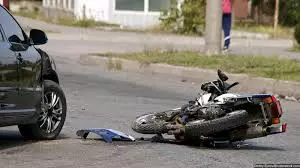
Hyderabad: The two-wheeler rider who first collided with the private sleeper bus on Friday in Kurnool was the first casualty of the road mishap — a grim reminder of what researchers have long warned: motorcyclists remain the most vulnerable users of India’s highways.
According to a report by the Union Ministry of Road Transport and Highways (MoRTH), two-wheeler riders accounted for a majority of the 26,770 road-accident fatalities recorded in the first half of 2025.
Road-safety researchers say low visibility near heavy vehicles and the lack of physical protection make riders especially prone to fatal injuries, particularly in hit-and-run crashes.
A study by Dr Neelima Chakrabarty, senior principal scientist and traffic psychologist at the Central Road Research Institute (CRRI), found that head and neck injuries remain the leading cause of death in two-wheeler crashes, with 88 per cent of such fatalities in low- and middle-income countries linked to head trauma.
“Helmet non-compliance persists despite being legally mandatory due to weak enforcement, and this further worsens survival chances,” she said.
Speed is another critical factor, Dr Neelima noted. “A collision at 60 km/h can result in a 55 per cent risk of serious or fatal injury for motorcyclists,” she said, citing research data.
“The problem is not just human behaviour but the system around the rider. Poor visibility, weak enforcement, and the absence of a credible crash-data system make it difficult to understand where and how accidents occur,” she told Deccan Chronicle.
Dr Neelima called for comprehensive crash-data systems and psychophysical fitness checks for commercial and heavy-vehicle drivers. “To reduce high-speed, blind-spot crashes, we must ensure regular physical and psychological fitness assessments for heavy-vehicle drivers. Attentiveness, decision-making, and fatigue are major contributing factors in fatal accidents,” she explained.
“Authorities often try to make people ‘aware’ of road safety rules by showing films that only depict the aftermath of accidents. But it’s crucial to show the moment of the crash to understand driver behaviour and its consequences,” she added.
