Bamboo Plantations to Root Out Forest Encroachment

The move is also aimed at increasing green cover and bringing an end to podu cultivation in the state.
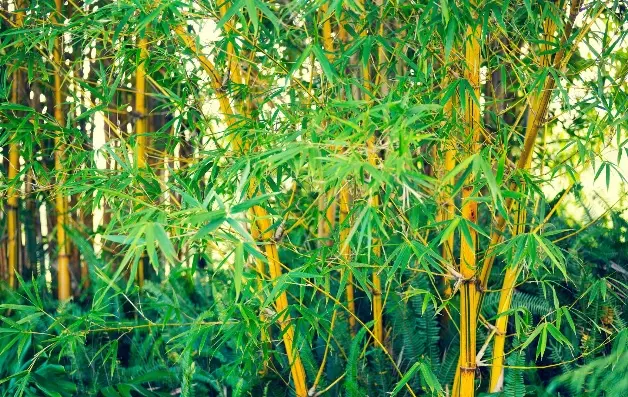
Adilabad: The state government is planning to encourage bamboo cultivation and the raising of plantations on ROFR patta and podu lands to create alternative livelihoods for Adivasis and promote the use of bamboo in daily life, similar to practices in the Northeastern states.
The move is also aimed at increasing green cover and bringing an end to podu cultivation in the state.
The forest department is identifying such podu lands and ROFR lands with pattas to establish bamboo plantations, taking the consent of cultivators and persuading them to participate. Forest officials believe that expanding bamboo plantations will support forest conservation and help offset deforestation.
The government will provide bamboo seeds free of cost and train Adivasis in the skills required to make bamboo products such as lamps, pen stands, mobile stands, home décor items, keychain holders, and flower vases. It will also create opportunities to market these products, thereby generating a sustainable source of income.
Officials note there is strong demand for bamboo products, as many people now showcase bamboo-made décor in their homes to express a closeness to nature, driven by increased environmental awareness following climate change.
Anagandula Venkatesh of the Hyderabad Tiger Conservation Society, who has long worked with Adivasi communities in the erstwhile Adilabad district, said that making a mat requires nearly 16 bamboo poles, each 12–15 feet long, and takes two days to produce, fetching about ₹400. Decorative items, he added, require much smaller pieces of bamboo and can be sold at higher prices, making value addition the need of the hour.
Forest officials believe that many Adivasis who depend on forests for their livelihood currently earn meagre amounts by selling traditional bamboo mats and baskets. By promoting value-added bamboo products, they aim to improve earnings while reducing the need for large quantities of raw bamboo for traditional items.
The Kolams, a Particularly Vulnerable Tribal Group (PVTG), have lost their traditional livelihood of making bamboo baskets and mats due to deforestation. The Naikpod tribes also depend on this occupation. The government now seeks to encourage these communities to take up bamboo cultivation or raise bamboo plantations on ROFR and podu lands where pattas have not been granted.
Forest officials in the erstwhile Adilabad district have proposed this as an alternative livelihood initiative, assuring podu cultivators that they will retain rights over the bamboo once it reaches the harvesting stage. Officials have reportedly extended the same offer to Naikpod tribes cultivating podu lands near Lingapur and Dammannapet in Jannaram mandal, who are allegedly encroaching on forest land in Dandepalli mandal of Mancherial district.