As 2025 Wraps Up, People Look for Slower Transition

Psychologists say winter, reflection and fatigue shape the quiet days before the New Year
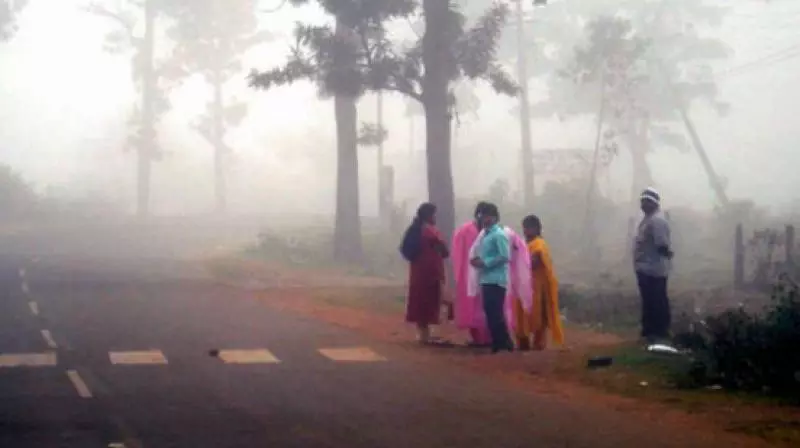
Hyderabad: As the year 2025 bids goodbye this week, many people experience emotions that they did not quite expect. Psychologists say winter mornings, loneliness and a sense of anticipation often influence this short stretch between one year ending and another beginning. Once celebrations taper off, days become slower. Excitement comes down, and mornings feel heavier. For some, the slower pace feels comforting. For others, it leaves more room for thought.
“These days affect both the body and the mind,” said Tina Vijay Rao, a Hyderabad-based psychologist. “Cold weather, shorter daylight hours and broken sleep reduce energy. At the same time, people naturally think about what has passed and what lies ahead. That overlap can bring low mood, restlessness or emotional tiredness.”
Many say the last days of December feel draining rather than festive. Getting out of bed is harder, especially on cold mornings. People linger over tea or coffee, delay plans and spend more time indoors.
“I don’t feel unhappy, but I don’t feel excited either,” said Payal Sharma, a 29-year-old IT professional. “I move slowly these days. I sit with a warm drink in the morning and don’t rush. It feels like my body needs that pace, it’s something I read in a book about letting go and doing what feels right rather than perfect and it worked well.”
Mental health professionals say this pattern is becoming more visible. Instead of jumping into goals or resolutions, many are choosing small, familiar habits. Morning walks in sunlight, warm breakfasts, favourite films and earlier bedtimes are common. Some are also cutting back on social media during this week to avoid comparison and pressure, Rao explained.
“There is a growing shift towards comfort-led routines,” the psychologist said. “People are choosing rest, warmth and predictability. It helps them feel steady when everything else feels uncertain.”
The first few days of January bring their own mix of emotions. Alongside hope, there can be loneliness once family visits end. Many speak of tidying their homes, planning meals or setting simple daily schedules as a way to regain control.
“For me, the new year does not start with anticipation anymore,” said Rohit, a 34-year-old interior designer. “It starts with getting my space in order. I clean, cook at home and wait for my routine to return.”
Rao says allowing this slower transition reduces anxiety linked to expectations around fresh starts. They say it is easier to move forward when people focus on daily habits rather than big promises. As the first full work week approaches, routines gradually return and energy levels improve. Until then, many are letting the year change gently, giving both the old year and the new one the time they need to settle.
