Verdict says the gender isn’t defined by reproductive capacity
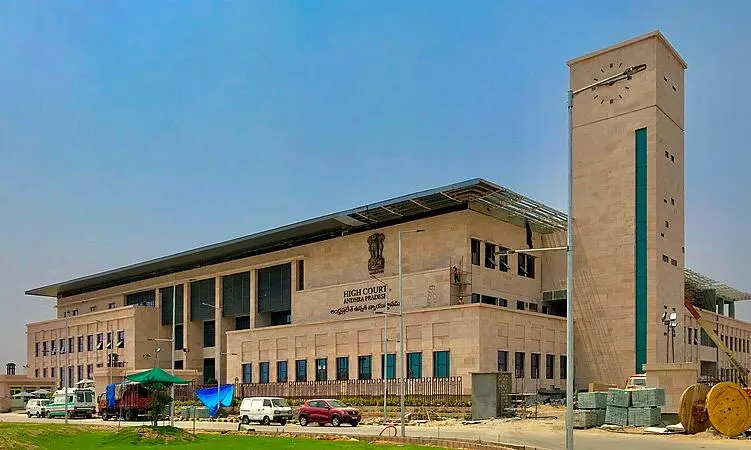
Hyderabad: A recent judgment by the Andhra Pradesh High Court (APHC) reaffirmed the rights of a trans woman to be legally recognised as a woman. This has brought fresh attention to the long-standing questions about how the state, its institutions and the law interact with gender identity. While the verdict clarified that gender isn’t defined by reproductive capacity, trans activists in Hyderabad say systemic stigma, exclusion and institutional gatekeeping continue to deny basic rights.
Anil, a long-time trans rights activist who is also known as Savitri, raised concerns about how boxing trans people into binary categories is not the best solution. “Treating us as women without equity just erases us,” said Anil, adding, “Some of us don’t want to be boxed into male or female. Give us our own space.” Anil added that many trans women change their gender markers to ‘female’ to avoid discrimination in jobs, housing and other spaces.
However, on a different line, Rachana Mudraboyina, founding member of the Telangana Hijra Intersex Transgender Samiti, welcomed the court’s recognition of a trans woman’s legal status in a heterosexual marriage but questioned the outcome. “Why is there no punishment? This man took her money, left her and yet the court gave him a clean chit?” Rachana asked. “The verdict says a trans woman is a woman, but what about justice? What message does this send to other men who exploit trans women?”
To recall, the petitioner in the case alleged that her family had reportedly given `10 lakh in cash, 24 sovereigns of gold, silver and household items as dowry. Her husband, aware of her trans identity at the time of the wedding, left her soon after and later threatened her through messages. While the court ruled in her favour on gender identity, it dismissed the criminal charges against her husband and in-laws, citing a lack of specific detail.
Rachana referred to a similar case involving Matam Ganga Bhavani, a trans woman who had petitioned the APHC five years ago seeking job reservation under the NALSA guidelines. Despite a favourable ruling five years ago, the government didn’t act, and a later judgment reportedly denied her the job, saying she wasn’t “born” transgender. “Transgender persons are not born trans. It’s a gender identity, not a sexual one. That’s the basic flaw in how institutions interpret us,” Rachana explained.
Activists say exclusion is widespread. Trans people are routinely denied housing, access to public spaces and fair chances in job recruitment. Identification documents remain scarce. According to Rachana, although Telangana’s official trans population is estimated at over 60,000, only about 600 have received transgender identity cards. “We celebrate this verdict, but we are still waiting for the basics like ration, cards, jobs, recognition.
Courts can declare rights, but the ground remains hollow.”
Anil described how trans women are still labelled “fake” by police, public officials and institutions. “Even if the court says a trans woman is a woman, we’re still not allowed into pubs, still called ‘fake’ at police stations. So, whose reality are we living in?” Language, they said, is not just ignorant but weaponised. “Society calling us women doesn’t help us earn. Most trans women are dropouts. You can’t ask someone with no education to compete with degree holders. We want equity, not equality.”
Both activists agreed that legal recognition must be followed by social and administrative change. Rachana said the ID application process, though officially demedicalised, remains difficult. Online-only applications require multiple notarised documents and even small mistakes restart the process. Their organisation has asked the Telangana government to hold offline registration camps in all 33 districts.

