Ajanta Paintings at State Museum to Get New Life

The paintings depict the life of the Buddha, Bodhisattvas, Jataka tales, royal courts, merchants, musicians, dancers and everyday life
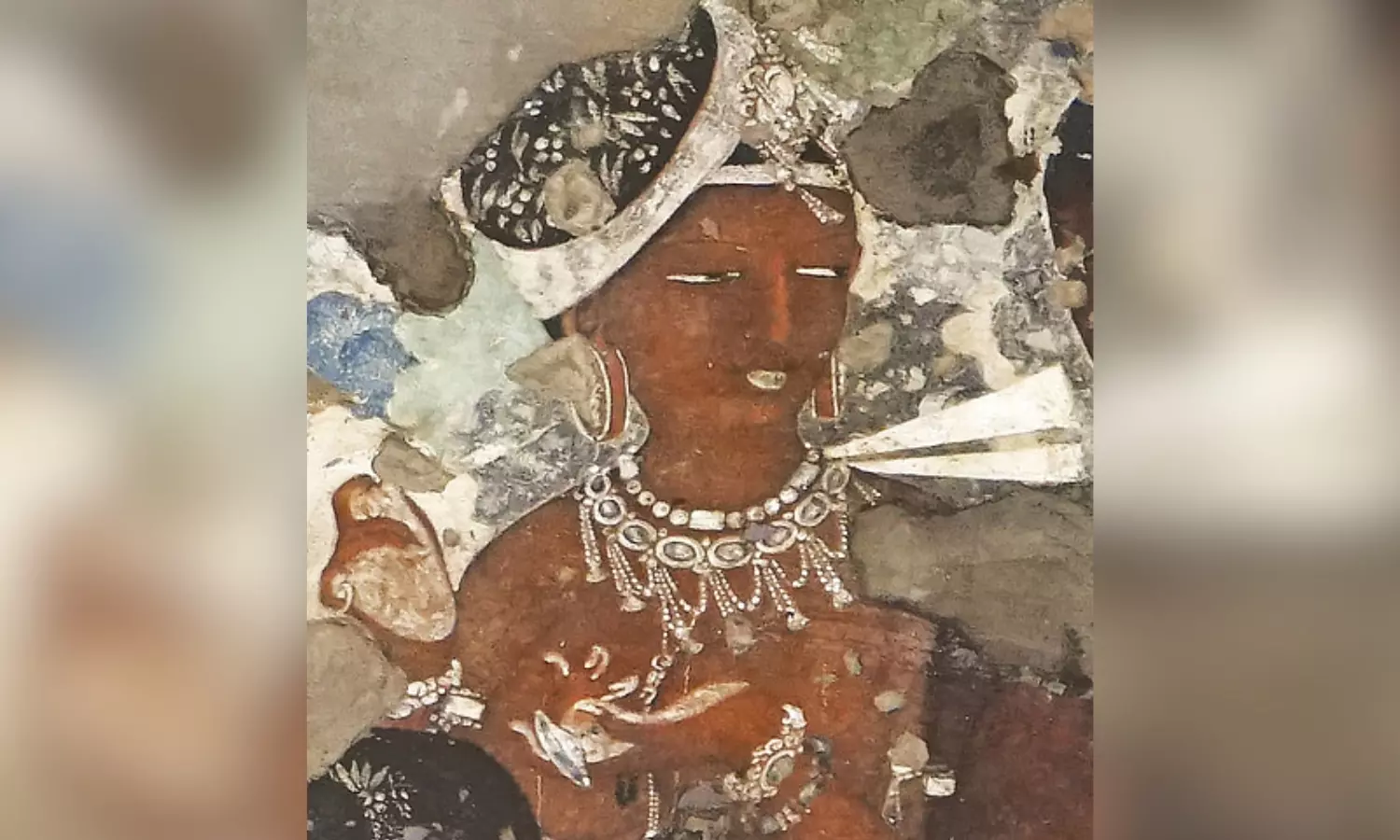
Hyderabad: Ajanta paintings at the State Museum are set to get a new lease of life, as the damaged works will shortly be restored in collaboration with the Noor International Microfilm Centre and the heritage department. The Ajanta Paintings Gallery houses hand-painted replicas, known as “eye copies”, of the murals from the Ajanta Caves in Maharashtra, making the State Museum the only museum in India to possess such a collection.
The paintings were made on canvas by artists who were specially sent to Ajanta for the project. Around 40 paintings are currently on display, while the rest are preserved in the museum's store.
The paintings depict the life of the Buddha, Bodhisattvas, Jataka tales, royal courts, merchants, musicians, dancers and everyday life. The gallery also includes replicas of some of Ajanta's most celebrated murals, including Padmapani Bodhisattva, Vajrapani Bodhisattva and several courtly scenes.
Many of these paintings have suffered damage, and the proposed conservation work is aimed at restoring and preserving the heritage collection for future generations. Experts from the Noor International Microfilm Centre will shortly begin the restoration work after completing the ongoing manuscript conservation project.
The Ajanta Gallery requires specialised conservation, as many of the century-old paintings have deteriorated with age.
“Conservation initiatives have been proposed to stabilise and restore these paintings using traditional methods so that this unique documentation can be preserved for future generations,” said Prof. Arjun Rao, director of the heritage department.
Recognising their artistic and historical value, the Hyderabad archaeological department, under the leadership of Dr Ghulam Yazdani, initiated a project in the early 20th century to create replicas of the Ajanta murals before the originals deteriorated further. The replicas later became part of the Hyderabad museum collection.