AI Changing The Way Genomics And Disease Diagnosis Are Done: Experts At CCMB

Addressing researchers and students, scientists explained how AI had moved genomic medicine away from manual, time-consuming analysis to data-driven decision-making: Reports
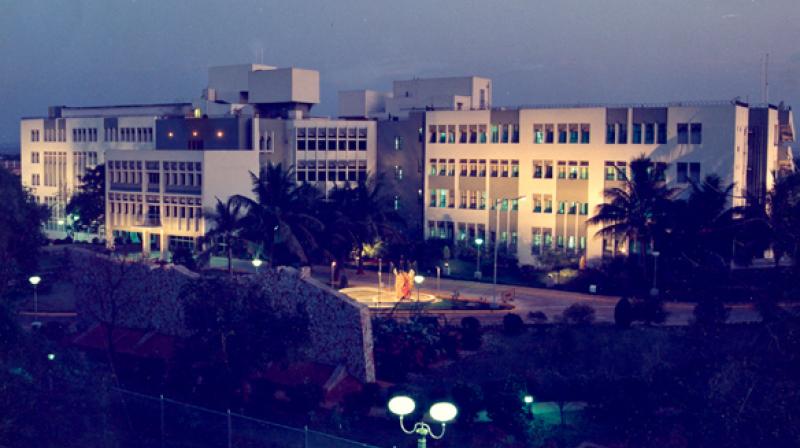
HYDERABAD: Artificial intelligence (AI) is steadily changing how scientists study genes and how doctors diagnose and treat diseases, with major gains in speed, accuracy and personalised care, experts said at the Centre for Cellular and Molecular Biology (CCMB) here on Tuesday.
Addressing researchers and students, scientists explained how AI had moved genomic medicine away from manual, time-consuming analysis to data-driven decision-making.
Tracing the AI-in-genetics journey, speakers said early machine-learning tools used between 2012 and 2016 had limited ability to integrate large genomic datasets. This changed between 2017 and 2019, when deep learning significantly improved the accuracy of identifying genetic variants, raising detection rates close to 99 per cent.
Dr Kumarasamy Thangaraj, senior scientist at CSIR-CCMB, said AI had become central to modern genomics. “AI allows us to analyse massive genetic datasets quickly and consistently. What earlier took months of manual work can now be done in a fraction of the time, helping us understand disease-causing mutations with greater clarity,” he said.
A major turning point came in 2020–2021 with AlphaFold, an AI system that predicted protein structures with near-laboratory accuracy. Experts said this helped scientists understand how genetic changes alter protein function at a molecular level, strengthening research in rare diseases and drug development.
From 2022, the focus has shifted to multi-modal AI, which combines genomic data with clinical records, medical imaging, biomarkers and even lifestyle information. According to speakers, this integrated approach supports precision medicine, where treatments are tailored to individual patients rather than using a single treatment model for all.
Independent consultant Sushil Alimchandani said AI was also reshaping diagnostics. “AI improves diagnostic accuracy, reduces variation caused by human error and processes images and data far faster than traditional methods. This has clear implications for early diagnosis and cost reduction,” he said.
Experts discussed AI-driven drug discovery, where predictive models help identify promising molecules early, reducing failures in clinical trials. In medical imaging, AI-based tools can analyse scans many times faster than conventional methods, aiding quicker diagnosis.
Looking ahead, speakers said AI will play a key role in personalised medicine and remote diagnosis for rural areas. They stressed that AI is not replacing doctors but supporting them with timely, data-backed insights.
