3,000 Years Old Rare Human Statues Found In Mulugu

The anthropomorphic statues, dating back to the Megalithic period (circa 1,000–300 BCE), were discovered by Sangu Venkat Reddy, research scholar from the department of history at Kakatiya University, during his study of Megalithic culture in Telangana
Warangal: Two human-shaped stone, said to be over 3,000 years old, have been found at Edjarlapalli in Wazedu mandal of Mulugu district. The statues are being worshipped by locals as deities ‘Maha Lachhamma’ and ‘Mutyalamma’.
The anthropomorphic statues, dating back to the Megalithic period (circa 1,000–300 BCE), were discovered by Sangu Venkat Reddy, research scholar from the department of history at Kakatiya University, during his study of Megalithic culture in Telangana
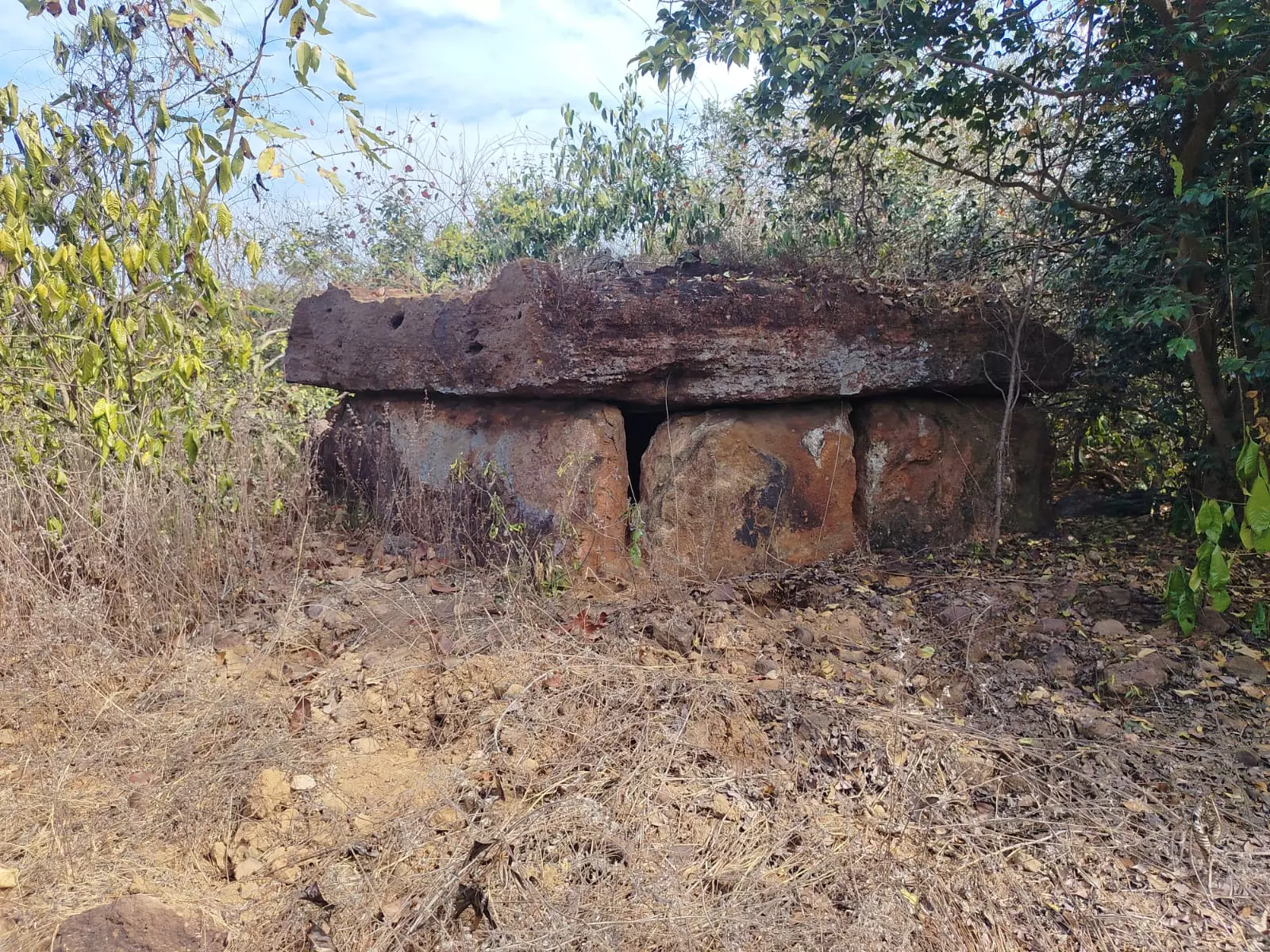
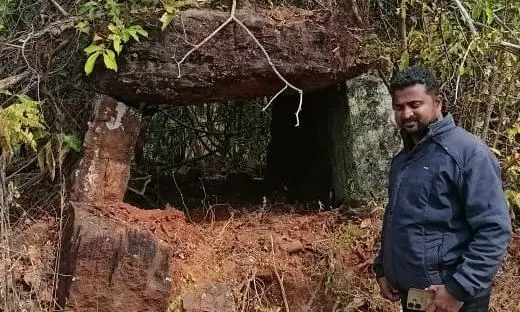
He also documented more than 100 Megalithic dolmenoid cist (stone box-like grave) burials in the surrounding areas of Bommanapalli and Edjarlapalli villages.
Venkat Reddy’s findings suggest that villagers may have moved these ancient statues from their original enclosures into the village and gradually began worshipping them as local goddesses.
The statues are significant as they represent some of the earliest known forms of human-shaped artistic expression in the region, created long before the emergence of formal temple traditions.
The researcher noted that similar traditions of worshipping ancient Megalithic statues continue in other parts of south India. For instance, comparable statues are worshipped as ‘Bayyanna’ in Kondakandal of Jangaon district and as ‘Deva’ in Mottur village of Tamil Nadu. The presence of more than 100 burial sites in the area indicates that the Wazedu region was a major centre of human settlement and cultural activity during the Iron Age.
Experts said the findings highlight the deep historical roots of Telangana and the urgent need to preserve such archaeological sites. The dolmenoid cists and associated statues provide valuable evidence of funerary practices and artistic capabilities of communities that lived in the region between 1,200 BCE and 300 BCE.
