30 IISc Scientists to Develop the Smallest-Ever Semiconductors in the World

Using 2D materials, team eyes chip tech breakthrough; seeks Rs 500 crore for 5-year project
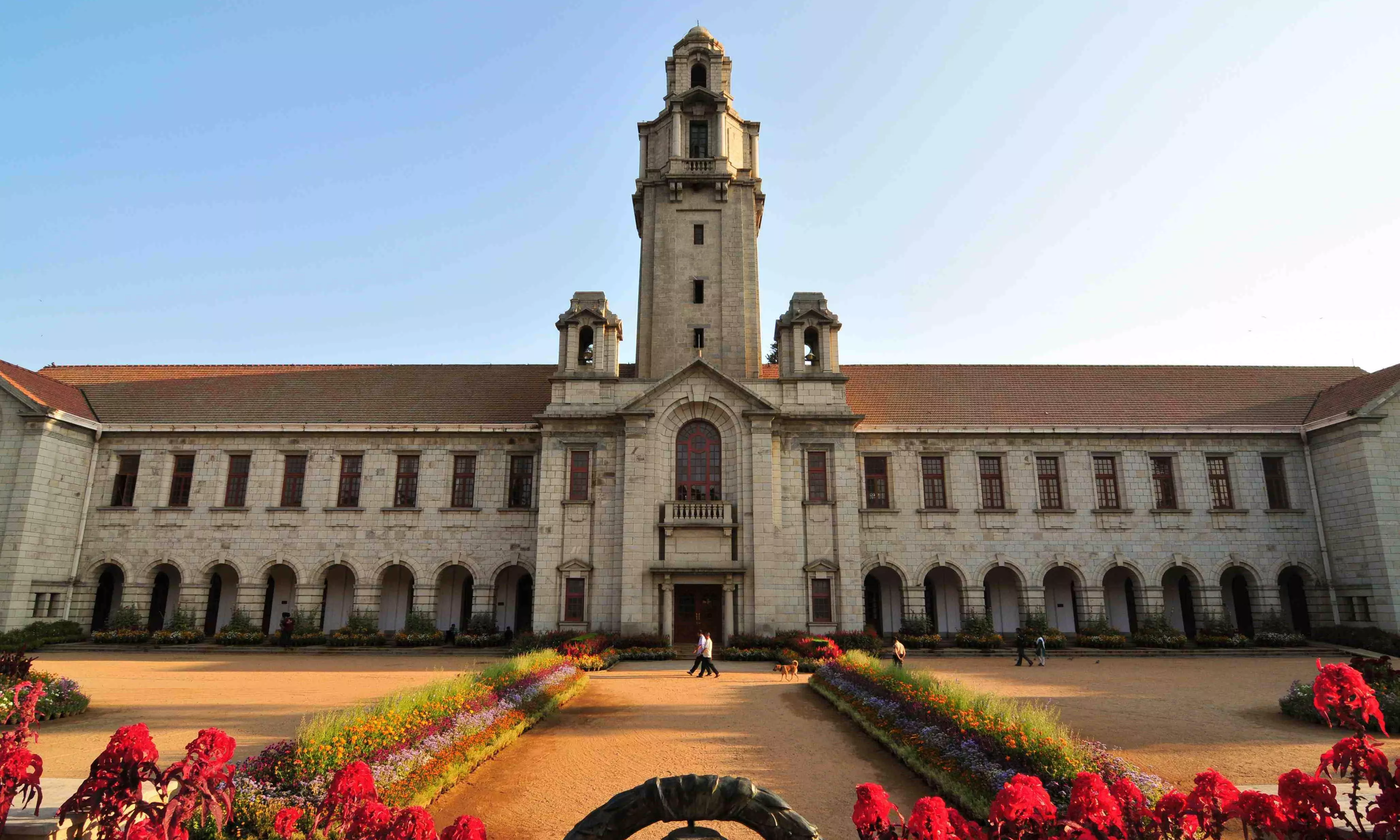
Hyderabad: A team of 30 scientists from the prestigious Indian Institute of Science (IISc) has proposed to develop the smallest-ever chips — semiconductors, in the world.
If they are successful, it would allow India to emerge as a leader in the fab industry and help companies to shrink the size of gadgets further and lead to the production of wearable gadgets.
The proposed chips will be manufactured using two-dimensional (2D) materials such as graphene and transition metal dichalcogenides (TMDs). These chips would be measured in one angstrom or a tenth of nanometre.
The smallest chips currently in production have a thickness of three nanometres. A human hair typically has a thickness of 1,00,000 nanometres (0.01 cm) or 10,00,000 angstrom.
“A team of scientists at IISc submitted a detailed project report (DPR) to the Principal Scientific Adviser (PSA) in April 2022, which was revised and submitted again in October 2024. The report was later shared with the Ministry of Electronics and IT. The project promises to develop angstrom-scale chips, far smaller than the smallest chips in production today,” PTI reported, quoting a source in the government.
The 30-member team of scientists at the Bengaluru-based IISc is led by Prof. Mayank Shrivastava.
Semiconductor manufacturing is dominated by silicon-based technologies, though efforts are being made around the world to produce semiconductors using 2D materials, which have a thickness of an atom.
Apart from India’s IISc, Princeton University in the United States, Okinawa Institute of Science and Technology in Japan, Songshan Lake Materials Laboratory in China, Korean Institute of Science and Technology in South Korea, European Union, and the University of Manchester in the United Kingdom are working on 2D materials.
The IISc team sought funding of Rs 500 crore over five years. In comparison, other countries have already invested millions of dollars in the research of next-generation technology.
According to an announcement posted on the website of Principal Scientific Adviser, the project was conceptualised in 2021, and Niti Aayog had recommended the project in September 2022 based on the IISc report.

