Tamil Nadu’s EV Policy Can Create Long-Term Industrial Impact

The EV policy attempts to use the existing automobile ecosystem to pull new-age manufacturers into the same industrial geography rather than developing EV manufacturing as an isolated sector.
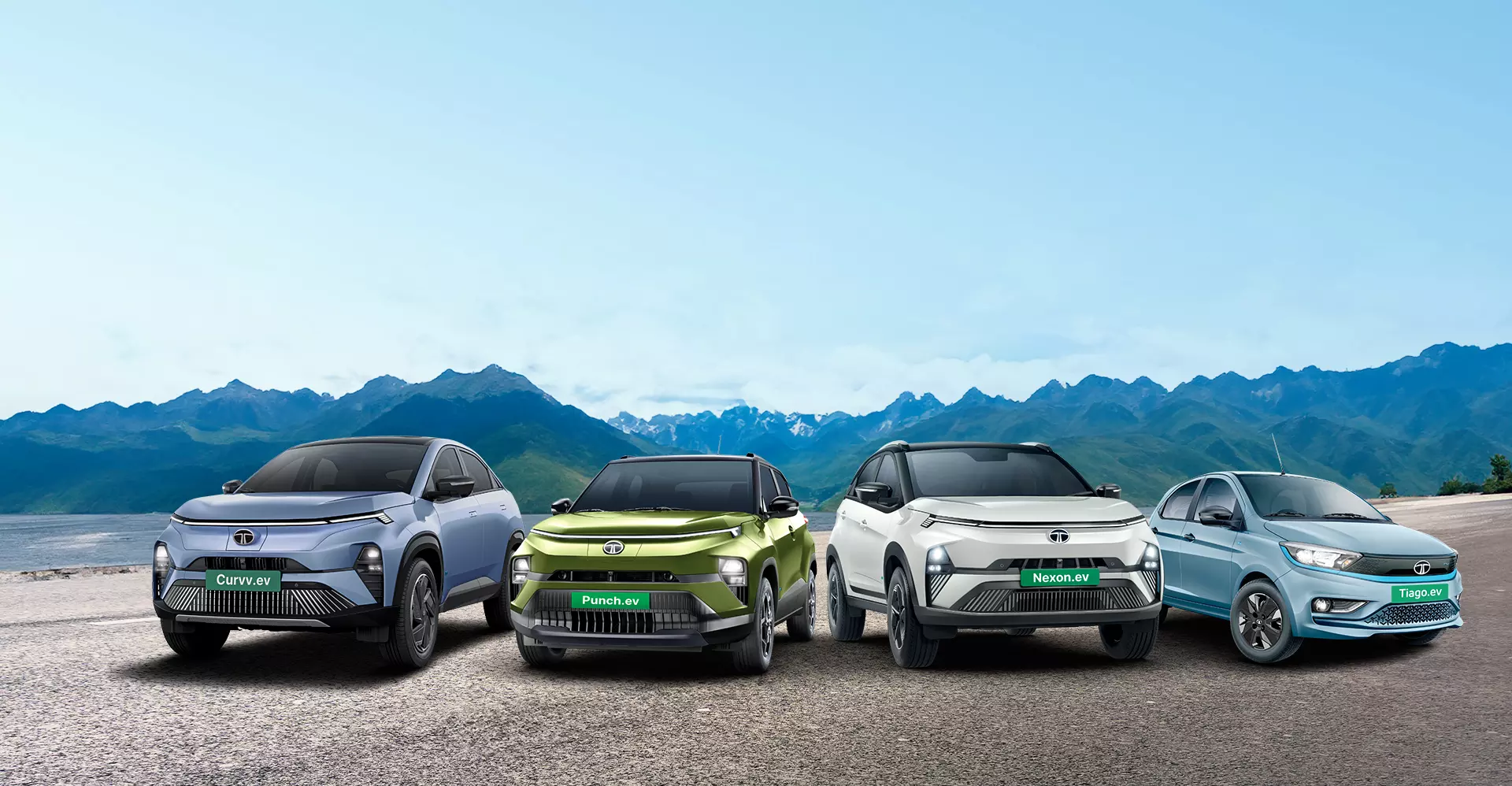
Chennai: Tamil Nadu’s electric vehicle (EV) policy is increasingly shaping up as an industrial strategy centered not just on vehicle assembly but also on building a domestic battery and component ecosystem as the state seeks to convert its established automobile manufacturing base into an advantage in the next phase of mobility.
The Tamil Nadu Electric Vehicle Policy 2023 set a target of attracting Rs. 50,000 crore in EV-related investment and creating 1.5 lakh jobs during the policy period.
More significantly, it explicitly identified battery manufacturing, EV components, research and development, skill development and recycling as parts of the ecosystem that the state wants to build.
For the battery industry, the policy offered a particularly strong incentive package.
Battery manufacturing projects were eligible for a capital subsidy of 20 per cent of eligible investment spread over 20 years, along with a 25 per cent subsidy on the cost of land acquired from government agencies.
Projects in southern districts could receive a higher land subsidy, while electricity tax exemptions and employment incentives were also provided for eligible investments made within the policy’s specified period.
The significance of this goes beyond attracting individual gigafactories.
Batteries account for a substantial part of an EV’s value, making cell technology, battery packs, materials, electronics and recycling strategically important to the competitiveness of the automobile industry.
Tamil Nadu already has a deep automobile and component manufacturing base with major global vehicle manufacturers and suppliers operating in the state.
The EV policy attempts to use that existing ecosystem to pull new-age manufacturers into the same industrial geography rather than developing EV manufacturing as an isolated sector.
The state’s own industrial policy also lists EVs, EV cells and battery manufacturing among its sunrise sectors eligible for special incentives.
One of the clearest examples is Krishnagiri, where Ola Electric is developing an integrated EV hub. Its plans include both vehicle manufacturing and lithium-ion cell production. The EV hub is intended to bring suppliers into the same ecosystem.
Ola’s cell manufacturing project has also been selected under the Centre’s Advanced Chemistry Cell PLI programme as 20 GWh of capacity awarded.
As of February 2026, the Union government reported Rs. 1,503 crore of investment and 634 direct jobs against the project.
The policy’s impact is, therefore, likely to extend well beyond the headline investment announced by vehicle manufacturers.
The state has specifically envisaged indigenous EV manufacturing value chains by attracting original equipment manufacturers and component manufacturers and promoting industry-academia links, R&D and battery recycling.
This makes the next stage of Tamil Nadu's EV strategy particularly important.
If the state can attract companies involved in cathode and anode materials, cell components, battery management systems, power electronics, recycling and critical mineral processing alongside cell manufacturers, the economic impact could be considerably larger than vehicle assembly alone.
The state’s policy already recognises this broader approach.
It calls for the development of a robust EV ecosystem, promotion of recycling to create a circular economy and stronger industry-academia linkages for creating a skilled workforce.
For Tamil Nadu, this could make EV policy part of a much larger industrial transition from an automobile manufacturing state to a broader clean-energy manufacturing hub.
The challenge, however, will be converting incentives into a complete industrial ecosystem.
Land, reliable and competitively priced power, water, logistics, skilled manpower, R&D capability and access to upstream materials will determine whether battery projects become isolated factories or generate a network of suppliers and technology companies around them.
That distinction could determine the long-term industrial impact of the EV policy.
