Revival of Urban Demand to Improve Corporate Revenues

Steady public investment and domestic consumption drive optimism, but global headwinds and inflation pose challenges.
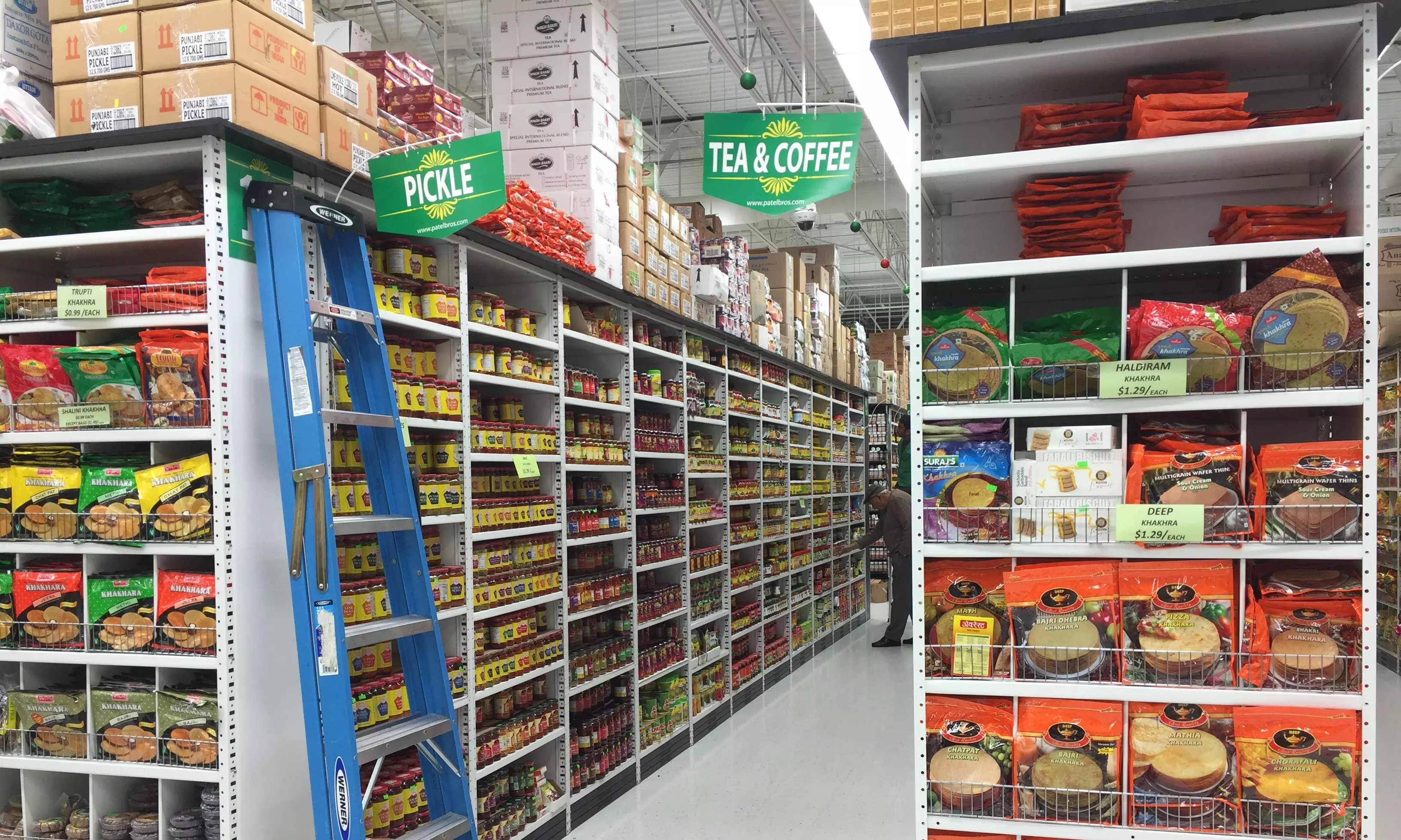
Chennai: Upbeat rural demand and expected revival in urban demand are likely to help Indian companies see 7-8 per cent revenue growth in the March quarter. Remaining cautious in 2025, companies are balancing growth aspirations with economic realities. While public investments and domestic consumption continue to support growth, global slowdown, supply chain disruptions, and inflationary pressures remain key concerns.
“Rural demand is expected to be upbeat in H1 CY2025, aided by the robust output for most kharif crops and the favourable outlook for the ongoing rabi season. Beyond that, a normal and well-distributed monsoon will support the agricultural outcomes. Further, after remaining sluggish over the last few quarters, urban demand is expected to improve, aided by the sizeable income-tax relief in the Union Budget 2025, the monetary easing by the Reserve Bank of India, and the expectations of a moderation in food inflation, which would augment discretionary consumption, finds ICRA.
According to Motilal Oswal Financial Services, India’s capex cycle remains a bright spot, providing long-term growth opportunities. Sectors such as railways, defence, and renewable energy are seeing steady investments, backed by government initiatives and private sector participation. These infrastructure-led sectors are expected to act as economic stabilizers, cushioning the impact of demand slowdowns in other industries while supporting sustained expansion in the coming years.
However, ICRA expects the private capital expenditure cycle to remain measured in view of the uncertainties around geopolitical developments and relatively subdued outlook on merchandise exports from India. The ongoing geopolitical tensions continue to impact demand sentiments, especially for export-oriented sectors such as agrochemicals, textiles, auto and auto components, cut and polished diamonds, and IT services. The IT sector, a traditional growth driver, is witnessing weaker deal momentum and cautious client spending, while chemical exports are under stress due to lower global commodity prices and subdued international demand.
Nonetheless, certain sunrise sectors such as electronics, semiconductors and niche segments within the automotive space like electric vehicles will continue to see a scale-up in investments, in line with the various production-linked incentives programmes.
High valuations, global risks, and muted corporate profitability require investors to prioritise sectors with strong earnings visibility and sustainable demand drivers.
