Niti Aayog Wants Reduction Of Criminalisation In Direct Tax Regime

Niti Aayog finds that there is a persistent over-criminalisation in several domains: Reports
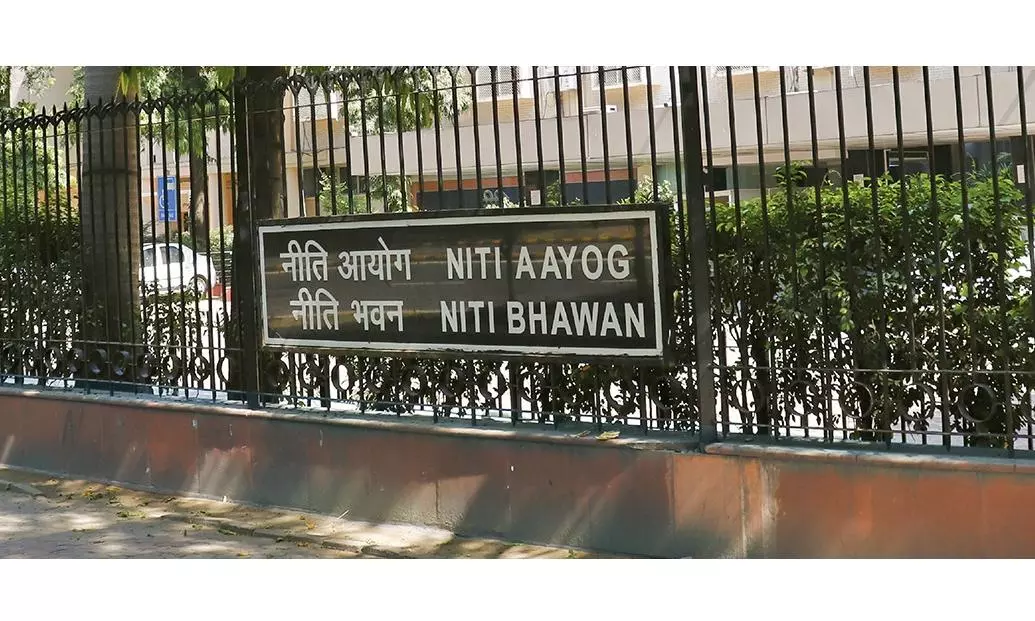
CHENNAI: Niti Aayog has recommended reforms in direct tax regime by reducing criminalisation of minor procedural defaults, restoring judicial discretion, and focusing enforcement efforts on wilful and fraudulent tax evasion.
It has proposed a calibrated framework for decriminalisation, rationalisation of punishments, and legislative clarity. These reforms will help reduce litigation, enhance investor confidence, and lead to greater voluntary compliance and higher revenue collection by ensuring that enforcement mechanisms remain proportionate and fair.
Niti Aayog finds that there is a persistent over-criminalisation in several domains. Notably, certain administrative and procedural faults—such as minor failures to comply with orders, or technical defaults in furnishing electronic assistance—still attract criminal penalties, despite posing no real risk to fiscal security or public interest.
Of the 35 criminal offences identified, 12 should be fully decriminalised and addressed through civil or monetary penalties alone, including a range of administrative and technical defaults.
As many as 17 offences should retain criminal liability only for fraudulent or malafide intent, removing criminal sanctions for good faith procedural lapses—thereby distinguishing fraud from honest error.
Six core offences, involving deliberate, high-value, and injurious misconduct such as orchestrated tax evasion or fabrication of evidence, should remain criminal with proportionate punishments.
Further, Aayog wants the government to remove mandatory minimum imprisonment for most offences, enabling the judiciary to exercise discretion based on individual case circumstances and grades of culpability.
Courts should be permitted to choose between fines and imprisonment, prioritising simple imprisonment or non-custodial measures, especially for first or low-level offences. The prosecution’s duty to demonstrate wilful or fraudulent intent beyond reasonable doubt should be restored, consistent with Indian criminal law standards and global best practices.
Offence definitions should be simplified and clarified to ensure that only specifically stated, serious, and intentional misdeeds attract criminal consequences. Mechanisms for regular review of criminal provisions should be established to eliminate redundant or obsolete offences over time.
With these reforms, India can improve compliance outcomes and ease of doing business while fostering a culture of trust and cooperation between taxpayers and the administration.
