Madras HC Dismisses AIADMK Plea On Mekedatu Resolution

24 Sept 2026 10:51 AM IST24 Sept 2026 10:51 AM IST
Madras High Court on Wednesday dismissed the AIADMK’s petition against the inclusion of an amendment in the Assembly resolution against the construction of the Mekedatu dam by Karnataka seeking a new tribunal.
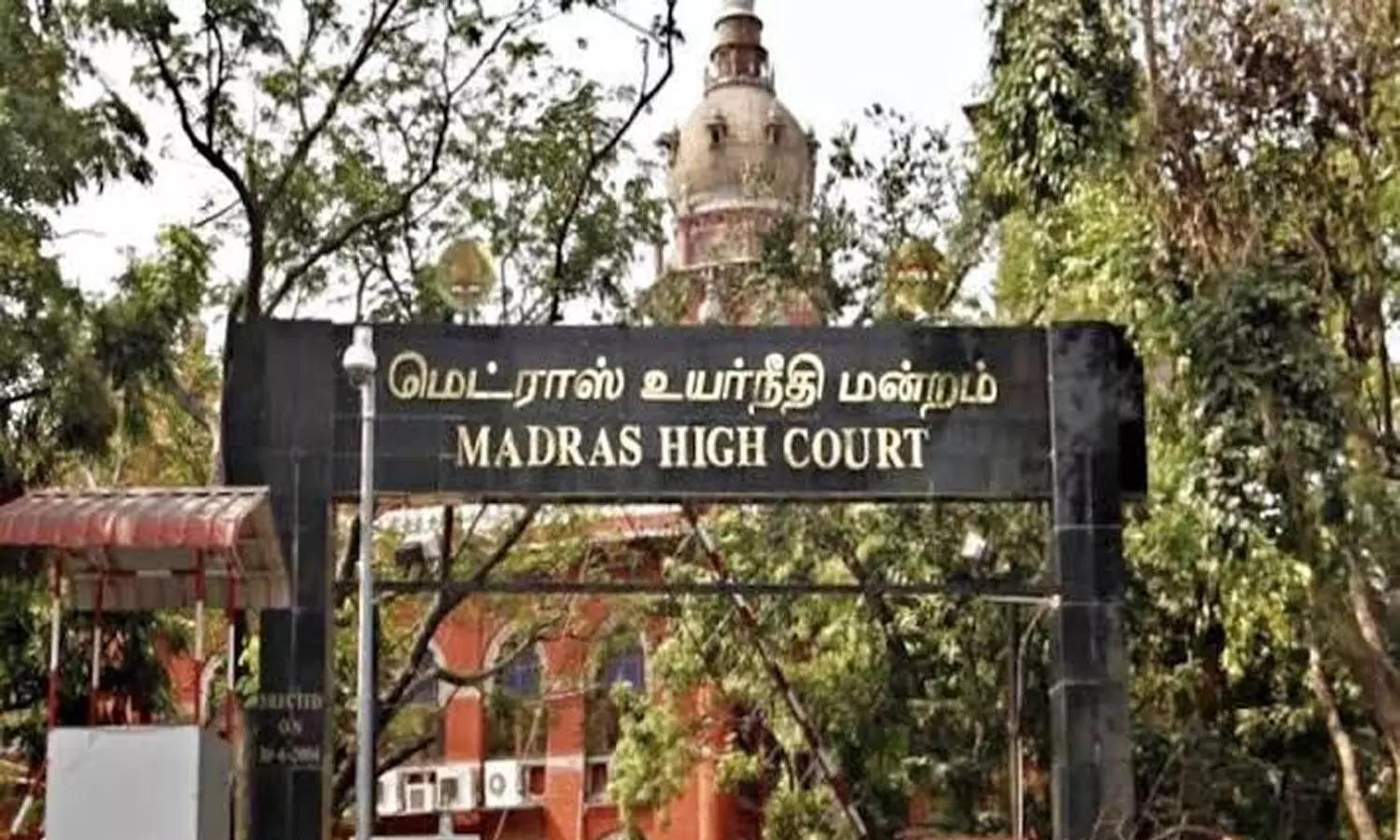
Madras High Court File Image
Chennai: Madras High Court on Wednesday dismissed the AIADMK’s petition against the inclusion of an amendment in the Assembly resolution against the construction of the Mekedatu dam by Karnataka, seeking a new tribunal. The court said the petitioner could not approach the court when they did not utilise the opportunity to oppose the amendment in the Assembly itself. The court further said the writ petition fails the threshold objection under Article 212 of the Constitution.
A bench comprising Chief Justice Sushrut Arvind Dharmadhikari and Justice G. Arul Murugan said “Article 212(1) of the Constitution of India provides that the validity of any proceeding in the Legislature of a State shall not be called in question on the ground of any alleged irregularity of procedure. Article 212(2) of the Constitution of India protects officers and Members of a State Legislature, in whom powers of regulating procedure or conduct of business are vested, from the jurisdiction of any court in respect of the exercise of those powers”.
The judges said, “The Court must tread with caution and judicial restraint, because the High Court is not an appellate body over the State Legislature, nor is the State Legislature an inferior organ to the High Court”. Under Rule 286 of the Tamil Nadu Legislative Assembly Rules, the Speaker of the Tamil Nadu Legislative Assembly is vested with the power to decide all questions of procedure arising in the House.
Articles 211 and 212 of the Constitution of India, read conjointly, form part of a Constitutional scheme of mutual deference between the High Court and the State Legislature regarding their internal functioning, and judicial review will lie only where the case is of such gravity that it transcends this scheme of mutual deference, the judges said. They said no case of the requisite gravity such as want of jurisdiction, substantive illegality, mala fides, breach of any constitutional limitation had been made out by the petitioner.
The court said if members present in the House, who had the opportunity then and there to object, chose instead to vote "Aye" or to remain silent, they cannot, weeks later, ask a court to treat their own silence as a nullity. The principle that a person who stands by, watches an act take place, and permits it to occur without protest cannot subsequently be heard to complain of it, applies with as much force to the floor of a legislature as it does to any other public proceeding.
The judges said, “The Court must tread with caution and judicial restraint, because the High Court is not an appellate body over the State Legislature, nor is the State Legislature an inferior organ to the High Court”. Under Rule 286 of the Tamil Nadu Legislative Assembly Rules, the Speaker of the Tamil Nadu Legislative Assembly is vested with the power to decide all questions of procedure arising in the House.
Articles 211 and 212 of the Constitution of India, read conjointly, form part of a Constitutional scheme of mutual deference between the High Court and the State Legislature regarding their internal functioning, and judicial review will lie only where the case is of such gravity that it transcends this scheme of mutual deference, the judges said. They said no case of the requisite gravity such as want of jurisdiction, substantive illegality, mala fides, breach of any constitutional limitation had been made out by the petitioner.
The court said if members present in the House, who had the opportunity then and there to object, chose instead to vote "Aye" or to remain silent, they cannot, weeks later, ask a court to treat their own silence as a nullity. The principle that a person who stands by, watches an act take place, and permits it to occur without protest cannot subsequently be heard to complain of it, applies with as much force to the floor of a legislature as it does to any other public proceeding.
( Source : Deccan Chronicle )

Next Story