CBIC rescinds 2020 circular enabling cargo movement through India, disrupting Bangladesh’s trade with Nepal and Bhutan
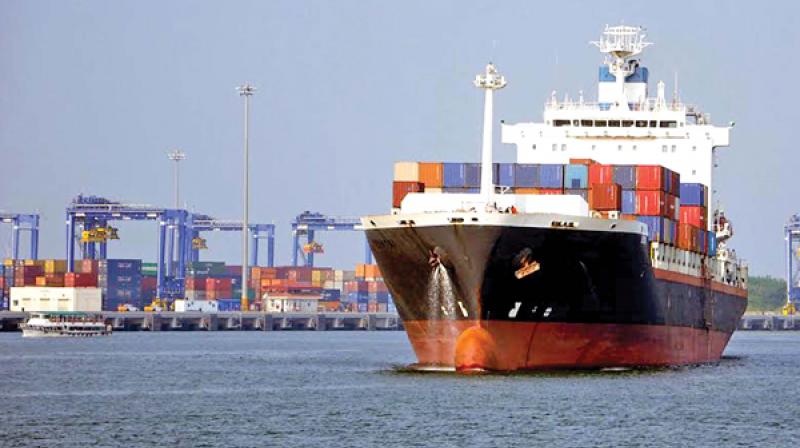
Chennai: India has ended the trans-shipment facility provided for Bangladesh, disrupting its trade with countries like Nepal and Bhutan. The move raises concerns regarding India's commitments to WTO provisions.
“Circular No. 29/2020-Customs dated 29.06.2020 … provides for trans-shipment of export cargo from Bangladesh destined to third countries through Land Customs Stations (LCSs) to Ports and Airports. It has been decided to rescind the aforesaid Circular as amended with immediate effect. Cargo already entered into India may be allowed to exit the Indian territory as per procedure,” CBIC said in a notification issued on Tuesday.
This will disrupt Bangladesh's trade with Bhutan and Nepal. This had allowed trans-shipment of cargo from Bangladesh to third countries using Indian Land Customs Stations (LCSs) to Indian ports and airports. This helped Bangladesh cut transit time and cost. Now, without it, Bangladeshi exporters may face logistical delays, higher costs, and uncertainty. India also has been allowing one-way zero tariff access to Bangladesh goods except alcohol and cigarettes, to the vast Indian market in the past two decades.
According to GTRI, Bangladesh’s plan to create a strategic base near Chicken’s Neck area in Siliguri with China’s help may have prompted this action. Bangladesh also has invited Chinese investment to revitalize the air base at Lalmonirhat near India's Siliguri Corridor.
However, the move may raise concerns regarding India's commitments under WTO provisions which mandates freedom of transit for goods to and from landlocked countries. According to WTO rules, especially Article V of the General Agreement on Tariffs and Trade (GATT) 1994, all WTO members are required to allow freedom of transit for goods moving to and from landlocked countries. This means such transit must be unrestricted, free from unnecessary delays, and not subject to transit duties. It also calls for transparent procedures, reduced inspections, and regional cooperation, while promoting practical solutions like guarantees or bonds to ease cross-border trade.