HC to Take Up Vaiko’s Appeal Against LTTE Ban on Feb. 16

The Union government banned the LTTE in 1991 after the assassination of former Prime Minister Rajiv Gandhi and the ban was extended once every two years. Later, the ban order was extended once every five years.
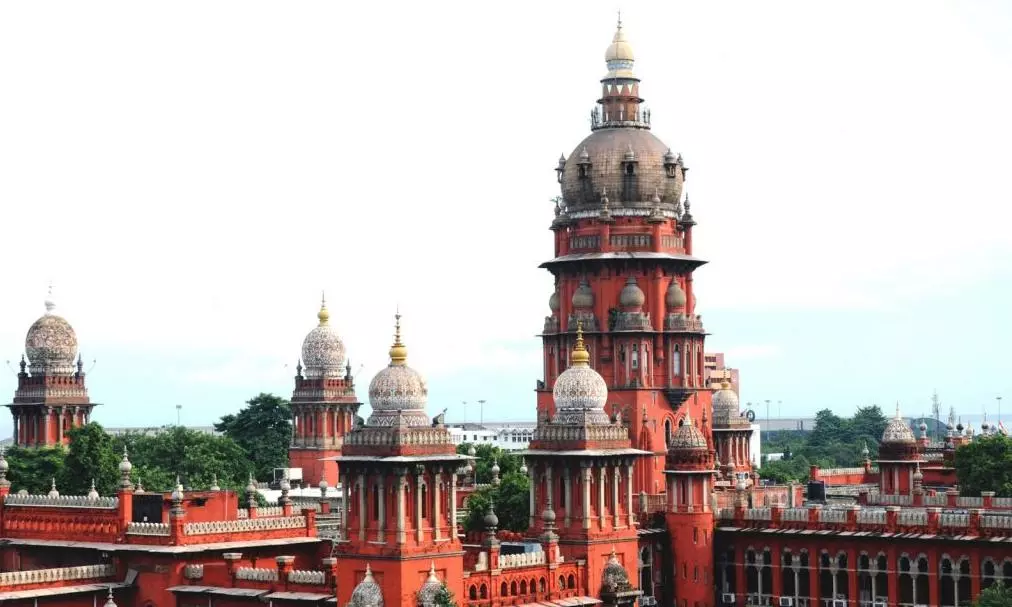
Chennai: The Madras high court on Thursday adjourned MDMK general secretary Vaiko’s appeal against the Delhi tribunal’s order, upholding the ban on the LTTE. The case was adjourned following a request by the Union government seeking more time.
The case came up before a division bench of Justice Anita Sumanth and Justice C. Kathir Kumar. The Union government counsel requested the court to postpone the hearing since the additional solicitor general (ASG) was to appear in the case. The judges accepted the request and adjourned the hearing to February 16.
The Union government banned the LTTE in 1991 after the assassination of former Prime Minister Rajiv Gandhi and the ban was extended once every two years. Later, the ban order was extended once every five years.
The latest ban order came in 2024 and it was upheld by the tribunal of Delhi high court judge Manmeet Pritam Singh. The tribunal upheld the contention that the activities of the LTTE are aimed at secession of a part of India’s territory from the Union and fall within the ambit of unlawful activities.
Vaiko had challenged the ban order issued in 2012 in the Madras high court and he had stated that the object of the LTTE for a separate homeland of Tamil Eelam was restricted only to the Tamils living in the northern and eastern part of Sri Lanka. He said the word ‘Eelam’ itself connotes territorial land within Sri Lanka.
The object of the LTTE was not to have a separate homeland for Tamils in all the places of the world where Tamils are living but it was restricted to Tamils living in Sri Lanka, he said in his contention.
The object of establishment of Tamil Eelam was not intended to take even an inch of land belonging to Indian territory. There was no material whatsoever placed before the tribunal by the government to support the apprehension that the concept of Tamil Eelam includes the annexation of any part of Indian territory, he had submitted.
The Union government, which gave the reasons for the ban in the tribunal, stated that LTTE sympathisers living abroad continue to spread anti-India propaganda among Tamils holding the Indian government responsible for the defeat of the LTTE. The campaign was likely to develop a sense of hatred among the Tamil populace towards the Government of India and its Constitution.
The Centre also said it had been found that the group’s cadre and sympathisers were still active and continue to look at Tamil Nadu as a base for carrying out anti-India activities. The government had also said the LTTE’s objective for a separate homeland for the Tamils was still the forefront agenda which threatens the sovereignty and integrity of India and amounts to an attempt to secede a part of the territory of India from the Union and, thus, the activities fall within the ambit of unlawful activities.
