Erratic Southwest Monsoon Rains May Leave Nilgiris Parched

This year the district received 384 mm rainfall, Ooty town limits got only 135 mm, which is 180 per cent deficit. This shows that the SW monsoon rainfall lacked uniformity
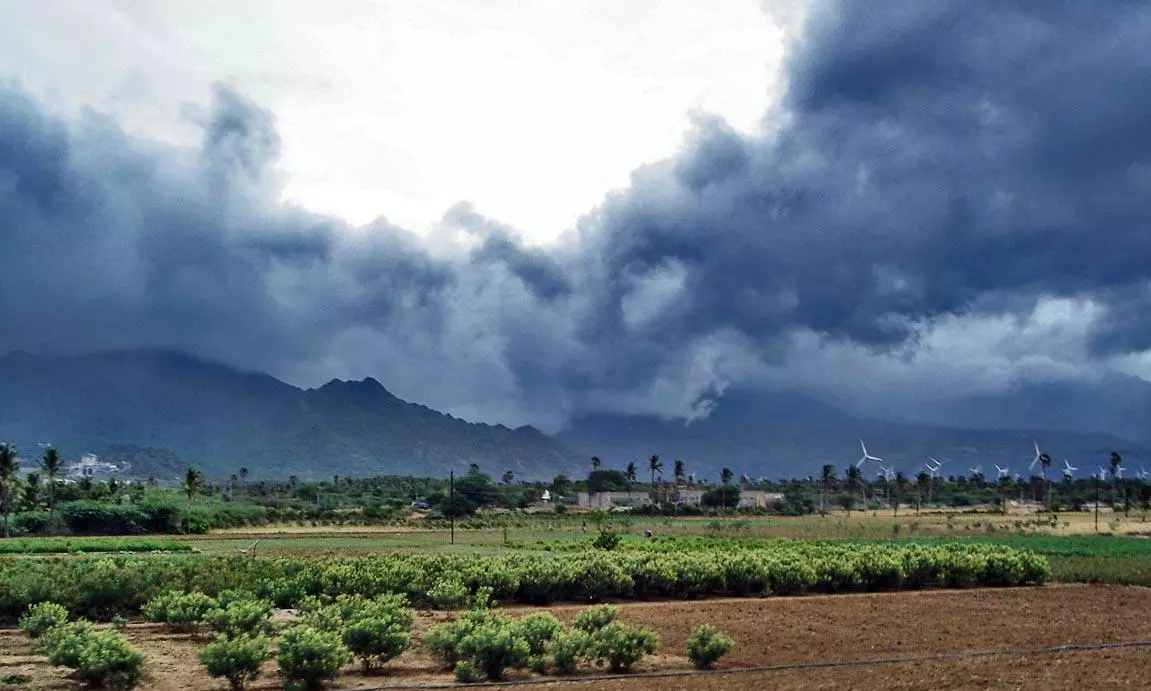
Ooty: An abnormal southwest monsoon with deficit rainfall may bring forth water supply issues in the hills, especially in the urban limits, if the rains in the second half of the four-month-long SW monsoon, that runs between June and September, fails to compensate for the deficit in the first half of the season this year.
Usually, June and July are the wettest months in the Nilgiris, especially in Ooty, Kundah, Gudalur and Pandalur taluks, with near round-the-clock drizzle and intermittent heavy downpour that would ensure swelling of streams and ground water recharge. Though in 2025 the SW monsoon had arrived early with rains from May third week, this year the usual copious rainfall was missing in June and July, especially in the urban limits of central Nilgiris.
The data from June 1 to August 10 showed that the hills here received 384 mm rainfall against the normal average of 525 mm. This is a nearly 28 percent deficit for the SW monsoon season that is half-way through now. Intriguingly, while the district received 384 mm rainfall, Ooty town limits got only 135 mm, which is 180 per cent deficit. This shows that the SW monsoon rainfall lacked uniformity while the western Nilgiris and some rural limits received appreciable rainfall which helped the reservoirs in the western Nilgiris to brim up a little, but, the urban central Nilgiris failed to receive the average showers.
The only solace is the satisfactory rainfall in recent weeks in the Parson’s Valley reservoir, west of Ooty, the main source of drinking water to the town limits. Generally, the intensity of SW monsoon would subside from August paving way for autumn showers.
