All-Round Concern, Preparedness For Intense Summer In City

The India Meteorological Department (IMD) has indicated that Tamil Nadu may witness more frequent heatwave days this season.
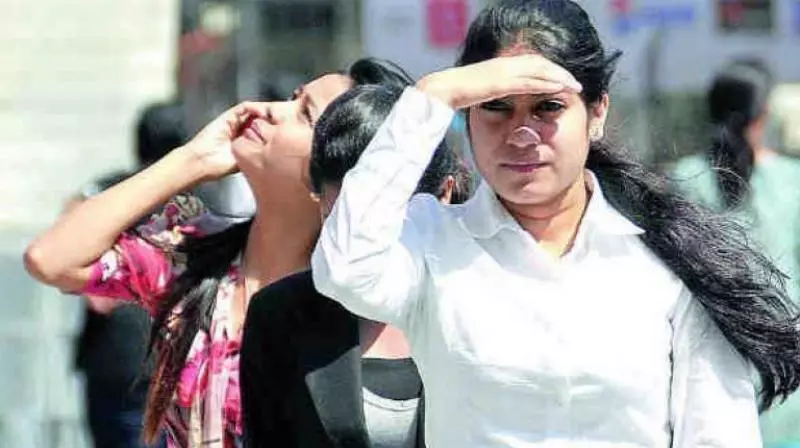
CHENNAI: With temperatures steadily climbing and weather forecasts indicating an above-normal summer, Chennai is preparing for what could be one of its toughest hot seasons in recent years. The city, already familiar with humidity-laden summers, is expected to face prolonged spells of high temperatures through April and May, prompting authorities to activate heat-mitigation measures across the city.
The India Meteorological Department (IMD) has indicated that Tamil Nadu may witness more frequent heatwave days this season. Weather experts caution that daytime temperatures in Chennai could cross the 40-degree Celsius mark during peak weeks, compounded by high humidity levels that intensify discomfort and health risks.
“We are expecting above-normal maximum temperatures during several spells. Vulnerable groups such as the elderly, children and outdoor workers must take precautions,” said a senior IMD official.
Chennai’s recent summers offer context for current concerns. In 2019, the city endured one of its harshest dry spells in decades. Water levels in reservoirs such as Poondi, Cholavaram, Red Hills and Chembarambakkam went critically low following a failed northeast monsoon in 2018, leading to severe water shortages and widespread tanker dependence. Temperatures that year frequently hovered near 40 degree Celsius, intensifying the crisis.
The summer of 2020, though slightly moderated by intermittent pre-monsoon showers, still saw maximum temperatures crossing 38–39 degree Celsius during peak weeks. Pandemic-related lockdowns temporarily reduced urban activity, but heat stress remained significant, especially in densely-built neighbourhoods.
In 2021 and 2022, the city recorded several heatwave-like spells during April and May, with temperatures touching or crossing 40 degree Celsius in parts of the metropolis and suburbs.
Meteorologists observed that humidity levels often pushed the “feels like” temperature several degrees higher. In 2023, early onset heat conditions in April once again raised alarms, prompting advisories on hydration and staggered outdoor work hours.
Last year, 2025, Chennai experienced multiple days of above-normal maximum temperatures during May, alongside high night time temperatures, a growing concern attributed to the urban heat island effect. Warmer nights reduce the body’s ability to recover from daytime heat stress, increasing health risks.
In response to this year’s forecasts, Greater Chennai Corporation (GCC) has initiated preparatory measures aimed at reducing heat stress in public spaces. Corporation officials say shaded structures will be installed at major traffic intersections and pedestrian-heavy zones to offer respite to commuters and street vendors. Temporary drinking water and buttermilk distribution points are also planned across key junctions. Corporation staff will also be provided buttermilk during peak heat hours.
“The preparedness is not just about temperature; it is about public comfort and safety. We are focusing on shade, hydration and awareness,” a senior civic official said.
Water security remains a critical concern as summer sets in. Chennai’s dependence on monsoon-fed reservoirs means that supply management becomes tighter as evaporation rates increase. Officials associated with the city’s water distribution system say contingency plans are in place to regulate supply and monitor storage levels closely.
“We are reviewing reservoir levels regularly and coordinating with various departments. Conservation at the household level is equally important,” a water resources department engineer said.
Electricity demand is another area under close watch. With air-conditioners and cooling appliances already running in many households, power consumption has begun rising earlier than usual.
Officials from the Tamil Nadu Generation and Distribution Corporation (Tangedco) acknowledge that peak summer demand could test the grid if heatwave conditions persist. They maintain that preparations are in place for higher loads, but responsible usage will help maintain stability.
Public health authorities are simultaneously stepping up awareness campaigns. Doctors warn that dehydration, heat exhaustion and heatstroke cases typically surge during prolonged hot spells. Government hospitals and urban primary health centres have reportedly been advised to remain alert for heat-related cases.
“Heatstroke can silently escalate into medical emergency if symptoms are ignored. Hydration and avoiding outdoor exposure during peak hours are simple but crucial precautions,” said a physician attached to a city hospital.
Activists, however, point to deeper structural challenges. Rapid urbanisation, shrinking wetlands and reduced tree cover have intensified the urban heat island effect in several neighbourhoods.
“Concrete retains heat and releases it slowly, making nights warmer. Increasing green cover and protecting water bodies are long-term solutions, not seasonal fixes,” said social activist R. Gunasekaran.
Residents across the city say they are already feeling the intensity. “Even early mornings feel warmer than usual,” said Priya Raman, a resident of West Mambalam. “We plan our errands before 10 am now. Afternoons are unbearable.”
Autorickshaw driver S. Kannan echoed the sentiment, saying, “Working on the roads during summer is very difficult. Shade and drinking water points help us continue our work.”
While civic authorities express confidence in their readiness, experts emphasise that climate resilience requires sustained, year-round planning rather than reactive measures.
