Aiming at Self-Sufficiency, TN to Focus on Green Energy Along With Thermal Power

Tamil Nadu, being one of the rapidly industrialised states, power demand keeps rising and electricity remains the main condition for attracting investments
CHENNAI: When Chief Minister C. Joseph Vijay reviewed the electricity situation at the Tamil Nadu Electricity Board (TNEB) headquarters in September, his major instruction to the officials was to attain self-sufficiency in power.
He instructed the officials to speed up actions to use renewable energy, power storage facilities, modern technology, strong electricity exchange and distribution structure together to attain self-sufficiency in electricity generation.
He also emphasised on completing the power production projects within the stipulated time to increase TNEB’s own production capacity.
The Chief Minister’s direction stems from the present situation in which the board faces a tough situation when the wind energy production went down while the mercury continued to rise in September.
Lack of self-sufficiency in power production is also forcing the government to purchase power from outside, increasing the expenses and causing strains on the finance of the department which is facing huge debts.
Tamil Nadu being one of the rapidly industrialised states, power demand keeps rising and electricity remains the main condition for attracting investments. The power usage goes up every year and the increase in consumption was 13 per cent higher this July, compared to the same month last year. In September last year, the peak demand was 17,500 MW, while it was 21,400 MW this year.
It aims to add up to its existing thermal and hydropower also, besides renewable energy, as it is the only way to attain self-sufficiency. One of the plans to reduce the energy burden is to instal roof-top solar panels on government buildings, schools, hospitals and local bodies buildings.
As on July 1 this year, the total installed capacity in Tamil Nadu was 46,846 MW. It comprises 18,498 MW from conventional energy sources, including thermal, gas, Central generating stations, power purchases, besides 28,348 MW from renewable energy sources, including hydro, wind, solar, biomass and co-generation.
With renewable energy forming a major share of energy supply, Tamil Nadu has a balanced energy portfolio while moving towards long-term environmental goals.
By 2031, the state government targets increasing the share of renewable energy to 50 per cent and the installation of battery energy storage system plays a vital part in the scheme. The Vision 2031 document, released in August this year, vows to improve the quality of electricity supply, promote clean energy, strengthen industrial growth, enhance consumer services and support the long-term economic development of the state.
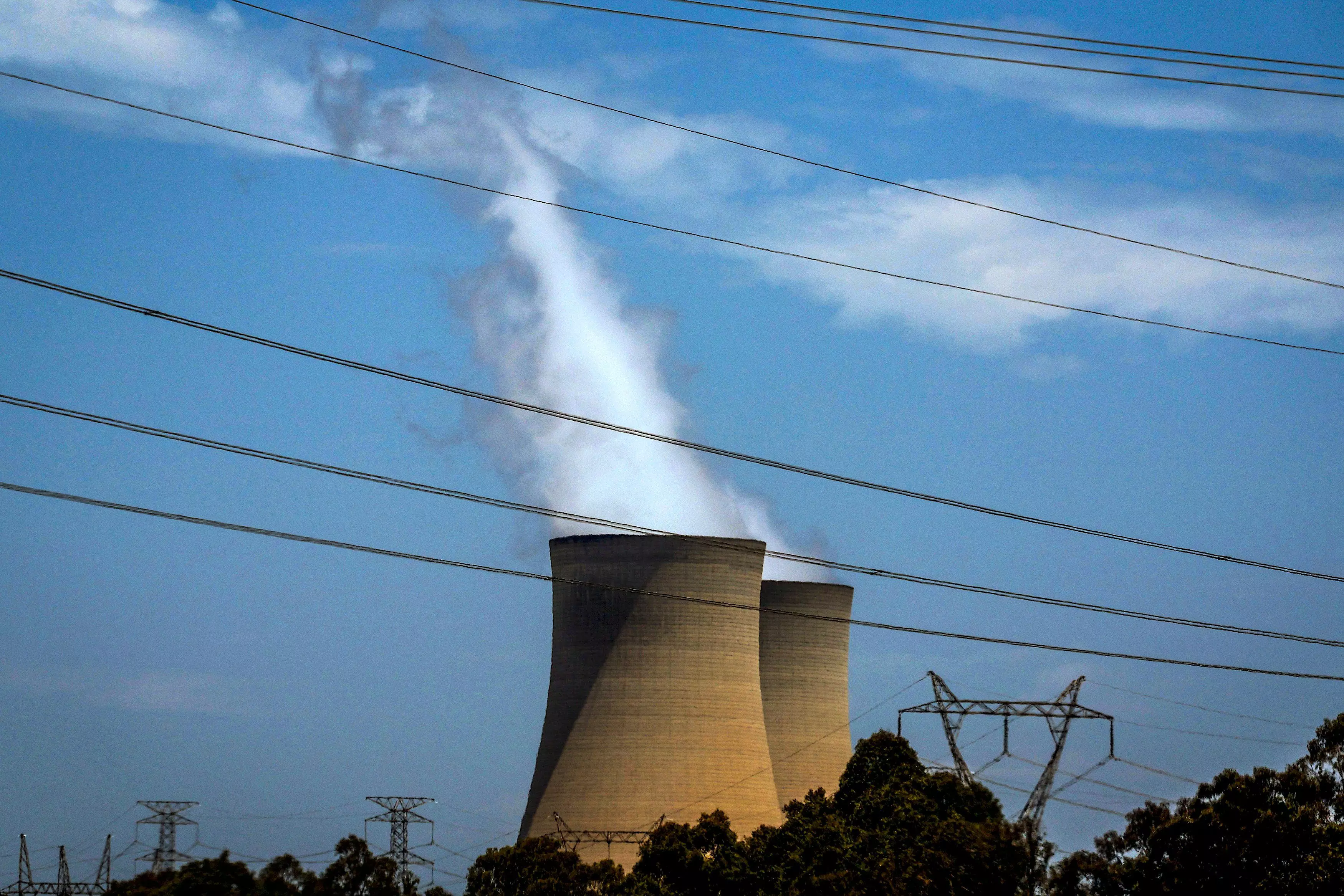
While increasing green energy is a long-term goal, the government continues to fall back on fossil fuel with focus on many thermal power plants. The Chief Minister has announced the installation of a thermal power plant in Thoothukudi to produce 800 MW of electricity.
The Udangudi power plant first unit now supplies power to the Tamil Nadu electricity grid. The second unit is not yet completed but it is in the final stages of construction and is expected to be commissioned before the summer months of next year to produce 660 MW.
This project is situated at Udangudi village in Thoothukudi district and the total project cost, including the interest during construction, is Rs. 14,571 crore. The project was delayed due to initial problems of the Covid pandemic and floods in Thoothukudi.
The two units, which will have 2X660 MW capacity will be a big addition to power generation for Tamil Nadu and reduce the dependence on power purchase from other agencies. The production of power from the thermal units will be used to provide uninterrupted power supply throughout Tamil Nadu during next summer.
The Udangudi project is a supercritical coal-fired power plant and its supercritical technology is more efficient since it uses lower coal for production of electricity. The plant will use a blend of 50 per cent imported coal from countries like Indonesia, South Africa and Australia, and 50 per cent domestic coal obtained from Talcher coal fields in Odisha.
According to the electricity department officials, the project includes a dedicated 8-km-long captive coal jetty with a pipe conveyor system for seamless coal transportation from ships to the plant. The project has reached an advanced stage and the trial operations have started. The first unit at least is expected to be operational within March and the next unit, in another few months.
Already, five thermal power units of the Tamil Nadu Power Generation Corporation Limited (TNPGCL) in North Chennai, Mettur and Thoothukudi have increased power production by 63.8 per cent in the last three years, reducing the need to purchase electricity from the open market and bringing down expenses.
The five thermal power stations generate 25,478 million units of power which is a steep increase, compared to the 15,553 million units in 2020-21. The TNPGCL owns the five thermal stations having a total installed capacity of 4,320 MW.
The Thoothukudi thermal power station has five units of 210 MW each and the first unit of them was commissioned in 1979 and the last came into operation in 1992. The Mettur thermal power station, located at Mettur dam, has four units of 210 MW each with a total installed capacity of 840 MW. Another thermal power station in Mettur has a single unit of 600 MW installed capacity. The North Chennai thermal power station, located in Tiruvallur district, has three units of 210 MW capacity with a total installed capacity of 630 MW.
TNPGCL is planning to bring up more stations to add to Tamil Nadu’s power production. The Ennore SEZ thermal station at Vayalur village in Ennore will generate 1,320 MW of power. Construction activities are under progress and the first unit is expected to be opened in August 2027 and the second, in October in the same year.
Another project, the Expansion Thermal Power project, is planned to produce 660 MW. The project is being executed under the public-private partnership mode and an e-tender has been floated for the long-term procurement of power.
The Uppur thermal power project, aimed to generate 1,600 MW power is located at Ramanathapuram. The project has run into trouble due to concerns of environmental degradation and was put on hold by the National Green Tribunal in March 2021 and later the stay was vacated by the Supreme Court. The department reviewed the project and is planning to take steps to revive the project or shift it to Udangudi.
More production of electricity will also improve the finances of the board which faces a debt of Rs. 2.5 lakh crore. The expenses of the department were about Rs. 60,000 to Rs. 70,000 crore three years ago. After the tariff revision by the department, the revenue went up to about Rs. 1 lakh crore but the expenses, too, increased by another Rs. 30,000 lakh.
The government is examining how the increase of expenses incurred and is taking steps for the abolition of corruption and middlemen by bringing transparency and simplicity in awarding tenders. The government is closing the gaps between the department and firms which are producing electricity. The government hopes that it does not need to purchase power from outside when more companies are ready to invest in energy production in Tamil Nadu itself.
