Kerala Faces The Challenge Of A Rising Elderly Population

State with the highest diabetic burden plans a geriatric overhaul
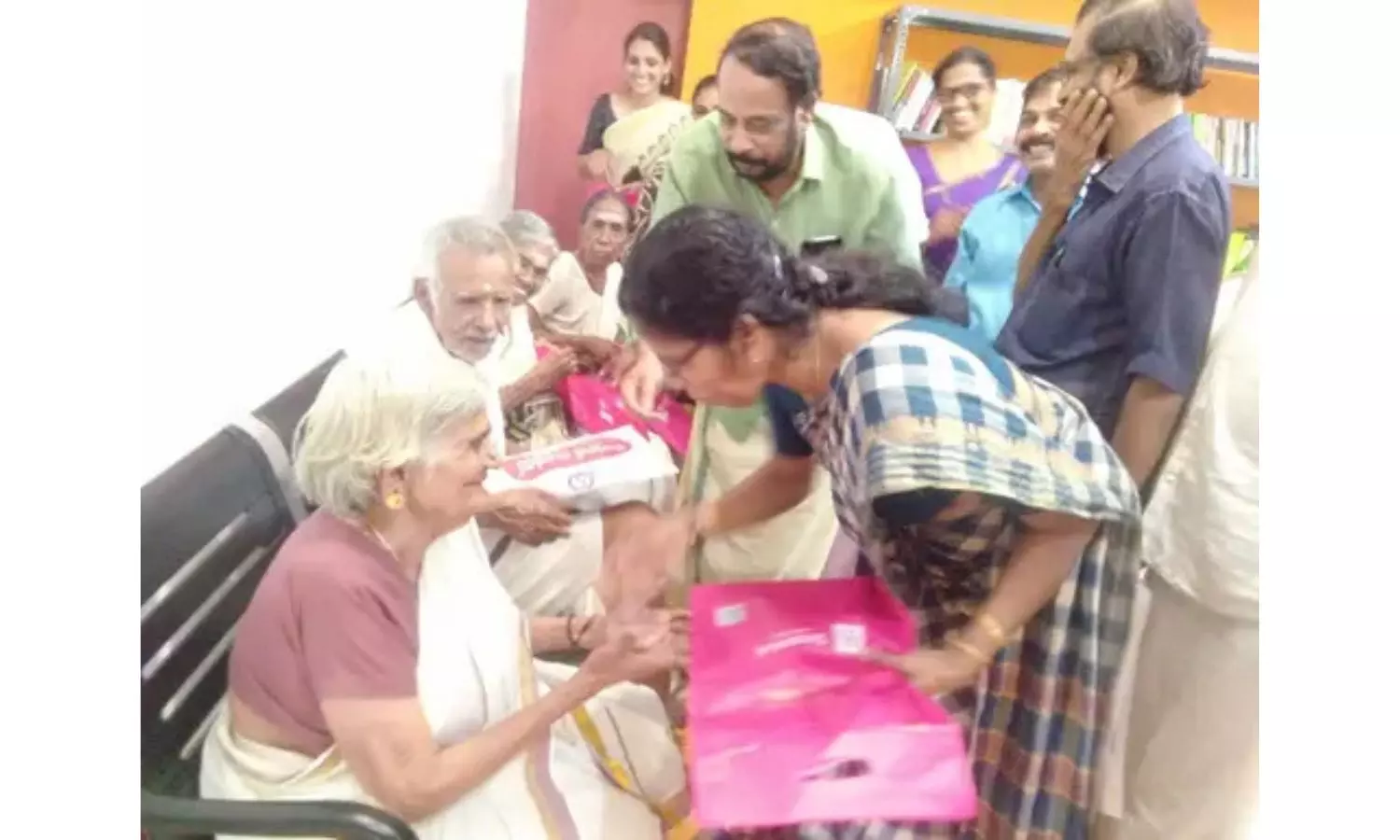
THIRUVANANTHAPURAM: Kerala Chief Minister V D Satheesan’s announcement after the first Cabinet meeting about creating a dedicated department for the elderly is promising, but delivering quality geriatric care in a state like Kerala will take massive effort and strong political will.
Kerala has the largest elderly population in the country, thanks to its longest life expectancy, yet it still lacks organised elderly care programs. With the elderly population projected to rise from the current 18.7 per cent to 22.8 per cent of the state’s total population in the next decade, there’s an urgent need for a comprehensive policy to address the core issues faced by senior citizens.
A significant reason for the high percentage of elderly residents is the decline in both birth and death rates. Many elderly people in the state deal with chronic conditions like diabetes, high blood pressure, high cholesterol, diabetic nephropathy, age-related eye problems, cataracts, muscular degeneration, diabetic retinopathy, and glaucoma.
Experts stress the importance of starting healthy ageing plans as early as age 30, which means adopting good lifestyle habits and managing chronic illnesses scientifically. Regular check-ups, yearly tests, and preventive vaccinations can go a long way in avoiding major health issues. Carefully choosing and combining medications, especially with age-related kidney function decline in mind, is also key to avoiding serious side effects.
High diabetic burden
International treatment guidelines for diabetes in the elderly, where targets for blood glucose, blood pressure, and cholesterol are set according to an individual’s remaining life expectancy, need to be included in elderly healthcare plans in Kerala as well. Poor diabetes management in younger years, often due to lack of awareness and high costs, is a major cause of multiple severe complications in old age, leading to over a fivefold increase in expenses and greater mental distress.
Kerala has the highest diabetes rates among large states in the country, with recent studies showing a prevalence of 25.56 per cent, followed by Tamil Nadu and Karnataka. Experts stress the need for daily physical activity in the elderly, yet less than 10% of seniors in India meet the recommended exercise levels. Non-medical interventions are key in geriatric care, as issues like depression, agitation, and sleep loss are common.
High proportion of widows among the elderly
In Kerala, another major concern is the high proportion of widows among the elderly, making up nearly 55% of this population. Many women spend their later years without the support of a spouse, often facing loneliness and a lack of proper caregivers. Experts believe it’s high time the psychosocial issues of elderly women living alone were addressed in a thorough way. Geriatric care remains one of Kerala’s biggest challenges, and while steps have been taken to improve its quality, much more needs to be done to ensure a better life for both the elderly and their caregivers.
The proposed department for the elderly should introduce a comprehensive policy to ensure a good quality of life, regular medical care, sustenance, and family support. Since elderly healthcare is not only costly but often prolonged due to chronic illnesses common in later years, the new policy must address all these aspects. Tackling the challenges of aging requires a multi-pronged approach involving policymakers, NGOs, healthcare institutions, and the general public. There’s also a need for dedicated doctors and social workers to establish an organized geriatric care program that ensures longer lifespans paired with a high quality of life.
