Mass Cancellations Of Flights To Gulf Countries Leave Kerala Airports Deserted

Prolonged conflict could seriously impact the Gulf remittances sustained Kerala economy
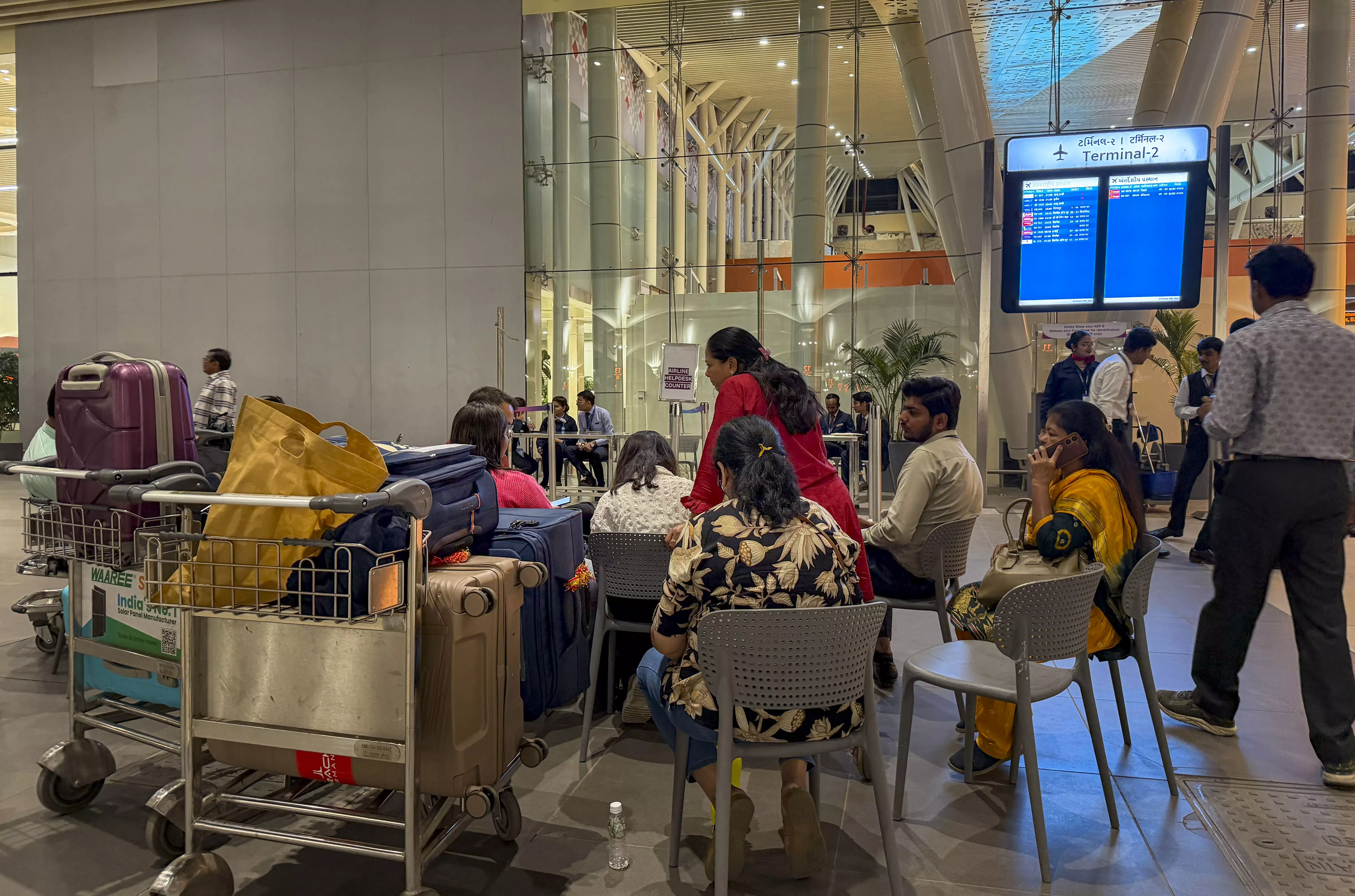
THIRUVANANTHAPURAM: Drone attacks by Iran in Gulf countries following the conflict in West Asia have triggered panic among people in Kerala, as lakhs of Malayalis work in the United Arab Emirates (UAE), Kuwait, Saudi Arabia, Qatar, Oman, and Bahrain.
A majority of the flights from Kerala to Gulf from the four major airports Thiruvananthapuram, Kochi, Kozhikode and Kannur remain cancelled since Satruday. With so many cancellations, the Thiruvananthapuram International Airport, Cochin International Airport, Karipur International Airport and Kannur airport looked deserted on Sunday. A total of 18 flights scheduled to depart from Thiruvananthapuram to the Gulf have been cancelled, along with 19 incoming flights to the city.
Over 30 flights have been cancelled at Karipur International Airport in Kozhikode, which is bustling this time of year with many travelers heading to Saudi Arabia for pilgrimage.
"I was supposed to fly to Saudi Arabia for work. We weren’t given any prior notice about the cancellation. Only after arriving here were we informed that the flight had been cancelled," said a passenger at the Kozhikode airport.
The situation in Cochin International Airport was no different with 16 flights to the Gulf Sector being cancelled.
A group of 20 people scheduled to travel to Oman have been waiting at the airport since Saturday evening.
“Many people had no idea about the cancellations. We just hope the flights resume today,” said a person at Cochin airport.
Kozhikode District Congress Committee president Pravin Kumar, who is in Bahrain to attend a function, said the situation remains tense. "I was scheduled to return to Kozhikode on Saturday but couldn’t due to the cancellation of my flight," he said.
"Today things are better. Yesterday, we were hearing loud explosions at 30-minute intervals. There have been no fresh explosions," he said,
“There have been a few isolated incidents, with drone and missile attacks reported. Most of these result in fires and loud noises as they’re being neutralized. Life here continues much as usual, though the UAE government has advised against unnecessary outings. For those living here, the best thing to do now is to follow that advice closely,” wrote Dr. Soumya Sarin, a Malayali doctor based in Sharjah, in a Facebook post.
Ashok Kumar, a Malayali who has lived in Bahrain for 35 years, told a news channel about the current situation. “Last night, there were drone attacks in several areas connected to US military bases. Today, many people are working from home. A lot of Malayalis want to send their families back to Kerala, but there are no flights. In some areas, people have started panic buying.”
The Non-Resident Keralite Affairs Department (NORKA) has set up helpdesks to assist Malayalis.
Malayalis in need of help can register by contacting the NORKA Global Contact Centre helpdesk at +91-8802012345 (international missed call) or 18004253939 (toll-free from India).
Conflict can seriously affect Kerala’s economy
The ongoing Gulf crisis could seriously affect Kerala’s economy. As per the Kerala Migration Survey 2023, more than 90 percent of Kerala’s emigrants live in the Middle East, mainly in Gulf Cooperation Council (GCC) countries such as the United Arab Emirates (UAE), Kuwait, Saudi Arabia, Qatar, Oman, and Bahrain. The UAE alone is home to over 7 lakh Malayalees, with most settled in Dubai, Sharjah, and Abu Dhabi.
The UAE and Kuwait together make up nearly half of the Malayali diaspora in the Gulf. Non-resident Keralites, especially those working in Gulf countries, play a big role in keeping Kerala’s economy strong. The state receives around 1.2 to 1.3 lakh crore rupees annually in remittances, with about 55 to 60 percent of this coming from GCC nations. In other words, Malayalis in the Gulf send back roughly 65,000 to 75,000 crore rupees each year.
