Brain-Eating Amoeba Kerala Revises Death Toll, Confirmed Cases

The health department has faced huge criticism for allegedly minimising the severity of the disease. As cases of suspected PAM have been reported more frequently, there has been mounting pressure on health authorities to provide accurate figures.
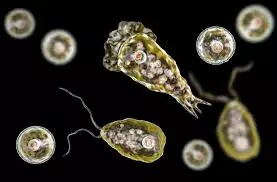
THIRUVANANTHAPURAM: After previously downplaying the number of fatalities from primary amoebic meningoencephalitis (PAM) , the Kerala health department has revised the death toll related to the infection, commonly referred to as brain-eating amoeba.
As of September 10, the official data from the department indicated two deaths and 18 confirmed cases of PAM. However, a more recent report published by the State Surveillance Unit on September 12, updated the total number of confirmed PAM cases to 66 and the death toll to 17.
The health department has faced huge criticism for allegedly minimising the severity of the disease. As cases of suspected PAM have been reported more frequently, there has been mounting pressure on health authorities to provide accurate figures.
The reported cases include four from Karnataka and Tamil Nadu, with three detected at Thiruvananthapuram Medical College.
Panic has spread in many parts of the state, especially in Kozhikode and Malappuram districts, which reported the largest number of cases. Seven deaths have been reported this month.
Opposition Leader V D Satheeshan took the government to task for its failure to effectively tackle the infection and protect lives.
He accused the health minister and the department of being completely clueless about the origin of the infection, prevalence and groping in the dark regarding a protocol for treatment, control and prevention of the disease.
Health Minister Veena George, however, has refuted the opposition charge. She attributed the high number of cases to the state's robust health care system as people with suspected symptoms are seeking medical assistance at the early stage itself.
While the fatality rate for PAM in developed countries is over 95 percent, in Kerala it is significantly low, she added.
Experts have identified the PAM as a major public health emergency in Kerala, as water bodies, wells, canals, ponds, swimming pools and water theme parks could be a potential source for amoebic infection. Last month, the health department invoked the Public Health Act 2023 to tackle the increasing cases. Specific directions have been issued for proper chlorination and cleaning of swimming pools in public spaces, private hotels , resorts , tourist destinations, water theme parks and removal of garbage from ponds and river banks.
What is primary amoebic meningoencephalitis ?
Amoebic encephalitis is a rare but lethal infection of the central nervous system caused by free-living amoeba found in freshwater bodies. Primary amoebic meningoencephalitis (PAM) is typically caused by infection with Naegleria fowleri, a microscopic amoeba often referred to as the "brain-eating amoeba."
This infection destroys brain tissue, leading to severe brain swelling and fatalities in most cases.
Symptoms of PAM include severe headache, mild to high fever, stiff neck, sensitivity to light, disorientation, seizures, nausea and vomiting.
Diagnosis: Cerebrospinal fluid analysis (CSF analysis) is an effective method that includes a series of laboratory tests for determining the chemical composition of the fluid surrounding and protecting the brain and the spinal cord. It is an important diagnostic tool for central nervous system infections and other similar conditions.
With the increase in patients diagnosed with primary amoebic meningoencephalitis, there are growing concerns in the health sector. In light of these developments, it is widely agreed that effective protocols are essential to combat the spread of PAM in the state.
