Siddaramaiah Rules Out Date Extension Of Ongoing Socio-Economic Survey

Siddaramaiah asked officials concerned to begin enumeration in Bengaluru without delay in the city and wanted enumerators to cover “every single family in the State”: Reports
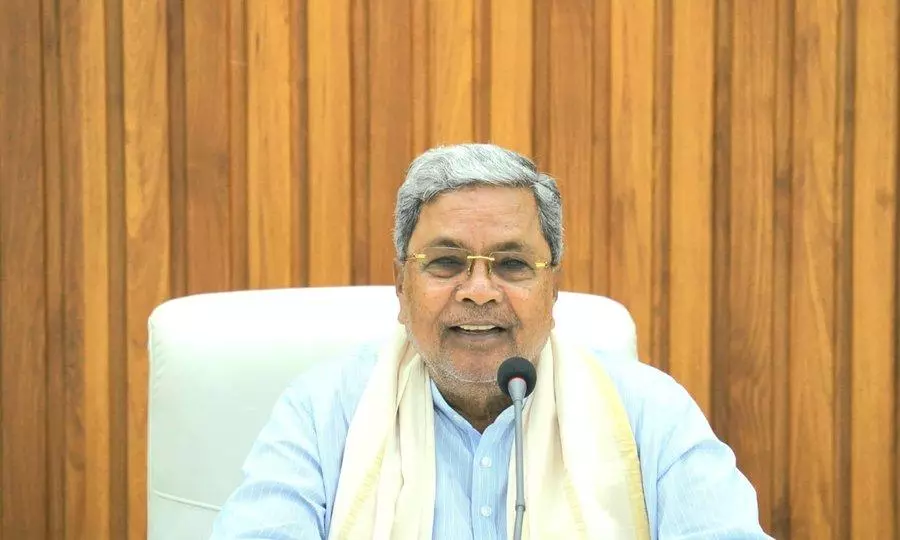
BENGALURU: Enumerators (teachers) taking part in the socio-economic and educational survey have covered only 2.76 lakh families since the survey began in the State on September 22 and taking note of the survey moving at a snail’s pace, Chief Minister Siddaramaiah on Friday stressed “a significant push is required.” He ruled out extending the survey.
The Chief Minister outlined multiple approaches for comprehensive coverage of households in the survey and asked Regional Commissioners to monitor the progress of the survey on a regular basis to ensure timely completion of the survey within stipulated October 7 to cover as many as 1.43 crore families.
Holding a meeting with Deputy Commissioners and Chief Executive Officers of Zilla Panchayat, Chief Minister Siddaramaiah directed them “to achieve a daily progress rate of at least 10 percent to meet the set target.”
The survey embarked upon by Karnataka State Commission for Backward Classes has deployed over 1.2 lakh. He warned the enumerators against any negligence in gathering data during the survey and cautioned them of initiating legal action if found to be negligent.
“Initially technical glitches have been resolved,” said the Chief Minister and ordered officials to give impetus to the survey. While the survey has begun in districts, the Chief Minister said the socio-economic and educational survey started in Bengaluru on Friday and the survey aims to cover nearly 50 lakh households in Bengaluru city.
Siddaramaiah asked officials concerned to begin enumeration in Bengaluru without delay in the city and wanted enumerators to cover “every single family in the State.” He told enumerators to “ensure no household is left out in the survey.”
Regarding enumerators having trouble in accessing hilly regions, the Chief Minister stated to establish survey centres in nearby schools for the convenience of the people and stressed on the need to promote online facilities to encourage people’s participation in the survey.
“If households are locked during the initial survey, enumerators must make return visits to such houses for comprehensive coverage of all the households,” he directed.
