Karnataka Resurvey Identifies 23,395 Former Devadasi Women
The report, prepared by the Department of Women and Child Development and Empowerment of the Differently Abled and Senior Citizens, along with the Karnataka State Women’s Development Corporation, has now been submitted to the State government.
Belagavi: A comprehensive resurvey of former Devadasi women in Karnataka has identified 23,395 women across 15 districts and mapped the social and economic conditions of over 90,000 family members belonging to the first, second and third generations. The data will help the government frame rehabilitation and welfare measures for the community.
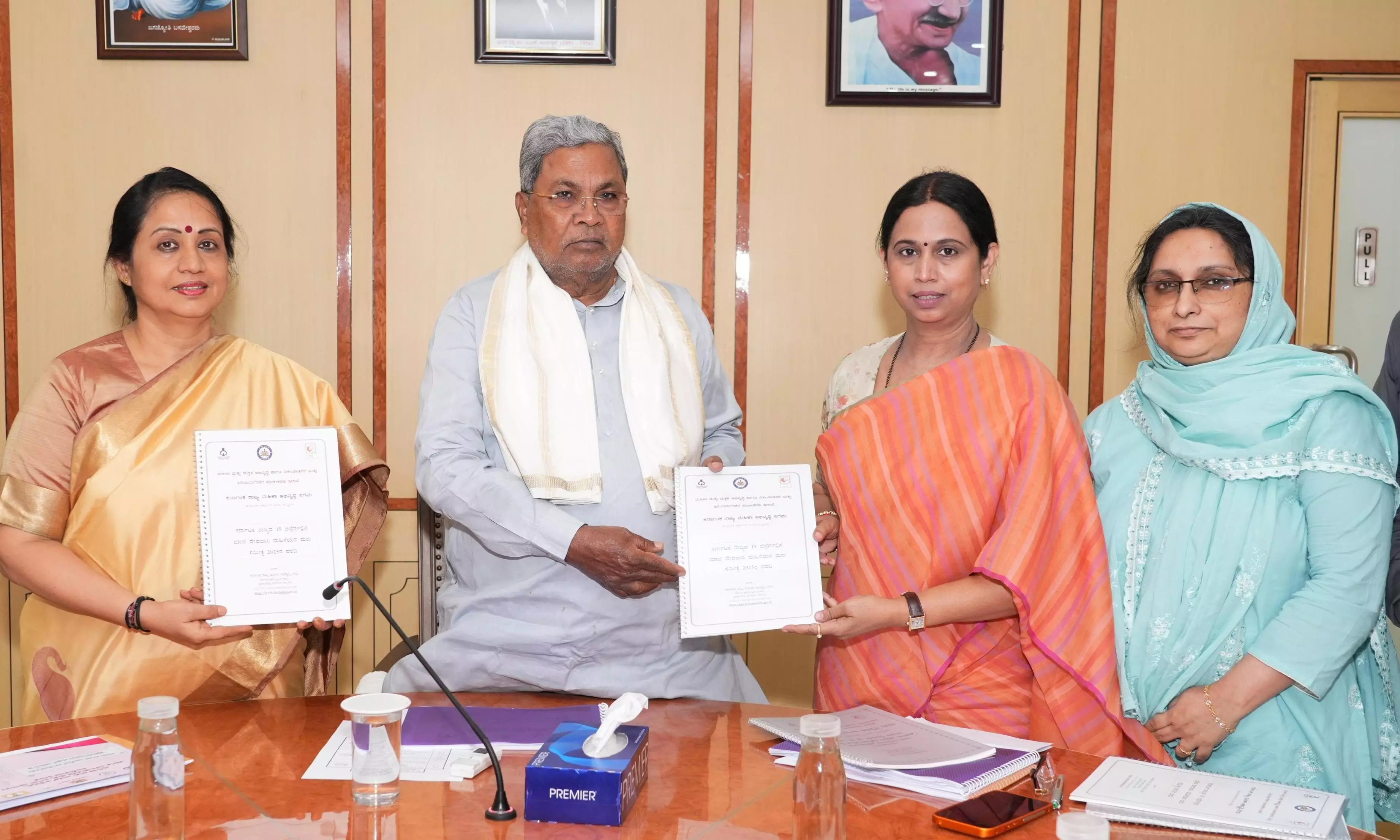
The report, prepared by the Department of Women and Child Development and Empowerment of the Differently Abled and Senior Citizens, along with the Karnataka State Women’s Development Corporation, has now been submitted to the State government. Women and Child Development Minister Laxmi Hebbalkar handed over the report to the Chief Minister on Tuesday.
According to the report, the top five districts with the highest number of former Devadasi women are Bagalkot (4,189), Vijayanagara (3,876), Belagavi (2,649), Koppal (2,469) and Ballari (2,333).
Based on its findings, the report has made wide-ranging recommendations covering former Devadasi women and their families across the first, second, and third generations.
On social rehabilitation, the survey report has recommended providing financial incentives to encourage marriage and inter-caste marriage among former Devadasi women and the children of the first, second and third generations, and to organise awareness programmes in society to ensure that this social evil is not perpetuated under any circumstances. It has also suggested that the government should announce a “special package” for their rehabilitation.
In the education sector, it has suggested special scholarships, hostel facilities, and coaching for competitive examinations, and proposed that schools and colleges should not insist on mandatory mention of the father’s name in application forms. For health and livelihood, it has recommended wider coverage under government health schemes, distribution of Ayushman Bharat cards, and financial support and training for self-employment, agriculture, and animal husbandry.
“A resurvey was conducted to assess the condition of former Devadasi women and family members belonging to the first, second, and third generations in 15 districts of the State, and to collect accurate data to facilitate their rehabilitation and ensure the delivery of government benefits. Based on the report now submitted, the government will take further action,” Minister Laxmi Hebbalkar said.
The resurvey was conducted between September 15 and December 31, 2025, covering Belagavi, Vijayapura, Bagalkot, Raichur, Koppal, Dharwad, Haveri, Gadag, Kalaburagi, Yadgir, Chitradurga, Davanagere, Shivamogga, Ballari, and Vijayanagara districts.
The exercise was undertaken to update and correct earlier data by including women who had been left out of previous surveys and by collecting fresh information on their age, education, income, health, land ownership, employment, skill training, and access to basic facilities. It also documented details of their children, grandchildren, and great-grandchildren to assess the long-term social and economic impact of the practice across generations.
