Karnataka Moves To Tackle Summer Water Shortage

New borewells will be drilled in unavoidable cases based on technical recommendations from geologists.
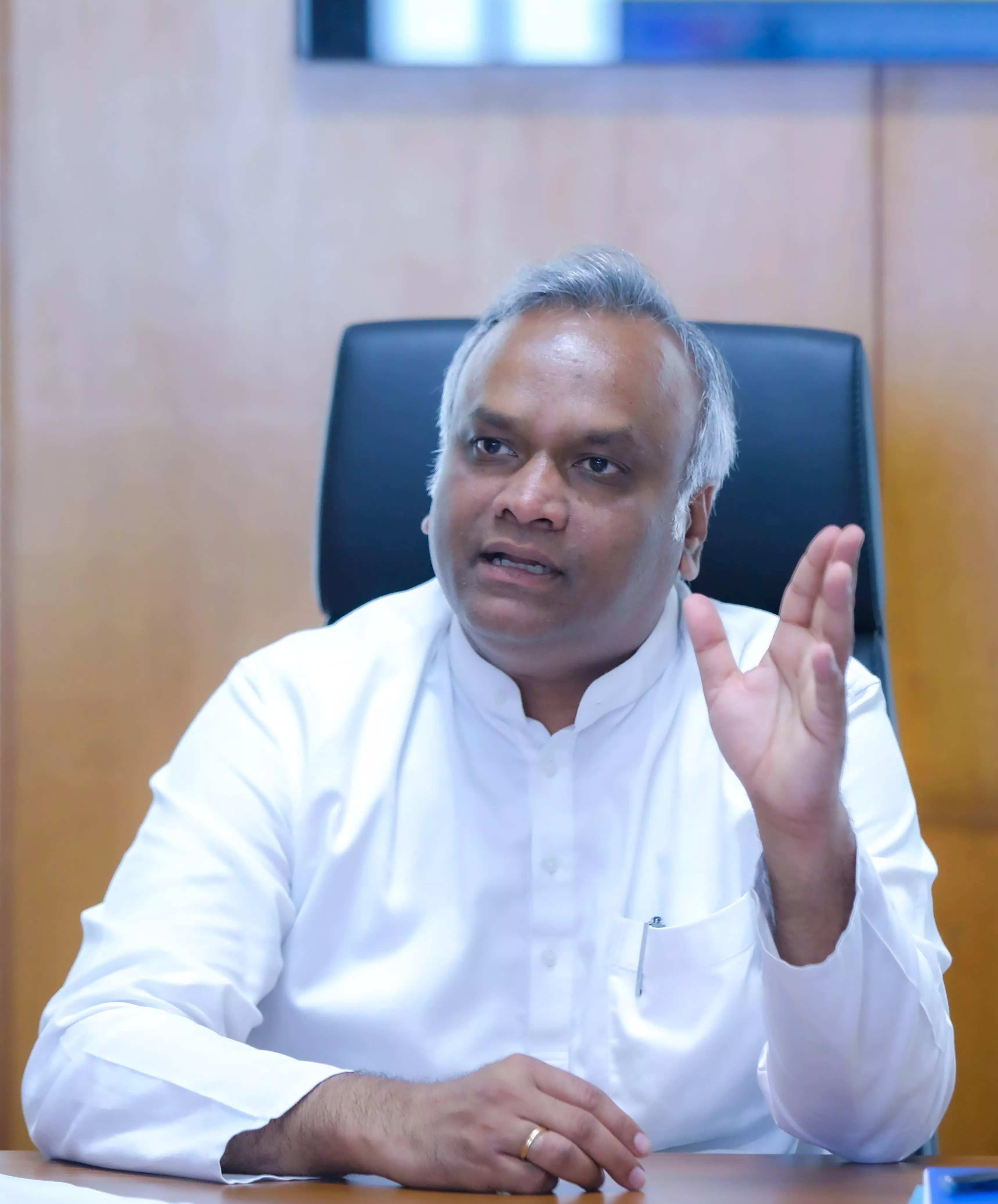
Kalaburagi: The Karnataka government has initiated measures to tackle potential drinking water shortages in rural areas ahead of summer, directing district administrations to arrange tankers, hire private borewells, and restore dried water sources. As many as 183 villages across 144 taluks in 21 districts are already facing scarcity in the state.
Rural Development and Panchayat Raj Minister and Kalaburagi district in-charge Priyank Kharge said that drinking water shortage has already been reported in 183 villages across 144 taluks in 21 districts of the state. Of these, 31 villages are being supplied water through 96 tankers, while 152 villages are being provided drinking water by hiring 154 private borewells on a rental basis.
“During March 2026, about 1,053 borewells are expected to be repaired through flushing and deepening, and in emergency situations, new borewells may also need to be drilled. All district administrations have been directed to take priority action in this regard,” he said.
New borewells will be drilled in unavoidable cases based on technical recommendations from geologists.
To ensure that rural areas across the state do not face drinking water problems during the summer of 2026, funds required for emergency works will be mobilised and utilised from the Central and State Drought Relief Funds, as well as the department’s Task Force funds.
“To address the drinking water shortage likely to arise during the summer in rural areas of the state, the Chief Executive Officers of Zilla Panchayats in all the districts have been instructed to give priority to hiring private borewells on a rental basis and to supply water through tankers wherever necessary,” Kharge said.
The minister has instructed Gram Panchayats, Taluk Panchayats, and district administrations to coordinate closely and take necessary measures to effectively manage and maintain drinking water supply in rural areas.
To ensure the supply of safe drinking water, Gram Panchayats and village-level authorities have been instructed, as a primary step, to immediately collect samples from all drinking water sources and conduct water quality tests from at least three tap water connections in each village, and to record the information accordingly. They have also been directed to take appropriate steps to clean all overhead drinking water storage tanks (OHTs) in accordance with the prescribed guidelines, the minister explained.
