Water Shortage Continues in Krishna River Basin Despite Rains Upstream

Poor Krishna basin storage impacts irrigation despite upstream rainfall
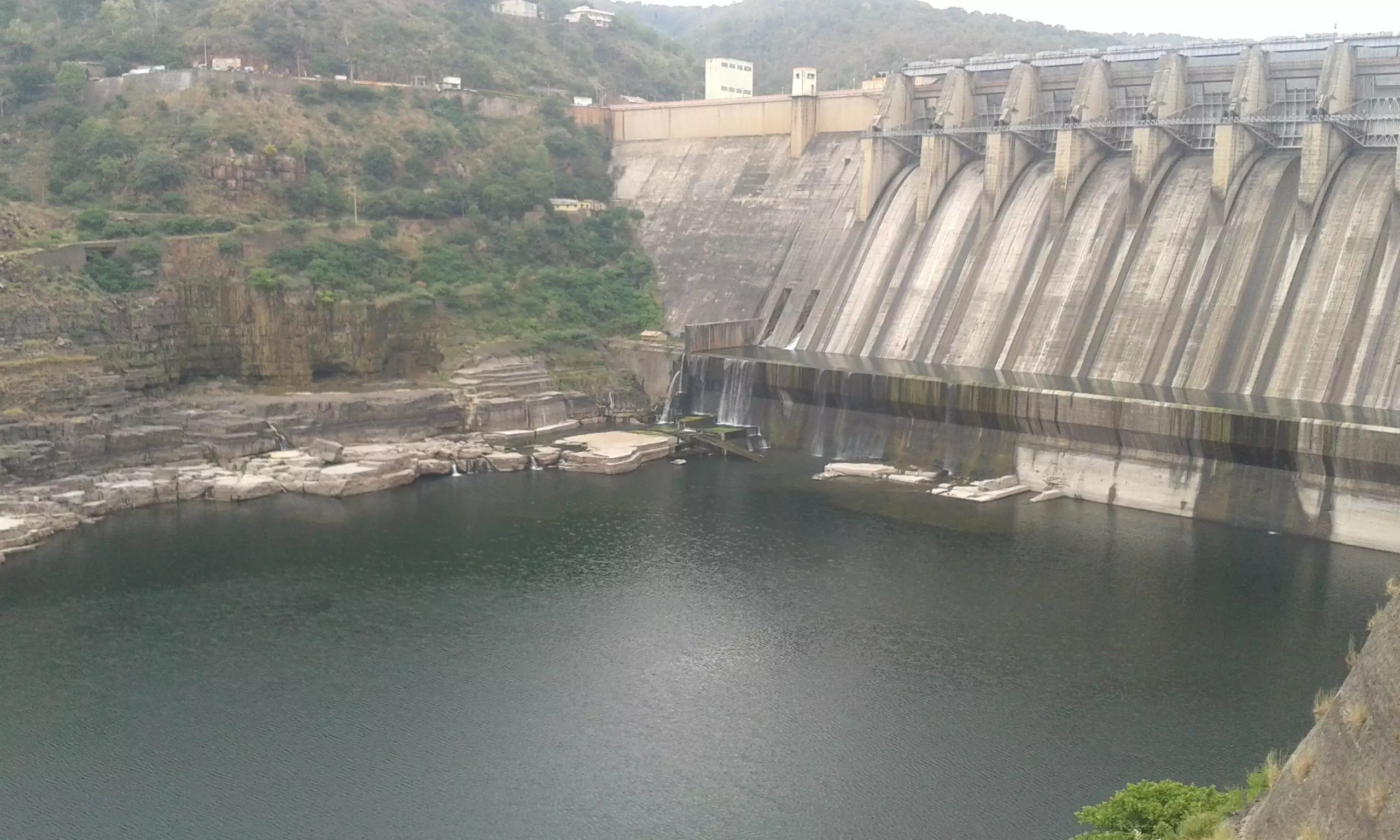
Anantapur: The adverse impact of El Nino has been quite severe, particularly on the Rayalaseema region of AP. Despite rains in the upstream areas of the Krishna River basin, water is only trickling into the state’s reservoirs.
On Friday, the Tungabhadra Reservoir received inflows of 44,782 cusecs with the average yield being 8.76 TMC feet. Last year, the inflow had been 98.47 TMC feet. The Tungabhadra (TB) Dam presently has 17.51 TMC feet of water as against the total capacity of 105 TMC feet. Last year, the reservoir capacity had been 75.93 TMC feet.
TB dam superintendent engineer K. Narayana Naik told Deccan Chronicle that the reservoir is receiving inflows, which would hopefully improve. “Once water levels improve in coming days, there will be a possibility of increasing water allocations to all canals,” the SE indicated.
Presently, TB dam authorities have restricted out flows to only 180 cusecs as against 45,492 cusecs last year. This appears to be the least outflow in the past 10 years.
In Krishna basin reservoirs, the current storage is only 235 TMC feet, which is only 33 per cent as against 494.57 TMC feet or 71per cent during the last year. Srisailam Reservoir has only 42 TMC feet with no inflows, as against its gross storage capacity of 215 TMC feet.
Poor storage in Srisailam has impacted the Handri Neeva Sujala Sravanthi and Galeru Nagari projects of Rayalaseema region. The tail-end parts of Rayalaseema –Kuppam, Kadiri, and Madakasira – are facing adverse conditions.
