Vizag’s IGZP Records 128 Animal And Bird Births; Boosts Zoo’s Conservation Push

Visakhapatnam’s IGZP recorded 128 animal and bird births, including striped hyenas, star tortoises, wild boars and red jungle fowls, strengthening conservation efforts.
The breeding and conservation programmes at Indira Gandhi Zoological Park (IGZP) in Visakhapatnam have received a boost with a remarkable birth of 128 animals and birds born in captivity. The births span a wide range of species, reflecting both diversity in the zoo’s collection and the success of its scientific management practices.
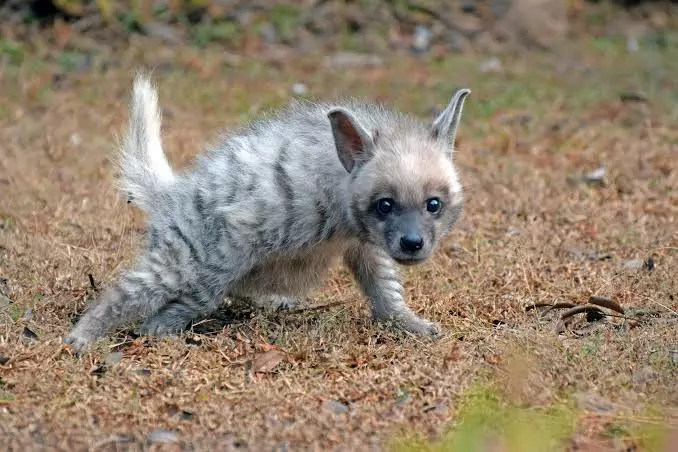
The new births in recent times include one bison, 40 star tortoises, 35 wild boars, 20 spotted deer, 10 red jungle fowls, five sambar deer, seven Indian peafowls, three striped hyena cubs, two Indian porcupines, two grey pelicans, one blue‑gold macaw, and two marmosets.
The zoo’s veterinary team has played a central role in these achievements, particularly through the use of artificial incubation techniques. Ten red jungle fowl chicks have successfully hatched after 21 days of careful monitoring under controlled temperature and humidity conditions.
Similarly, a blue‑gold macaw chick has been incubated in a specially designed chamber maintaining the precise heat and moisture levels. Following its hatching, the chick is being hand‑reared, with close attention to its nutrition and health. This has ensured its survival during the critical early stages.
Equally significant is the birth of three striped hyena cubs to a female named Divya. The striped hyena, listed as Near Threatened on the IUCN Red List, is an important scavenger species that helps maintain ecological balance. The cubs have now emerged from their den and are being nurtured by their mother, while veterinary staff and animal keepers continue to monitor their growth and well‑being.
The arrival of two marmosets, among the smallest primates in the world, highlights the zoo’s ability to manage sensitive species that require precise environmental regulation, stable social groups, and specialised diets. Officials said that nutritious food and supplements are being provided to support their health and reproductive success.
Curator G. Mangamma credited the veterinary team’s expertise and commitment for the successful breeding outcomes. She emphasised that the zoo remains focused on conservation breeding and wildlife protection while ensuring safe, naturalistic habitats for its animals. The births, she said, reflect the high standards of animal husbandry and scientific care maintained at the facilities within the zoo.
Visitors are already showing keen interest in the newborns, many of which have been released into their enclosures under careful supervision. The zoo hopes that these additions will not only strengthen conservation efforts but also inspire greater public awareness about the importance of protecting wildlife.
