Tirumala Hills, Vizag Erramatti Dibbalu, Reach UNESCO Tentative List

The Eparchaean Unconformity in the Tirumala Hills is a geological feature of immense natural and aesthetic significance.
Visakhapatnam:The natural heritage of Tirumala Hills, including the Eparchaean Unconformity located in Tirupati district, and Erramatti Dibbalu along the Visakhapatnam beach road, have been included in the UNESCO tentative list of World Heritage Sites.
The Eparchaean Unconformity in the Tirumala Hills is a geological feature of immense natural and aesthetic significance. The term Eparchaean Unconformity refers to a rare and fascinating geological boundary that represents the interface between ancient Precambrian rocks and the much younger overlying geological formations. Tirumala Hills, located in the Eastern Ghats, offer some of these stunning landscapes.
The natural arch of Tirumala Hills, also known as Silathoranam, is a unique rock formation located near the Tirumala Venkateswara Temple. It is a rare geological wonder and one of the very few natural rock arches in Asia. The arch is believed to be over 1.5 billion years old, naturally formed due to the erosion and weathering of quartzite rock. It measures about 8 metres (26 feet) in width and 3 metres (10 feet) in height.
The arch is considered sacred by Hindus, as it resembles traditional temple gateways (Thoranam), and is associated with Lord Venkateswara. Located one km from the Tirumala Temple, the site is a popular attraction for pilgrims and nature enthusiasts. The area surrounding the arch is serene, making it an excellent spot for exploration.
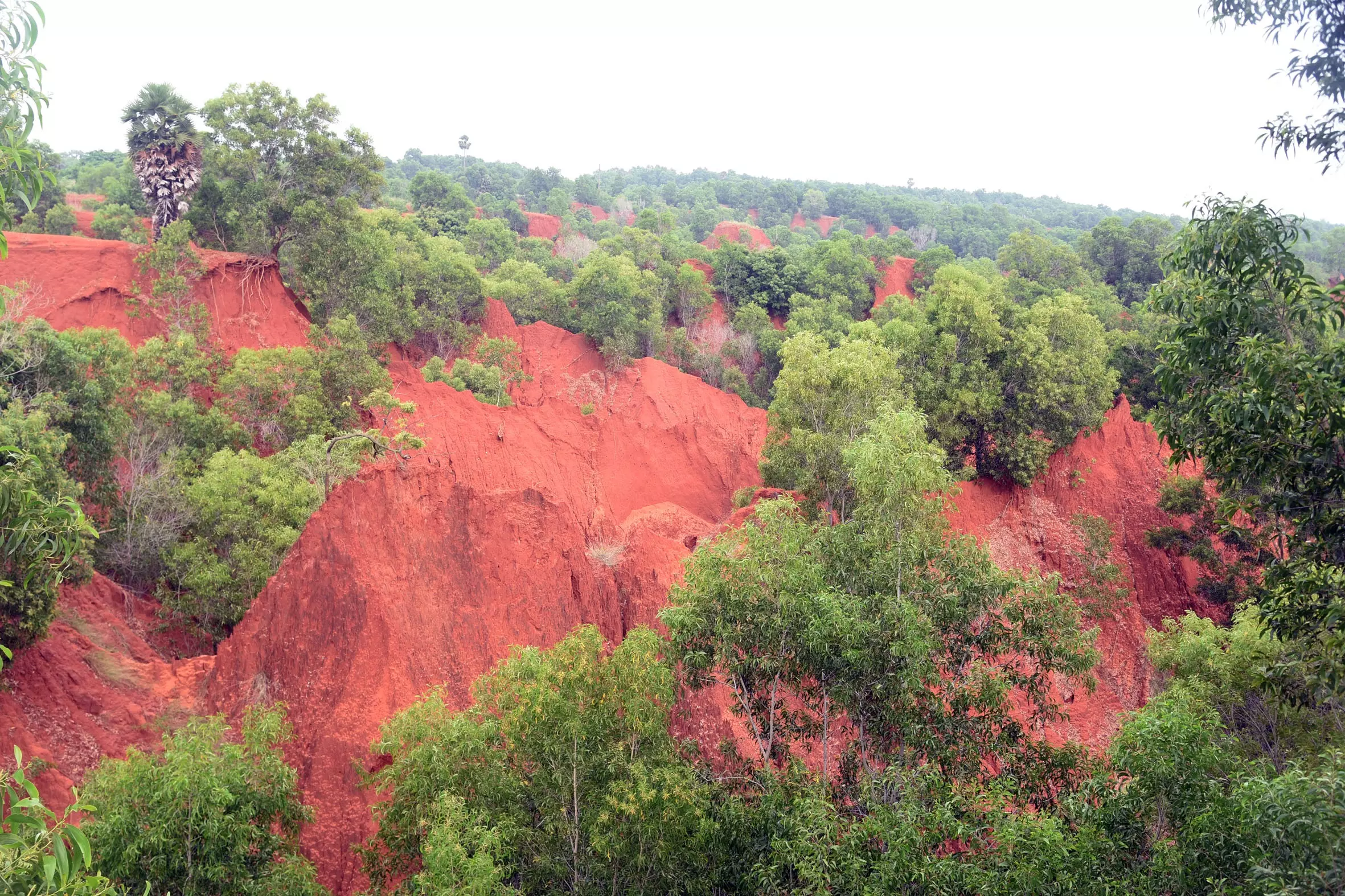
The Yerramatti Dibbalu (Red Sand Hills), located on the Visakhapatnam beach, officially entered UNESCO’s World Heritage tentative list as a natural heritage site on August 27, 2025.
These Red Sand Hills, spread across over 1,500 acres, stand as evidence of geological history from the quaternary age that began nearly 2.6 million years ago and continue to the present day. They bear witness to fluctuations in sea levels and climatic changes.
Formed from a mixture of sand, silt and clay; these reddish mounds shine in a unique red colour due to natural oxidation.
As the site suffers damage from tourism and film shootings, protection and conservation measures have become essential, environmentalists say.
