Tax Cannot Be Levied for Vehicles Not Used in Public Places: SC

Court rules tax is linked to road use, orders refund in AP case
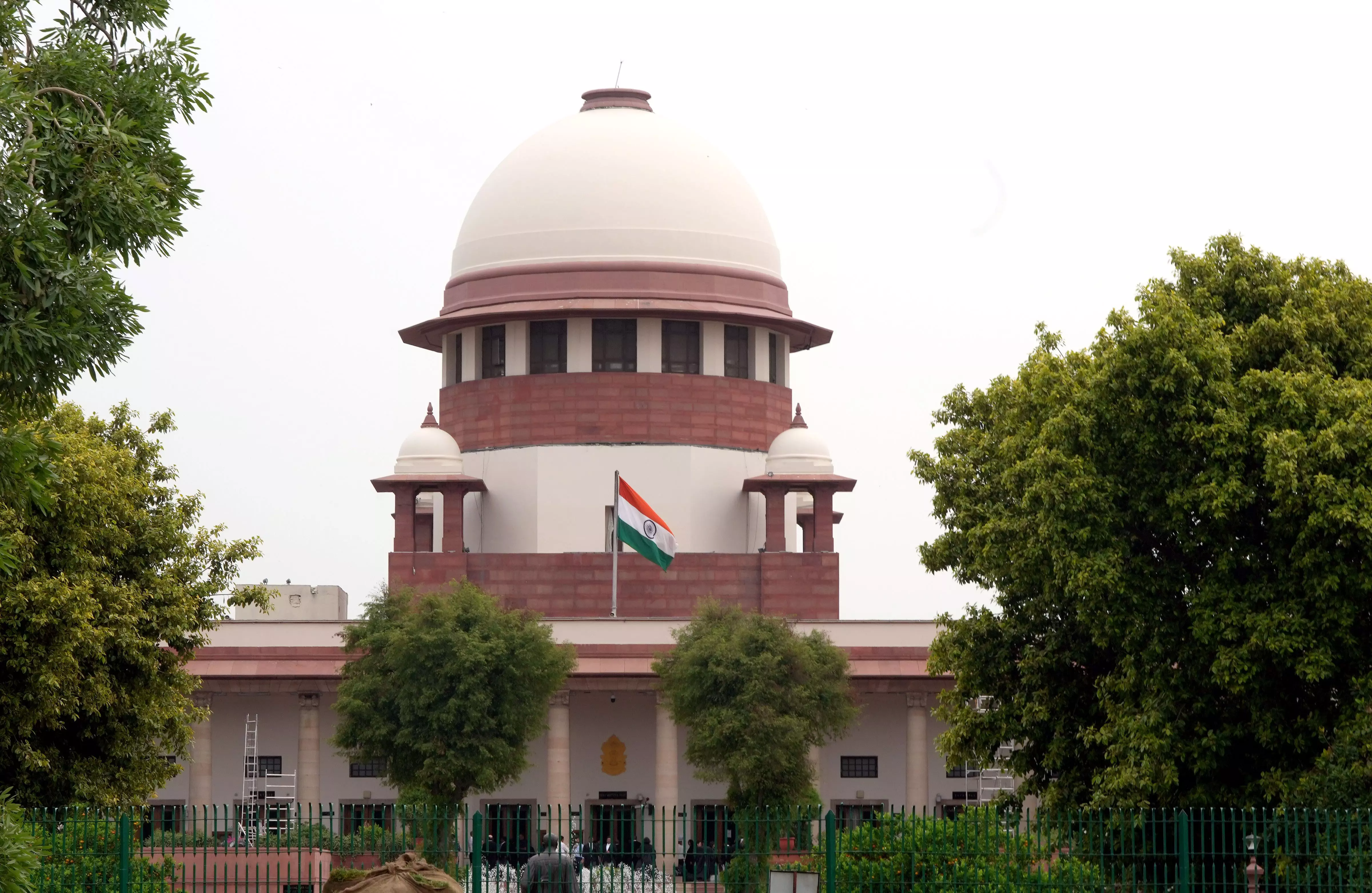
Vijayawada: The Supreme Court has ruled that a motor vehicle tax cannot be levied if a vehicle is not used in a public place.
The bench comprising Justices Manoj Misra and Ujjal Bhuyan upheld a refund order for taxes paid under protest, clarifying that the tax is compensatory and linked directly to the use of public infrastructure like roads and highways.
The court stressed that if a motor vehicle is not used or kept for use in a public place, the owner should not be burdened with motor vehicle tax for that period.
The apex court set aside the AP high court division bench order and restored the single judge’s decision directing a refund of `22.71 lakh paid as motor vehicle tax by the appellant company.
The verdict came from a dispute involving a logistics company that operated vehicles exclusively within the central dispatch yard of Rashtriya Ispat Nigam Ltd’s Visakhapatnam steel plant. The company argued that its vehicles were confined within the restricted premises, which did not qualify as a ‘public place’ under Section 3 of the AP Motor Vehicle Taxation Act, 1963.
Despite demands by the motor vehicle inspector and payments made under protest, the company sought exemption from tax for the period their vehicles were used solely inside the RINL premises.
Citing the definition of ‘public place’ from the Motor Vehicles Act, the court observed that the RINL premises “are a closed area with restricted access and not a public place.”
The court also rejected the tax authorities’ argument based on Rule 12A, stating that this rule cannot override the statute’s charging section.
