Rs.80 Cr Tender Floated for TB’s New Crest Gates

The lifespan of the crest gates was estimated at 45 years, but they have been in operation for over 70 years without replacement
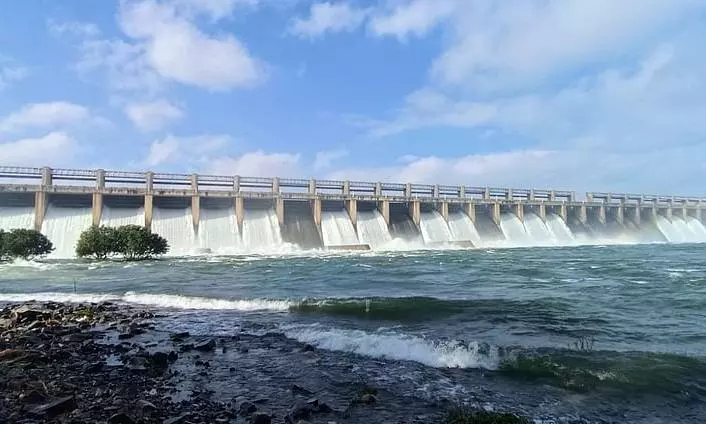
Anantapur: In the wake of last year's damage to the 19th gate during the peak monsoon season, the Tungabhadra Board has decided to replace all 33 crest gates of the Tungabhadra (TB) Dam. Based on the recommendations of an expert committee that reviewed the dam's safety, the replacement will be undertaken during the upcoming dry season to avoid disruptions to irrigation and water supply.
The Tungabhadra Dam authorities have floated tenders worth ₹80 crore to replace 32 gates, while the 19th gate, which was washed away last year, has already been allotted to an Ahmedabad-based company for ₹1.6 crore, with completion expected by June. The tenders for the remaining gates will be open for bidding until April 28, and the final contract is expected to be awarded by May 2. The project is slated to be completed in a phased manner over 15 months.
As per the cost-sharing arrangement for this inter-state project, Karnataka will bear 55 per cent of the expenditure and the combined Andhra Pradesh (including Telangana) will contribute 45 per cent. Experts have warned that the replacement must be done only in the dry season due to the high risk posed by the aging gates.
The lifespan of the crest gates was estimated at 45 years, but they have been in operation for over 70 years without replacement. The weakened gates led to the failure of the 19th gate last year, resulting in massive water loss. Experts have also advised against storing more than 80 TMC ft of water in the dam, against its full capacity of 105 tmc ft, to prevent structural damage.
Currently, 30–60 per cent of the gates are reportedly in poor condition, forcing the board to incur high maintenance costs. As a precaution, water will be released for only one crop during the upcoming irrigation year instead of two. The Tungabhadra Dam serves as a crucial water source for irrigation over 9.26 lakh acres in Karnataka, 6.25 lakh acres in Andhra Pradesh, and 87,000 acres in Telangana, apart from providing drinking water to several regions.
