Rayalaseema Farmers Advised Against Water-Intensive Crops Amid El Niño Fears

El Niño fears prompt shift toward drought-resistant crops this Kharif season
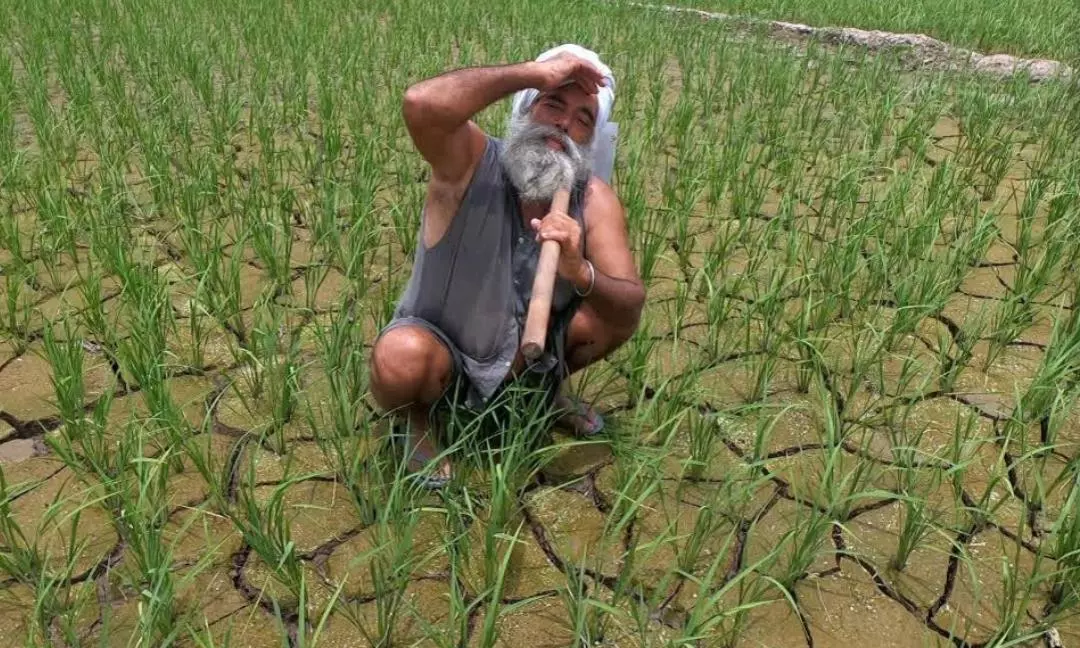
Kurnool: With El Niño expected to disrupt monsoon patterns, agricultural experts and officials have advised farmers across Rayalaseema to refrain from growing water-intensive crops and opt for drought-resilient alternatives this Kharif season.
According to scientists from Acharya N.G. Ranga Agricultural University and the Regional Agricultural Research Station (RARS) in Nandyal, this year’s agro-climatic conditions are likely to be significantly different from normal. The India Meteorological Department too has projected below-normal rainfall during the 2026 southwest monsoon.
Officials have cautioned that crops requiring high water consumption, such as banana, paddy, and turmeric may face severe stress due to anticipated rainfall deficits and rising temperatures. “Only a well-planned, technically guided strategy can help mitigate potential losses,” said Dr. Ashok Kumar, scientist at RARS, Nandyal.
Onion cultivation spans nearly 90,000 acres in Kurnool, Nandyal, and Kadapa districts. Experts are advising farmers to scale back onions significantly this year. “Nandyal’s conditions are not favourable for onions this year,” said A. Nagaraju, Horticulture officer, pointing out, “If borewells dry up, farmers could lose their entire crop.”
Farmers on the ground are already feeling the strain. R. Balamaddileti, a farmer from Pattikonda constituency, shared his distress: “I cultivated onion on six acres. The borewells we depended on have dried up. Even after drilling two new borewells, we found no water. I don’t know how to save my crop.”
Scientists warn that key crops like groundnut, cotton, and paddy are especially vulnerable during critical growth stages, such as flowering and grain filling, where moisture stress can significantly reduce yields.
Scarce water in tanks, depletion of groundwater, and poor recharge levels have compounded the crisis. Experts are recommending a shift toward low-water crops such as millets, pulses, and oilseeds. They also stress the importance of water conservation measures like farm ponds and micro-irrigation systems.
“Efficient water management is crucial this season. Farmers should adopt soil testing-based fertiliser application. They must use urea and potash sprays during dry spells to sustain crop health,” Dr. Ashok Kumar suggested.
Authorities are also encouraging the use of organic inputs like farmyard manure and crop residues to improve soil moisture retention.
Officials emphasise that with El Niño casting a long shadow over the upcoming monsoon, timely awareness and adaptive farming practices will be key to safeguarding livelihoods in the drought-prone Rayalaseema region.
