RARS Promotes Floriculture in Agency Areas, Saffron Cultivation Proposed

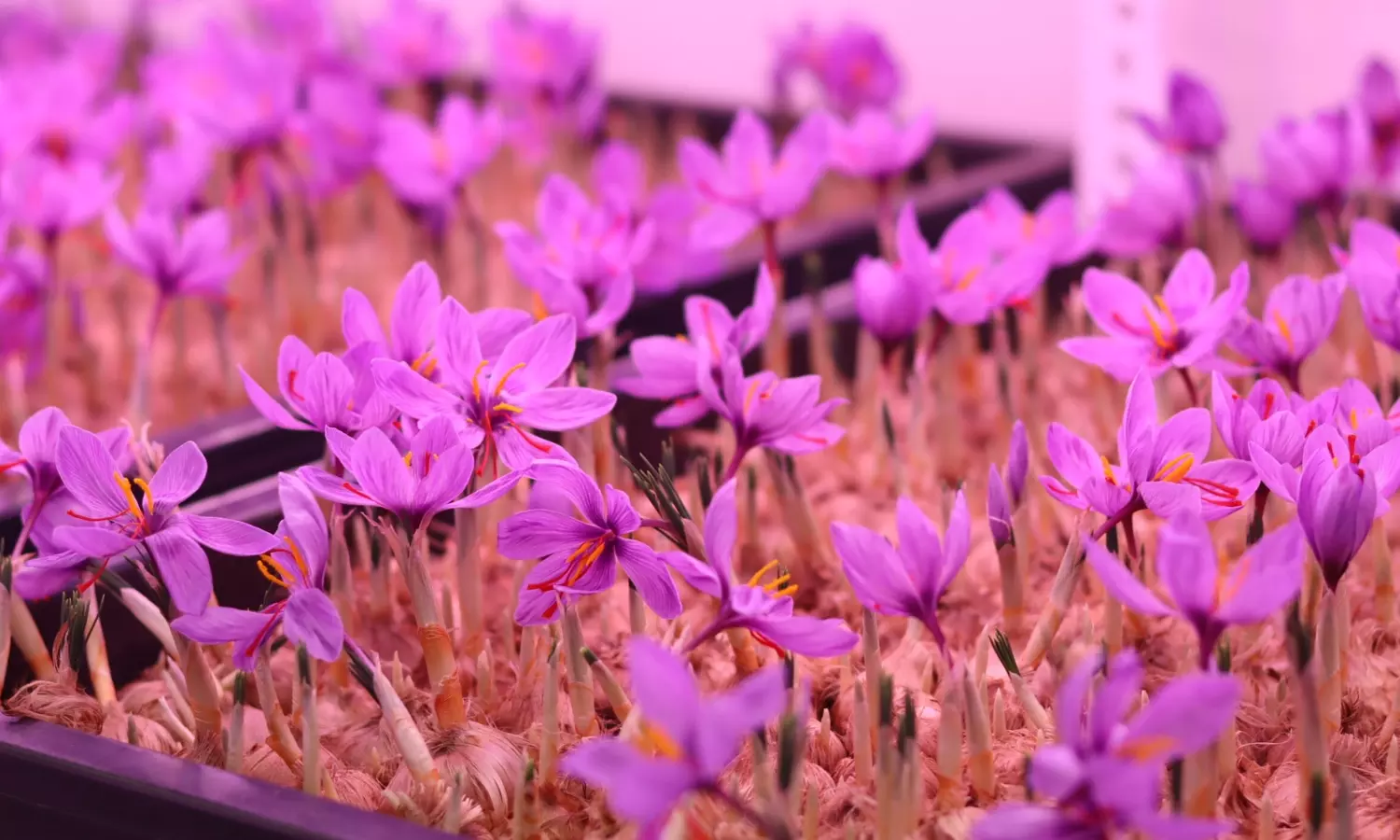
Saffron cultivation was also successful under protected conditions such as glasshouses and shade nets
Visakhapatnam: The Regional Agricultural Research Station (RARS) is encouraging tribal farmers and private entrepreneurs to take up commercial floriculture in the Agency areas of Alluri Sitarama Raju and Parvathipuram Manyam districts.
A private entrepreneur has proposed to cultivate saffron on 30 acres in Chintapalli in the first phase, with plans to expand the area to 3,000 acres over the next decade.
Regional director of RARS, Adilaxmi Devi, said farmers in the Agency region have traditionally cultivated crops such as paddy, maize, groundnut, rajma and niger, besides horticultural crops including turmeric, ginger, pepper and coffee. She said excessive rainfall has affected crop yields, prompting the research station to explore alternative high-value crops.
RARS, she said, had conducted trials on several flower crops, including saffron, gladiolus, tuberose, marigold, China aster, lilium, gerbera, chrysanthemum, tulip and hyacinth. The trials were successful for all except chrysanthemum, tulip and hyacinth.
Saffron cultivation was also successful under protected conditions such as glasshouses and shade nets. However, plants grown in open fields did not flower and yielded no saffron because of poor establishment.
Vijayawada-based entrepreneur, Choppavarapu Satyanarayana, under the brand Red Gold Bharat, has submitted a proposal to the Alluri Sitarama Raju district administration to take up saffron cultivation on a commercial scale.
Satyanarayana said the administration had sanctioned 30 acres for the project, with plans to expand cultivation to 300 acres within two years and 3,000 acres over the next 10 years. The company also has projects in Tamil Nadu, Karnataka and Kerala, with 75 per cent of the produce proposed for export to markets including the US, Australia and the Middle East.
He said saffron commands a premium price in domestic and international markets and suggested that farmers could consider saffron cultivation as a high-value alternative to illicit crops.
