Pawan’s Call To Adopt Best Practices From Tamil Nadu, Kerala

The Deputy CM had directed the fisheries department officials to study the scope for creating similar facilities in Andhra Pradesh by adopting best practices from Tamil Nadu and Kerala
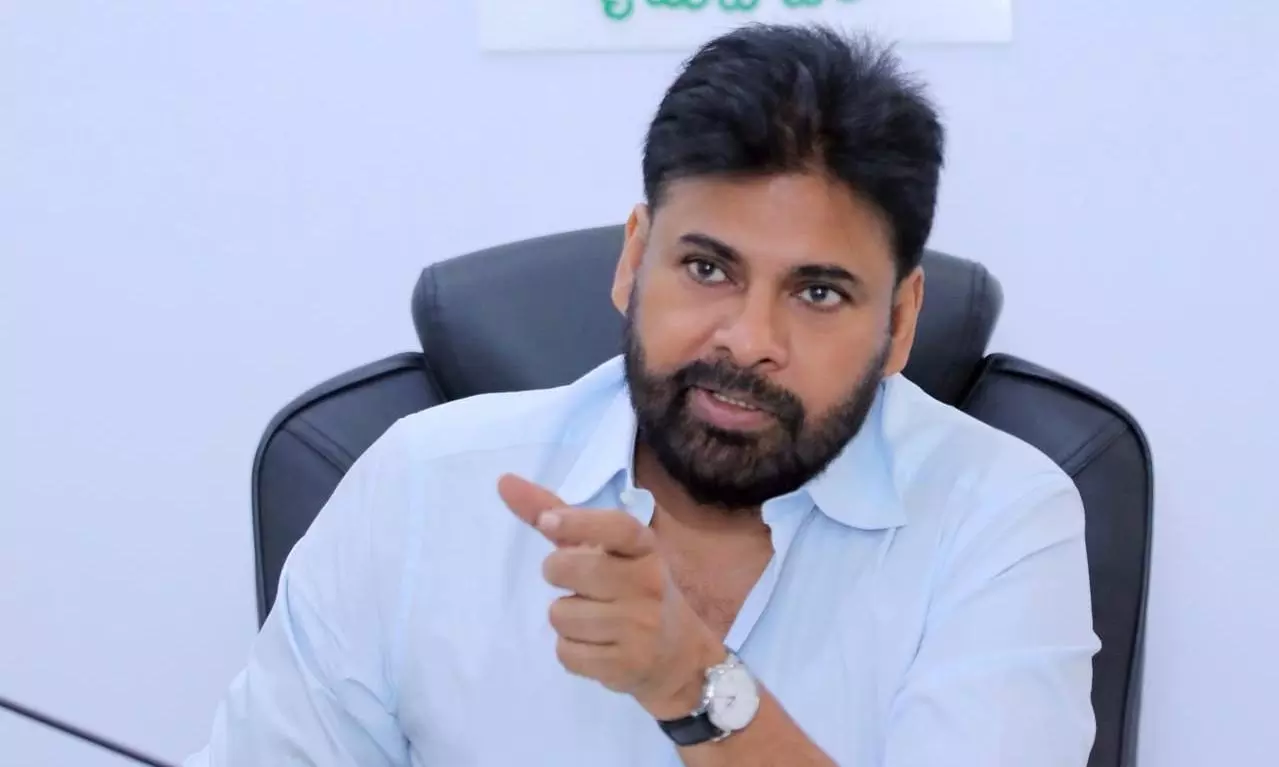
VIJAYAWADA: As part of the AP government’s 100-day action plan to improve coastal livelihoods, a week-long study-cum-training programme for fisherfolk from Uppada was held in Tamil Nadu and Kerala.
The initiative, at the behest of Deputy Chief Minister K. Pawan Kalyan, aims to harness marine resources for sustainable economic development through modern, technology-enabled and profitable fishing practices.
Pawan said a total of 60 fisherfolk from the Uppada and Kakinada coastal belt were deputed in two batches to the two southern states on December 8. The objective was to expose them to advanced methods, infrastructure and marketing systems that could be replicated back home.
The Deputy CM had directed the fisheries department officials to study the scope for creating similar facilities in Andhra Pradesh by adopting best practices from Tamil Nadu and Kerala.
In Tamil Nadu, the first batch underwent training at the central salt and marine chemicals research institute (CSMCRI) near Mandapam. Marine experts provided hands-on sessions on cage culture and reef culture, using both artificial and natural methods, while also emphasising biodiversity conservation and scientific approaches for long-term protection of marine resources.
The team later visited the golden marine harvest hatchery at Villupuram to study new technologies in fish seed production. They also toured a modern fish market near Chennai’s Marina Beach, where they learned about hygienic fish handling, cold storage, grading, auction systems, waste management and efficient supply chains.
The exposure highlighted how modern infrastructure can significantly enhance fishermen’s incomes.
The second batch travelled to Kerala, where they received three days of intensive training under experts of the national institute of post- harvest technology. The programme focused on integrating technology in fishing operations, ensuring sustainable incomes and adopting economically viable models.
The team visited the model fishing harbour at Munambam to study advanced net-making processes, quality standards and marketing practices. They also observed fish egg incubation techniques and hatcheries producing multiple fish varieties.
Officials said the training gave Uppada’s coastal fisherfolk a first-hand exposure to advanced systems that have improved living standards elsewhere. The week-long programme concluded successfully and would boost productivity and incomes back home, it was claimed.
