OMCs Draw Flak; Poor Maintenance Of Underground Fuel Tanks

In the rainy season, rain water seeps into underground fuel tanks through leaks developed in the seals. This results in water getting mixed with ethanol (20%) blended petrol.
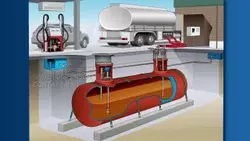
Vijayawada: Oil marketing companies including HPCL, BPCL and IOCL are drawing flak for their poor maintenance of underground fuel tanks especially during the rainy season.
This is resulting in motorists getting water or mud in the fuel tanks of their vehicles and resultant stoppage of their engines.
As per norms, it is mandatory on the part of OMCs for proper maintenance of underground fuel tanks to dispense fuel without impurities, as also cleaning of the dispensing units and the toilets.
Oil industry experts say that the underground tanks having their capacity ranging from 8,000 to 45,000 litres will be having caps fitted with gaskets to seal them. They are also having pipeline connections for monitoring the fuel level and impurities through automation. All such connections get sealed with gaskets. However, in due course of time, the gaskets fail and seals develop leaks.
In the rainy season, rain water seeps into underground fuel tanks through leaks developed in the seals. This results in water getting mixed with ethanol (20%) blended petrol. The density of water has to be 1000 per cent, ethanol nearly 820 per cent and petrol at around 720 per cent.
During the dispensing of fuel, water gets sucked by dint of its high density initially, followed by ethanol and petrol. Moreover, when water gets mixed with ethanol, it forms into a substance like mud.
Workers at the fuel stations, unaware of all such chemical reactions taking place in the underground fuel tanks, dispense water or mud instead of petrol.
Though the automation system will detect the fuel level and chemical reaction in the underground fuel tanks, they are rarely accessed by the workers.
The motorists who get water or mud, along with fuel in the vehicles’ tanks will make a hue and cry and pick up arguments with the workers, forcing the petroleum traders to bear the cost of repair of the vehicles.
The oil industry experts say that the engine of the vehicle gets seized when impure oil is filled in the vehicle’s tank and it involves huge cost to get them repaired.
General secretary of the AP federation of petroleum traders, P Ravi Kumar, said, “As we are entering the monsoon season, this is the right time for OMCs to see that the underground fuel tanks are properly sealed in the fuel stations, wherever such problems exist in the state, for the benefit of motorists, petroleum traders and even for themselves.”
On the other hand, motorists complain about having trouble getting proper mileage after using ethanol (20%) blended petrol in their vehicles. If they intend to use premium petrol, it would cost an extra `10 per litre, but it gives relatively better mileage and good pickup.
But, premium petrol is available only in fuel stations in urban areas and along national highways; not in rural areas.
Infographics:
AP has nearly 5,000 fuel stations.
Underground fuel tank capacity ranges from 8,000 to 45,000 litre.
Fuel stations aged six to seven years develop trouble of seepage of rainwater into their tanks due to gaps in the seals and broken gaskets.
Though it is mandatory for OMCs to maintain toilets in fuel stations, they hardly care for their maintenance.
