Odisha Expands Reservation In Higher Education, Brings OBSC Into Quota Fold
The decision was approved at a Cabinet meeting chaired by Chief Minister Mohan Charan Majhi on Saturday evening: Reports
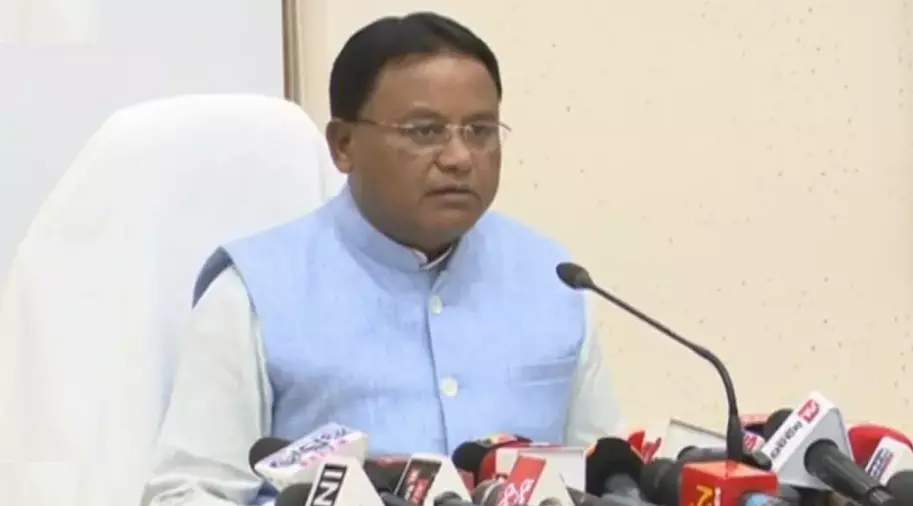
BHUBANESWAR: In a significant policy shift aimed at aligning affirmative action with demographic realities, the Odisha government has enhanced reservation for Scheduled Castes (SC) and Scheduled Tribes (ST) while introducing, for the first time, a quota for Other Backward Classes (OBCs)—officially termed Socially and Economically Backward Classes (SEBCs)—in higher education.
The decision was approved at a Cabinet meeting chaired by Chief Minister Mohan Charan Majhi on Saturday evening.
Under the revised framework, reservation for Scheduled Tribes has been nearly doubled—from 12 per cent to 22.5 per cent—bringing it closer to their share in Odisha’s population. Similarly, the quota for Scheduled Castes has been increased from 8 per cent to 16.25 per cent.
In a notable addition, SEBCs will now receive 11.25 per cent reservation in admissions to professional courses, marking their formal inclusion in the state’s higher education quota system.
The new reservation structure will be implemented across a wide spectrum of institutions, including state universities, affiliated colleges, Industrial Training Institutes (ITIs), and polytechnics. It will cover a broad range of disciplines such as engineering, medicine, management, and computer applications, extending to both undergraduate and postgraduate programmes as well as other notified courses.
Explaining the rationale behind the move, Majhi pointed out that Scheduled Tribes constitute over 22 per cent of Odisha’s population, yet their reservation had remained stagnant at 12 per cent for years. “The revision ensures that reservation reflects population proportions and promotes equitable access to education,” he said.
The decision is expected to have far-reaching implications for access to professional education in the state, particularly for historically underrepresented communities. By recalibrating quotas and bringing SEBCs into the fold, the government aims to broaden inclusion and create a more balanced academic landscape.
