NSTR to Get More Base Camps, Drones and Camera Traps

The measures are to be taken up within six to eight months, with a focus on improving surveillance, protecting wildlife corridors and strengthening the skills of field personnel.
Vijayawada:A five-member high-level committee has recommended a series of immediate measures to strengthen tiger protection in the Nagarjunasagar-Srisailam Tiger Reserve (NSTR), including increasing base camps from 100 to 125, deploying more drones and camera traps, strengthening wireless connectivity and conducting a security audit.
The measures are to be taken up within six to eight months, with a focus on improving surveillance, protecting wildlife corridors and strengthening the skills of field personnel.
The committee asked NSTR field director R. Yasoda Bai to increase the number of base camps to 125, with four watchers at each camp, and reorganise them for more effective wildlife protection.
Each base camp will have a resource map showing water bodies, streams, cart tracks and foot tracks frequently used by wildlife. The committee directed officials to update these maps where necessary and maintain close surveillance of animal movement.
The panel also recommended strengthening the telecommunications network in the reserve, where poor connectivity is affecting communication among forest personnel. A security audit has also been proposed to identify vulnerabilities and prevent illegal activities.
The committee called for regular skill-upgradation programmes for field staff, noting that such training is currently more often provided to senior officers.
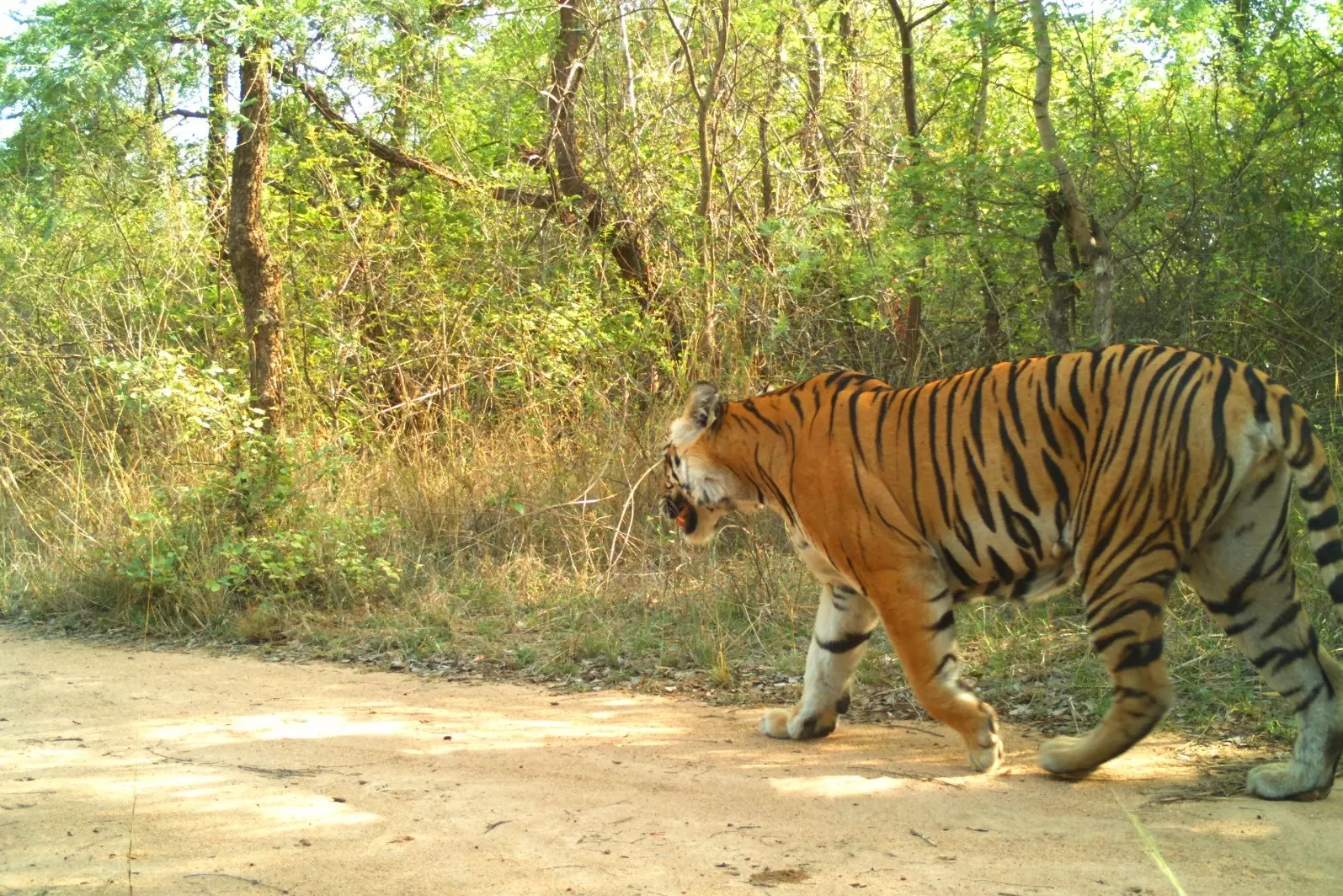
More drones have been recommended for aerial surveys and surveillance of suspected poachers and smugglers. The committee also called for additional camera traps in tiger corridors spread across nearly 5,000 sq km.
The NSTR already has around 1,500 to 1,600 camera traps, which are periodically shifted among three blocks to monitor wildlife movement and detect illegal activity.
The committee advised NSTR authorities to meet the cost of developing infrastructure for the 25 additional base camps and other works from the Tiger Conservation Foundation, established under the Wildlife (Protection) Act, 1972.
Additional principal chief conservator of forests and committee member-convenor Rahul Pandey said the recommendations were aimed at immediately strengthening wildlife protection.
“We have recommended that NSTR initiate certain short-term measures, including reorganising and enhancing the number of base camps, to improve safety for wildlife,” he said.
The committee is expected to visit NSTR towards the end of August to review implementation of the recommendations and submit its final report within two months.
